
A refused ESTA can derail a trip in seconds, so understanding why applications fail and what a refusal means for your authorization is essential. This 2026 guide to ESTA refusal reasons validity explains the most common grounds for denial, clarifies that a refused application carries no validity at all, and shows exactly what to do next. Furthermore, it covers how to avoid the simple mistakes that trigger most rejections in the first place. Indeed, the majority of denials stem from avoidable data errors rather than genuine ineligibility, so knowing the ESTA refusal reasons validity rules in advance can save both your trip and your money.
What does a refused ESTA mean for validity?
When it comes to ESTA refusal reasons validity, the key fact is that a refused application has zero validity: you receive no authorization, no two-year window, and no right to board, even though the 40 USD processing fee is still charged. Therefore, a refusal is not a temporary status you can travel on. Instead, you must either correct and reapply or pursue a US visa. Our denied ESTA guide walks through the immediate next steps in detail.
The most common ESTA refusal reasons
The leading ESTA refusal reasons validity issues include a previous US immigration violation, a criminal record, prior visa refusals, travel to restricted countries, and simple data errors that conflict with passport records. Indeed, even an honest typo can cause a denial. Consequently, accuracy matters enormously. Our common rejection reasons guide lists each trigger, while the criminal record disclosure guide explains how offenses are assessed.
| Refusal reason | Typical fix |
|---|---|
| Data or passport error | Correct and reapply |
| Criminal record | Apply for a B-2 visa |
| Prior overstay | Apply for a visa, disclose history |
| Restricted-country travel | Visa required (VWP excluded) |
| Previous visa refusal | Apply for a visa |

Does travel to restricted countries affect eligibility?
Among ESTA refusal reasons validity factors, travel to certain restricted countries since 2011, such as Iran, Iraq, Syria, Sudan, North Korea, or Cuba, removes Visa Waiver Program eligibility and leads to refusal. Therefore, affected travelers must apply for a visa instead. Moreover, this rule applies regardless of the purpose of that earlier travel. The rejection reasons guide details the full restricted-country list and exemptions.
How a criminal record affects refusal
A criminal record is one of the more serious ESTA refusal reasons validity concerns, because certain offenses make a traveler ineligible for the Visa Waiver Program and require a visa with an in-person interview. However, not every minor offense triggers a refusal. Consequently, honest disclosure on the application is critical. Our criminal record and DUI guide explains which offenses matter and how to answer the eligibility questions truthfully.
Data errors and name mismatches
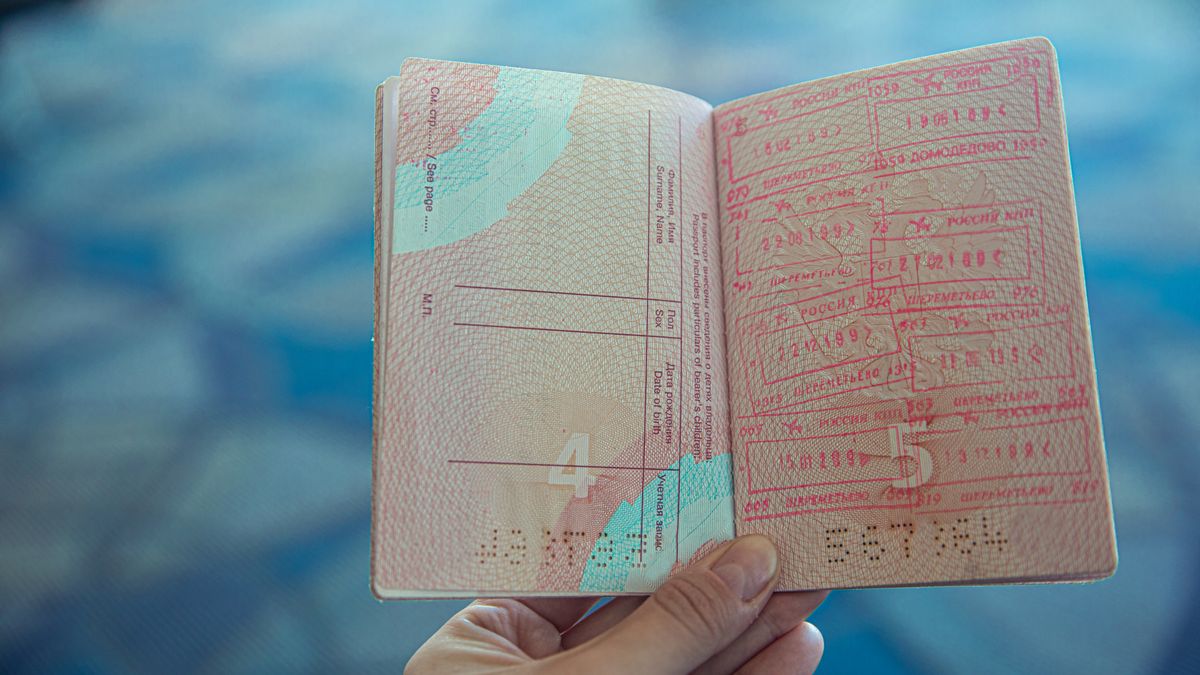
Many ESTA refusal reasons validity problems are entirely avoidable, since mistyped passport numbers, wrong dates of birth, and name mismatches are among the most frequent causes of an unexpected denial. Therefore, check every field against the passport before paying. Indeed, a single transposed digit can cause rejection. Our name mismatch fix guide shows when an error can be corrected, and the application guide highlights the fields people get wrong.
What to do after a refusal
After encountering ESTA refusal reasons validity issues, your options are to fix a data error and reapply, or, if you are genuinely ineligible, to apply for a B-2 visitor visa at a US embassy or consulate. Furthermore, you should never travel without a valid authorization. Consequently, plan extra time, because visa appointments can take weeks. Compare the routes in our ESTA versus B1/B2 visa guide.

Can you reapply after a refusal?
Yes, depending on the ESTA refusal reasons validity cause, you may reapply if the denial resulted from a correctable error, although you must pay the 40 USD fee again and wait for a fresh decision. However, if you are ineligible by law, reapplying will fail again. Therefore, identify the true cause first. In practice, correctable errors include typos and outdated passport details, whereas eligibility bars such as a serious criminal record or restricted-country travel cannot be fixed by reapplying. Consequently, matching your response to the actual cause prevents wasting a second fee. Our rejection guide helps you decide between reapplying and switching to a visa.
How long does a refusal last?
A refusal under the ESTA refusal reasons validity rules has no fixed expiry; it simply means that specific application failed, so a corrected new application or a successful visa can still allow future travel. Indeed, a single refusal does not permanently bar you. Consequently, addressing the underlying cause is what matters far more than the refusal itself. Moreover, once a fresh application is approved, the normal ESTA refusal reasons validity logic no longer applies and you regain a full two-year, multiple-entry authorization. The validity guide explains how a fresh approval restores a two-year window.
How to avoid a refusal
To sidestep common ESTA refusal reasons validity pitfalls, apply early through the official portal, enter every detail exactly as printed in your passport, and answer the eligibility questions honestly and carefully. Moreover, applying at least 72 hours before travel leaves time to react if a problem appears. Therefore, never leave the application to the last minute. The processing time guide and the step-by-step walkthrough reduce the risk of error.

At the border after approval
Even after clearing ESTA refusal reasons validity concerns and being approved, entry is not automatic; a CBP officer makes the final admission decision when verifying your authorization against the passport chip. Therefore, carry supporting travel details such as return tickets and accommodation. Consequently, a confident, honest answer at inspection helps. Indeed, an approved authorization confirms eligibility to travel, but the officer still confirms eligibility to enter. The airport security checklist explains what officers ask and check on arrival, and how to present your documents calmly.
Refusal versus a pending status
A common confusion within ESTA refusal reasons validity questions is the difference between a refusal and a pending status, because a pending application is simply awaiting a decision and is not a denial. Furthermore, a pending result usually resolves within 72 hours, after which it becomes either an approval with full two-year validity or a refusal with none. Therefore, never assume the worst while an application is pending, but never travel on it either. Consequently, wait for the final status before booking non-refundable flights. Our processing time guide explains how long each outcome typically takes and what each status label means in practice.

Real-world example: a correctable refusal
Consider a traveler refused because of a mistyped passport number — this is one of the most fixable ESTA refusal reasons validity scenarios, since the underlying eligibility is intact and only the data was wrong. In practice, the traveler reviews the entry, submits a fresh application with the correct number, pays the 40 USD again, and receives approval within minutes. As a result, the trip proceeds as planned. However, the original fee is not refunded, which is why checking carefully the first time saves money. The name mismatch fix guide shows exactly how to correct such errors.
Frequently asked questions about ESTA refusal and validity
Does a refused ESTA have any validity?
No, a refused ESTA carries no validity whatsoever; you receive no authorization and no right to travel, although the 40 USD processing fee is still charged.
What are the most common reasons an ESTA is refused?
The most common reasons are data or passport errors, a criminal record, prior US immigration violations, previous visa refusals, and travel to restricted countries that voids Visa Waiver Program eligibility.
Can I reapply for an ESTA after a refusal?
Yes, if the refusal was caused by a correctable error you can reapply and pay the fee again; if you are legally ineligible, you must apply for a US visa instead.
How long does an ESTA refusal last?
A refusal has no fixed duration; it applies only to that application, so a corrected new application or a successful visa can still permit future travel.
Will travel to Iran or Cuba cause an ESTA refusal?
Yes, travel to certain restricted countries since 2011 removes Visa Waiver Program eligibility, leading to refusal, so affected travelers must apply for a visa.
Does a minor criminal offense always cause refusal?
No, not every minor offense triggers a denial, but you must answer the eligibility questions honestly, and serious offenses generally require a visa with an interview.
Should I use a third-party site to fix a refusal?
No, always use the official CBP portal; third-party sites add non-refundable fees and cannot change the underlying eligibility rules behind a refusal, so they offer no advantage and often cost you more.
Sources: U.S. Customs and Border Protection — Official ESTA information; Official ESTA application portal (CBP/DHS); U.S. Department of State — Visa Waiver Program; Department of Homeland Security — VWP.
Last updated: 5 June 2026