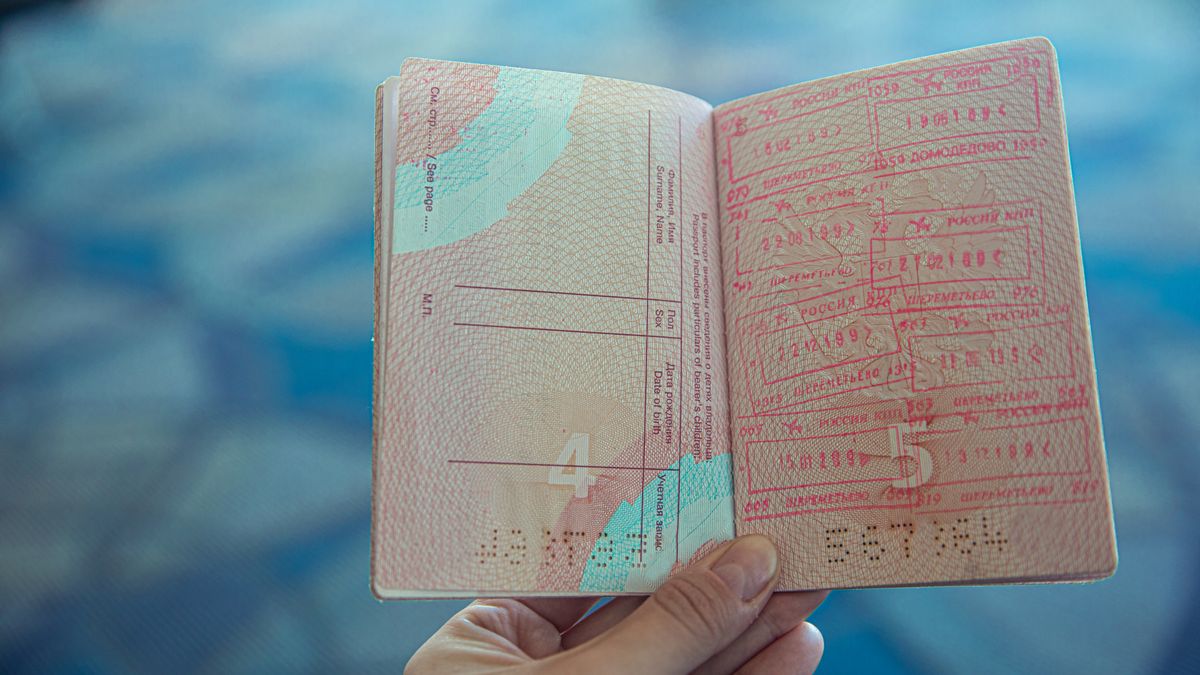
International travelers arriving in the United States with ESTA authorization must navigate comprehensive US airport security procedures involving TSA screening, CBP customs inspection, biometric verification, and extensive questioning about travel purpose and background. Understanding the complete arrival process, security checkpoint requirements, customs declaration procedures, and CBP interview expectations prepares international visitors for smooth airport entry. This comprehensive guide covers every stage of US airport security, explains what security personnel will examine, outlines your rights at the border, provides tips for expedited processing, and addresses common concerns about ESTA verification at checkpoints. First-time visitor or seasoned flyer, the same rules apply: know how US airport security and CBP procedures work, and you’ll clear customs calmly.
Your arrival runs through several agencies in sequence, each with its own checks. Know what each one does and you sidestep delays and entry problems. Preparation cuts the anxiety, too. Arrive informed and organized, and you move through every layer faster.
Overview of US Airport Security and Entry Process
Arrive in America on ESTA and you meet a multi-stage screening system. Each stage has a specific job. Learn the order and what each one asks for, and the whole entry flows. A little mental prep for each layer takes out the stress and guesswork.
The complete US airport security process involves:
- Pre-arrival: ESTA verification begins before you board flights to the USA
- Flight arrival: Initial document inspection upon disembarking
- CBP primary inspection: First customs interview and passport verification
- Biometric scanning: Fingerprint and facial recognition verification
- CBP secondary inspection: Detailed questioning if flagged for additional screening
- Baggage collection: Recovery of checked luggage with possible inspection
- Agriculture/customs: Declaration and final customs clearance
- TSA screening: Relevant for connecting flights only
Start to finish, expect 30 minutes to 2 hours, depending on how busy the airport is and your own circumstances. ESTA arrivals usually move faster than visa holders, who face longer interviews. Picture each stage in advance and nothing catches you off guard. You simply know what’s coming.
ESTA Verification at Check-in and Boarding
Screening actually starts before you land, right at check-in for your US-bound flight. Airlines confirm your authorization before they let you board. That first check catches any problem while you’re still at the departure airport, where it can still be fixed.
During check-in, airline staff will:
- Scan your passport and verify it matches your flight reservation
- Check that your passport is valid for the duration of your US stay (minimum 6 months validity recommended)
- Verify that your ESTA status in CBP databases is active and valid
- Confirm your passport matches the ESTA authorization you provided during application
- Check for any travel warnings or watch list flagging associated with your identity
So make sure your application and passport details line up exactly. Even small mismatches between the two can get you turned away at the gate. Check that the approval email reads “Status: Approved” before you travel. Fix problems before departure and you won’t lose a flight, or the money spent on it.

CBP Primary Inspection: Your First Customs Interview
Once you land, you head to CBP primary inspection—the first official checkpoint. This is your first face-to-face with US customs officers. The questioning is short but it matters. Know what the officer can do and what your rights are, and you avoid needless trouble.
Primary inspection typically includes:
Document Review: The officer checks your passport, ESTA approval, flight details, and boarding passes. They also match your face to your passport photo. Your authorization shows up in their database instantly, right there on screen. A genuine approval settles any question about your status on the spot.
Standard Questioning: CBP officers ask consistent questions to all arriving passengers:
- “What is the purpose of your visit?” (tourism, business, visiting family)
- “Where will you be staying?” (hotel name, address, or friend/family contact)
- “How long will you be in the United States?” (duration of stay)
- “Do you have any fruits, vegetables, meats, or plants with you?” (agricultural screening)
- “Have you been arrested or convicted of any crimes?” (criminal background screening)
- “Are you carrying more than $10,000 in currency or instruments?” (currency declaration)
- “Have you been to any countries other than your home country?” (travel history)
Have short, factual answers ready. Keep them consistent with what you filed and what your documents show. Officers are trained to spot contradictions and evasion. Stay honest and consistent, and the conversation won’t escalate to secondary inspection.
Decision Point: Following primary inspection, CBP officers make one of three determinations:
- Release: Clear you to head to baggage collection and exit (typical outcome for ESTA travelers, ~85%)
- Secondary Inspection: Refer you for additional questioning and document review (~12%)
- Detention: Hold you for extended investigation or potential deportation (~3% for ESTA travelers, higher for visa holders)
ESTA arrivals are pulled for secondary inspection far less often than visa applicants. The upfront vetting does its job. In effect, the program pre-screens you before you even fly. Most people walk straight from primary inspection to baggage claim.
Biometric Scanning and Facial Recognition at Entry
Every international arrival now goes through mandatory biometric checks. That means fingerprints and facial recognition. The captured data is matched against watch lists and your past US entries. The tech confirms who you are and flags anyone using more than one identity.
Fingerprint scanning procedures:
- CBP officers request your cooperation with fingerprint scanning at primary inspection
- You place both index fingers on a scanning device—this takes approximately 10 seconds
- Your fingerprints are checked against FBI criminal databases and prior US entry records
- CBP systems verify that your fingerprints match your identity claims
- Biometric matches display instantly to CBP officers on their computer systems
Let the scanner get a clean read—if it flags a blurry print, you’ll simply scan again. Scars or calluses might need a quick word of explanation, but they’re nothing to worry about. The whole thing is routine and over in seconds.
Facial recognition procedures:
- CBP captures your facial image using high-resolution cameras at primary inspection
- Images are compared against your application photo and prior US entry records
- CBP also cross-references your image against international intelligence databases
- Facial recognition matches display to CBP officers for comparison
- Significant facial changes (heavy beards, plastic surgery) may require additional explanation
Try to look reasonably like your application photo. Big changes—major weight loss, extensive surgery—might need a brief explanation, but they won’t keep you out. Keep a neutral face at the camera; an exaggerated expression may not match the photo on file. Used this way, the technology confirms identity and catches fraudulent applications.
CBP Secondary Inspection for Selected Travelers
About 12% of ESTA arrivals get referred to CBP secondary inspection—a closer look with more questions and document review. Being sent there isn’t a punishment; plenty of routine things set it off. Knowing how it works takes the edge off if it happens to you. So prepare for the possibility before you land.
Common reasons for secondary inspection referral include:
- Inconsistencies between ESTA application and primary inspection answers
- Travel history to countries of concern (though most legitimate travelers are cleared)
- Name matches with watch lists (common even with unrelated individuals)
- First-time visitor from certain nationalities (routine screening protocols)
- Previous visa denials or entry problems (even from years past)
- Insufficient primary inspection answers requiring clarification
- Baggage inspection needs based on customs risk algorithms
- Random selection (genuine randomness occurs for ~2-3% of arrivals)
A referral rarely signals a serious problem. Most cases clear within 30–60 minutes. The officers there are trained professionals and usually act like it. Stay calm and cooperative, and it wraps up quickly.
Secondary inspection procedures include:
- Detailed questioning about travel purpose, accommodation, employment, and background
- Review of supporting documentation (hotel confirmations, business cards, employment letters)
- Possible baggage examination including contents inspection
- Questioning about specific ESTA application answers requiring clarification
- Check of electronic devices (CBP may request passwords to examine phones/computers)
- Interview conducted privately in secondary inspection areas
Come prepared with backup: hotel confirmations, meeting details, an employment letter, family contacts, and financial proof if you need it. Officers are hunting for real threats—crime, human trafficking, drug smuggling, national security risks—so ordinary tourism rarely draws scrutiny. How you carry yourself counts, too: calm, polite, honest, cooperative. Plain honesty usually gets you cleared fast.
Your rights during secondary inspection include:
- Right to know why you’re being questioned (CBP must provide general reason)
- Right to speak your native language with an interpreter (though you’ll often prefer English)
- Right to refuse electronic device searches unless specific legal authority exists (though refusal may prevent entry)
- Right to consult with an attorney (though CBP often discourages this)
- Right to clear entry denial information after entry problems (appeal procedures available)
CBP’s power to question and search at the border is broad—wider than most travelers expect. Your best move is to cooperate within your rights. Calling an attorney often drags the inspection out without changing the outcome. Weigh your rights against simply getting through.
Baggage Collection and Customs Declaration
Once CBP clears you—primary or secondary—you head to the baggage hall for your checked bags. This part is usually simple. Most people hit no snags at all. It’s often the easiest stage of the whole arrival.
Baggage claim procedures:
- Follow signage to baggage claim areas for your flight
- Locate your baggage on the carousel—verify it’s yours before removing it
- Check for TSA or CBP inspection tags indicating baggage examination
- If baggage was inspected, verify nothing is damaged and contents appear secure
- If baggage is missing, contact the airline immediately at the baggage office
Report damaged or missing bags to the airline. Most carriers pay compensation for loss or damage. Baggage trouble almost never affects your entry itself. Sort it out after you’ve cleared customs.
Customs Declaration and Agricultural Screening: Before you leave the terminal, you must complete a customs declaration. There are two ways through:
- Red Channel (goods to declare): If carrying prohibited items or goods exceeding limits, declare items to customs officers
- Green Channel (nothing to declare): If carrying only personal belongings, proceed directly through green channel
Be honest with yourself about whether your bags need declaring. Officers run random checks even in the green channel. A false declaration lands you in real trouble. Declare anything prohibited or over the limit rather than gamble on a customs violation.
Prohibited items include:
- Fresh fruits, vegetables, meats, dairy products (most agricultural items)
- Plants and seeds (must be declared)
- Currency exceeding $10,000 (must be declared)
- Prescription medications not in original containers (must be declared with proper documentation)
- Weapons, ammunition, and explosives (strictly prohibited)
- Narcotics and controlled substances (strictly prohibited)
- Counterfeit goods and trademarked items
Pack carefully so nothing prohibited slips in. Check what’s allowed before you fly. A truthful declaration keeps you clear of legal problems. Customs compliance is a core part of getting through the border.
TSA Screening for Connecting Flights
Connecting to a domestic flight? You’ll clear TSA (Transportation Security Administration) screening before you board. This is separate from CBP customs. TSA runs its own set of protocols. Know them and you won’t miss the connection.
TSA screening procedures include:
- Removal of shoes, belts, and outerwear
- Placement of laptops and liquids in separate bins for X-ray scanning
- Walking through metal detectors or backscatter X-ray machines
- Possible random pat-down searches
- Inspection of carry-on baggage contents
Pack carry-on liquids—each under 3.4 ounces—in one clear quart-sized bag. Pull your electronics out before you reach the line. Give yourself enough time ahead of the connection. Clear TSA smoothly and you’ll make the flight.
TSA PreCheck and Global Entry benefits:
If you hold Global Entry or TSA PreCheck (US programs for frequently traveling international visitors):
- You can leave shoes, belts, and light jackets on during screening
- Laptops and liquids can remain in your bag
- You access dedicated faster TSA screening lines
- Global Entry also provides expedited CBP customs clearance at entry
Fly to the US often? Global Entry ($100 for 5 years) saves real time. Many airlines even cover the fee for their elite members. It trims 15–30 minutes off every single arrival. For frequent flyers, the math is easy.
Mobile Passport Control and Expedited Entry
At major US airports you can use Mobile Passport Control (MPC), an app that speeds CBP clearance for both ESTA and visa holders. It works at New York, Los Angeles, Miami, and 24+ other hubs. In practice, it can cut a 30-minute wait down to 5. That’s a real shortcut through the arrivals hall.
MPC procedures:
- Download the MPC application before your flight (available on iOS and Android)
- Create an account and scan your passport’s data page
- Upon arrival, complete your customs declaration within the app
- Scan a QR code provided by the app at dedicated MPC kiosks in the airport
- Allow biometric scanning and photo capture at the kiosk
- Receive a receipt and proceed directly to CBP officers or baggage claim
- Present your receipt to CBP and proceed through expedited lanes
Landing at an MPC-equipped airport? Use it. The app is free for everyone. Few things shave wait times as easily. Download it before you fly so it’s ready the moment you land.
Typical Wait Times and Peak Travel Periods
Wait times swing widely by airport, time of day, and season. Knowing the usual patterns lets you plan around them. Pick your travel times well and you dodge much of the hassle. A little timing sense makes the whole arrival easier.
Typical CBP wait times by airport:
- New York (JFK, Newark): 30–90 minutes during peak hours, 10–20 when quiet
- Los Angeles: 45–120 minutes at the busiest times, 15–30 off-peak
- San Francisco: 30–60 minutes when crowded, dropping to 10–15 off-peak
- Miami: 40–100 minutes at peak, 15–25 in quieter hours
- Secondary airports: 15–30 minutes at peak, just 5–10 when quiet
Land at a secondary airport and processing is far quicker. Mid-week arrivals—Tuesday to Thursday—see lighter crowds than weekends. Early mornings and late evenings cut the queues further. Choose your slot well and the whole thing gets smoother.

Your Rights at US Borders and During Questioning
You do have rights when you enter the country, even though CBP’s authority is broad. Knowing them lets you handle questioning with confidence. It also guards against overreach while you stay cooperative. Balance the two and entry goes smoothly.
Your rights at US borders include:
- Right to speak your native language: Request an interpreter if language is a barrier
- Right to know the reason for questioning: CBP must provide general reason for secondary inspection
- Right to legal representation: You can request to contact an attorney (though CBP discourages this)
- Right to refuse device searches: You can decline electronic device searches, though this may prevent entry
- Right to refuse body searches: If conducted, searches must be performed by officers of the same gender
- Right to appeal entry denial: If denied entry, you can request information about appeal procedures
- Right to medical care: If detained for extended periods, CBP must provide reasonable care
Still, CBP’s authority at the border runs deep. Refuse to cooperate and you risk denial or detention. Your legal rights are real but narrower here than elsewhere. The smart approach is cooperation within those rights—honesty and respect usually clear you fast.
Common Concerns and Problem Prevention
Travelers worry about US airport security all the time. Knowing the common concerns—and how to head them off—settles the nerves. Good preparation stops most problems before they start. Plan ahead and your arrival goes smoothly.
Concern: Being denied entry due to ESTA. Solution: Verify your ESTA status is approved before boarding your flight. Contact the ESTA helpline if you have any concerns about your application status.
Concern: CBP questioning about travel purpose. Solution: Prepare clear, honest answers about your travel purpose, accommodation, and plans. Carry supporting documentation (hotel confirmations, business cards, itineraries).
Concern: Secondary inspection and extended questioning. Solution: Understand that secondary inspection is routine for many travelers. Remain calm and cooperative. Bring supporting documentation to facilitate swift clearance.
Concern: Baggage examination or electronic device searches. Solution: Pack your baggage with prohibited items awareness. Don’t carry restricted items. If your electronics are searched, cooperate calmly.
Concern: Missing connecting flights due to long customs lines. Solution: Book connecting flights with sufficient time (minimum 2 hours for international to domestic connections). Use expedited clearance methods (Global Entry, MPC) if available.
Frequently Asked Questions About US Airport Security
How long does US airport security take for ESTA travelers?
CBP processing typically takes 30 minutes to 2 hours depending on airport congestion and individual screening needs. ESTA travelers generally process faster than visa-required travelers. Using Global Entry or MPC can reduce processing to 5–15 minutes.
Will CBP ask about my ESTA application answers?
CBP officers have your ESTA application details and will verify consistency during primary inspection. Significant inconsistencies may trigger secondary inspection. Provide answers consistent with what you filed.
Can CBP deny me entry based on my ESTA application?
Theoretically yes, but this is rare. CBP approved your ESTA application, so significant denial risk is low. However, new information (criminal activity, travel to prohibited countries) discovered during arrival might warrant denial.
Do ESTA travelers need return tickets?
While not officially required, CBP may question whether you have return flights. Carry evidence of your return booking to demonstrate you don’t intend to overstay.
What happens if I refuse to answer CBP questions?
You can legally remain silent, but CBP may deny you entry or detain you for extended questioning. Cooperation is practically necessary for entry approval.
Can CBP search my laptop or phone?
CBP has authority to search electronic devices at borders. You can refuse, but refusal may result in entry denial. Cooperation is typically the practical choice.
What are the consequences of lying to CBP?
Lying to CBP (providing false information) is illegal and can result in criminal charges, entry denial, future ESTA rejection, and immigration consequences. Always be truthful.
Is US airport security the same at all airports?
CBP procedures are standardized, but airports vary in congestion, facilities, and wait times. Major international airports (JFK, LAX, Miami) handle more volume but may have longer waits.
Summary: Navigate US Airport Security Confidently
Grasp the security procedures, the CBP inspection stages, the biometric checks, and your rights, and you’ll arrive in America with confidence. Preparation and honest cooperation get you cleared quickly. Knowing what’s coming takes away the needless worry. Informed travelers simply move through faster.
For additional information about US airport security, visit ESTA requirements, application procedures, and business travel guidance. For the official word, consult CBP travel information, TSA security procedures, and US Department of State for current requirements and procedures. If you’re flying into a participating airport, download the MPC app before arrival for faster clearance.
Related ESTA and USA Travel Guides
For more on ESTA, the Visa Waiver Program, and practical US travel tips, explore these related guides from our library. Each one adds country-specific details, step-by-step walkthroughs, and cost breakdowns to what you’ve read here.
- New Zealand ESTA guide
- Belgian ESTA requirements
- Dutch ESTA guide
- ESTA for US transit
- Taiwanese ESTA information
- Luxembourg ESTA information
- Slovak ESTA guide
- Czech citizens ESTA
Last updated: April 2026. Information verified against official CBP, TSA, and DHS security procedures and requirements.