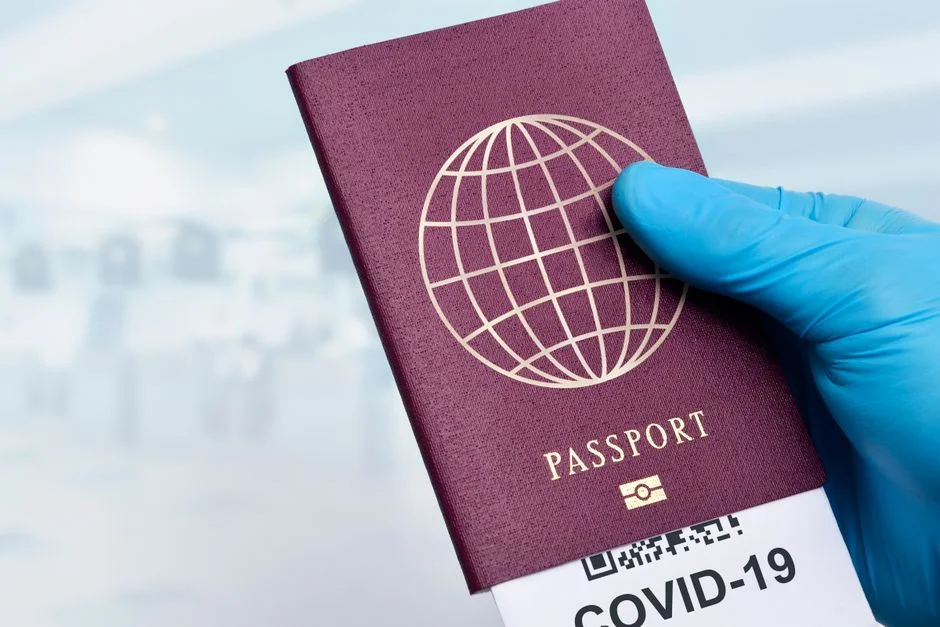
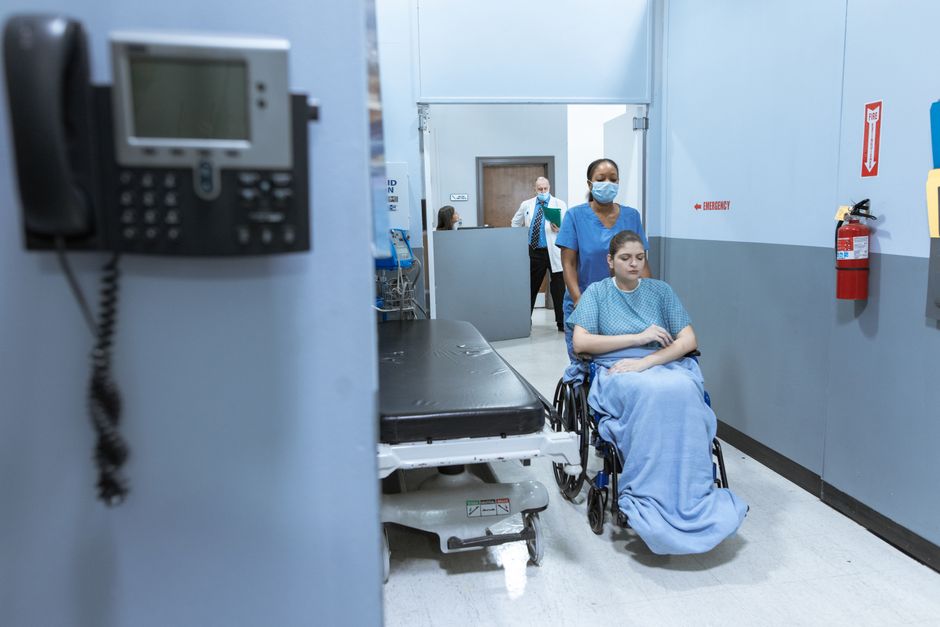
You can use an ESTA for medical treatment in the United States for short-term care, because seeking medical treatment is a recognized visitor purpose under the Visa Waiver Program. The catch is that you must complete treatment and leave within 90 days, prove you can pay, and show ties to home. For lengthy or costly care, a B-2 visa is often the safer route. This guide explains the 2026 rules.
TL;DR: An ESTA covers short medical visits under 90 days, such as a consultation, scan or minor procedure. You must show you can pay, as the Visa Waiver Program includes no health cover, and carry doctors’ letters and a treatment plan. If care will exceed 90 days or be very expensive, apply for a B-2 medical visa instead.
| Quick Facts | Detail (2026) |
|---|---|
| Short medical visits | Allowed on an ESTA |
| Maximum stay | 90 days, no extension |
| Proof of funds | Required |
| Health cover included | None |
| Long or costly treatment | Consider a B-2 visa |
| ESTA fee | $40 |
Medical travel needs careful planning because US healthcare is expensive and uninsured. Read this alongside our travel insurance guide and confirm eligibility in the who needs an ESTA guide.
Can you use an ESTA for medical treatment?

Yes, short-term medical care is a permitted reason to enter the United States as a visitor, so a consultation, diagnostic test or minor procedure that finishes within 90 days can be undertaken on an approved ESTA. You must be a genuine visitor who intends to return home once treatment is complete.
The Visa Waiver Program allows tourism, permitted business and related visitor activities, and medical treatment falls within that visitor scope (US Department of State, Visa Waiver Program, accessed 23 June 2026). However, your authorization does not include any health insurance, so you carry the full cost yourself. Plan finances using our USA travel budget guide.
Pro tip: Tell the border officer plainly that you are visiting for a specific, short treatment and will return home afterwards. Carrying a US clinic appointment letter and proof of funds turns a potentially awkward conversation into a quick, routine entry.
When an ESTA works and when you need a B-2 visa
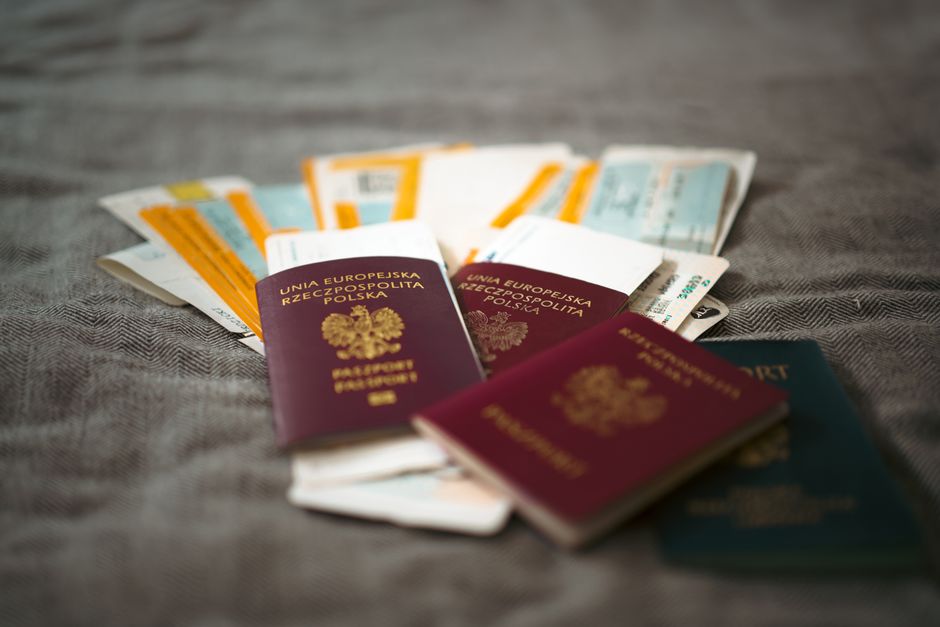
An ESTA works well for brief, clearly defined treatment, but you should apply for a B-2 medical visa when care will run beyond 90 days, involves major surgery, or carries costs large enough that an officer will want detailed proof of funding. The visa lets you document the full medical and financial picture in advance.
A B-2 application allows you to submit a US doctor’s letter, a treatment plan, cost estimates and proof you can pay, which reassures officials (US Department of State, visitor visas, accessed 23 June 2026). Because the Visa Waiver Program offers no extension, anything that might overrun 90 days is safer on a visa. Compare the two routes in our ESTA versus B1/B2 visa guide.
Think honestly about the worst-case timeline rather than the best case. A procedure scheduled for week two leaves little room if a scan reveals you need a second operation, or if recovery is slower than hoped. Once you are inside the country on a visa-free entry, there is no mechanism to add time, and an overstay carries heavy penalties. A B-2 visa, by contrast, can be issued for a longer period and gives an interviewing officer the chance to understand and approve your full medical plan before you ever board the plane. For complex, staged or open-ended treatment, that certainty is usually worth the extra application effort.
ESTA for medical treatment: documents to carry

For a medical visit you should carry letters from both your home doctor and the US clinic, a clear treatment plan, evidence of how you will pay, and proof of strong ties to your home country. Together these show the trip is genuine, short and fully funded, which is exactly what a border officer needs to see.
- Doctor’s letters: bring one from your home physician and an appointment letter from the US provider.
- Treatment plan: carry a short outline of the procedure and the expected dates, well within 90 days.
- Proof of funds: show bank statements, insurance or a cost estimate marked as payable.
- Ties to home: keep evidence of work, family or study that you will return to.
If you are unsure your stay fits 90 days, plan against our 90-day limit guide and the official US visas overview.

Paying for US medical care as a visitor

You are responsible for the full cost of any US medical care, because the Visa Waiver Program provides no health cover and US hospitals can charge far more than systems in other countries. Visitors should arrange comprehensive medical travel insurance or confirm a clear method of payment before they travel.
Many US providers ask for payment or a deposit upfront, and a single procedure can run into thousands of dollars (US Department of State, your health abroad, accessed 23 June 2026). Check whether your policy covers planned treatment, as many exclude it, and keep all receipts. Our ESTA requirements guide covers the wider entry checklist.
It is worth understanding why officers care about payment. If a visitor cannot meet their bills, the cost can fall on the US hospital and ultimately the public, which is something the visa rules are designed to avoid. Demonstrating funds is therefore not bureaucratic suspicion but a core requirement, and the clearer your evidence, the smoother your entry. Ordinary travel insurance frequently excludes pre-planned or elective treatment, so read the small print and, if necessary, buy a specialist medical-travel policy that explicitly covers your procedure. Where insurance will not cover the care, a written confirmation from the provider that the cost has been paid or guaranteed is the strongest document you can carry.
Practical tips for a medical trip on an ESTA
Treat a medical trip like a carefully timed project: book treatment dates with a buffer before your 90-day deadline, line up your documents, secure insurance, and arrange any aftercare you might need back home. Good planning protects both your health and your immigration record.
- Build in buffer time: allow for follow-up appointments and recovery within the 90-day stay.
- Insure properly: confirm cover for planned care using our travel insurance guide.
- Plan aftercare: arrange continuing treatment at home so you are not tempted to overstay.
- Keep records: retain medical reports and receipts for insurers and any future visit.
Coordinate the two sides of your care before you fly. Ask your home doctor to share scans and history with the US provider in advance, so the visit is efficient and you are not paying for repeat tests. Confirm in writing how follow-up results will be sent to you after you return, and whether any prescribed medication is legal to bring home. A short, well-organised medical trip leaves nothing important to chance, and it means your focus on arrival can be on recovery rather than paperwork or unexpected bills.
Frequently Asked Questions
Can I use an ESTA for medical treatment in the USA?
Yes, for short treatment that finishes within 90 days, such as a consultation, scan or minor procedure. You must prove you can pay and intend to return home, as the program includes no health cover.
When should I get a B-2 visa instead?
Choose a B-2 medical visa when treatment may exceed 90 days, involves major surgery, or is very expensive. The visa lets you document the treatment plan, costs and funds in advance for officials.
Does an ESTA include health insurance?
No. The Visa Waiver Program provides no health cover at all. You are responsible for the full cost of care, so comprehensive medical travel insurance or a clear payment plan is essential.
What documents should I bring for medical treatment?
Carry letters from your home doctor and the US clinic, a treatment plan, proof of funds, and evidence of ties to home. These show the trip is genuine, short and fully funded.
How long can I stay for treatment on an ESTA?
Up to 90 days, with no extension. If your treatment and recovery might run longer, apply for a B-2 visa rather than risk an overstay, which can end your visa-free travel.
Can a family member come with me?
Yes, an accompanying relative can travel on their own ESTA as a visitor. They cannot work, and each traveler needs an approved authorization and proof they can support the trip.
Will treatment costs affect future US travel?
Unpaid US medical bills can complicate future applications. Pay what you owe, keep receipts, and ensure you leave within 90 days so your immigration record stays clean for later trips.
Using an ESTA for medical treatment is realistic for short, well-funded care, provided you finish and depart within 90 days, prove you can pay, and carry the right documents. For anything longer or more complex, a B-2 visa gives you room to plan. Arrange insurance, gather your letters, and be honest at the border, and your medical trip can proceed smoothly and lawfully.
Last updated: 2026-06-23 — verified against travel.state.gov guidance.