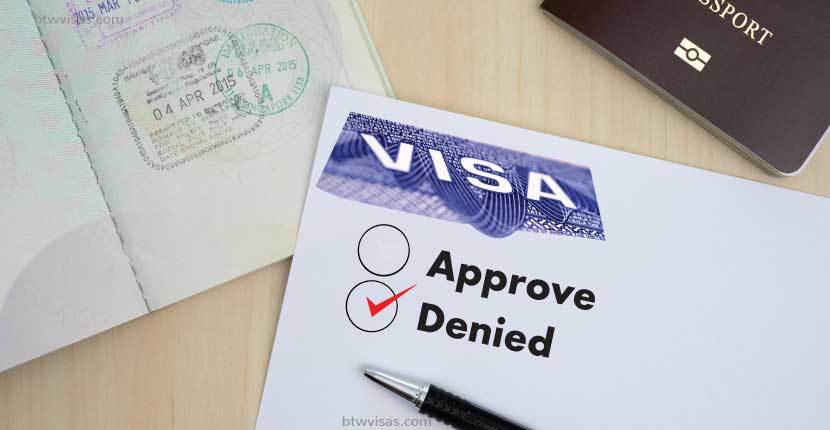
If your ESTA application has been denied, don’t panic — there are clear next steps you can take. An ESTA denial means you cannot travel to the United States under the Visa Waiver Program, but it does NOT mean you can never visit the US. This guide explains why ESTA applications get denied, what to do next, and how to still make your US trip happen in 2026.
ESTA denials are more common than many travelers expect. The key is understanding the common reasons for refusal and knowing your options. Most denied applicants can still visit the US by applying for a B1/B2 visa at a US Embassy.
Top Reasons for ESTA Denial in 2026
| Reason | Frequency | Can You Fix It? |
|---|---|---|
| Travel to restricted countries (Iran, Iraq, North Korea, etc.) | Very common | No — must apply for visa |
| Previous visa denial or overstay | Common | No — must apply for visa |
| Criminal record | Common | No — must apply for visa |
| Incorrect passport information | Common | Yes — reapply with correct info |
| Dual citizenship with restricted country | Moderate | No — must apply for visa |
| Health-related inadmissibility | Rare | Depends on condition |
| Previous deportation | Rare | No — requires waiver |
What to Do When ESTA Is Denied

Step 1: Don’t Reapply Immediately
Reapplying with the same information will result in another denial and you’ll lose another $10.27. First, understand WHY you were denied. The ESTA system does not provide detailed denial reasons, but review the eligibility questions you answered.
Step 2: Check If It Was a Simple Error
If you made a typo in your passport number, name, or date of birth, wait 10 days and reapply with the correct information. This is the ONLY situation where reapplying makes sense.
Step 3: Apply for a US Visa (B1/B2)
For most denials, the next step is applying for a B1/B2 US visa at your nearest US Embassy or Consulate. This involves:
- Completing the DS-160 online form
- Paying the $185 visa fee
- Scheduling an interview at the US Embassy
- Attending the in-person interview
Step 4: Prepare for the Visa Interview
At the interview, be prepared to explain your ESTA denial and provide documentation addressing the concern. Read our visa interview tips for preparation advice.
How to Apply for a US Visa After ESTA Denial
If your ESTA application has been denied, the next step for most travelers is to apply for a B-1/B-2 nonimmigrant visa at a US Embassy or Consulate in their home country. This process is more involved than the ESTA application but provides an opportunity to present your case directly to a consular officer.
The B-1/B-2 visa application requires completing Form DS-160 online, paying a non-refundable application fee (currently $185), and attending an in-person interview at the nearest US Embassy or Consulate. During the interview, you will need to demonstrate strong ties to your home country, sufficient financial resources for your trip, and a clear intent to return after your visit.
When preparing for your visa interview after an ESTA denial, honesty is absolutely critical. The consular officer will have access to your ESTA denial records and any previous immigration history. Attempting to conceal the denial or providing inconsistent information will almost certainly result in a visa denial as well. Instead, be prepared to explain the circumstances that led to your ESTA denial and provide documentation that addresses the specific concern.
Common documents to bring to your visa interview include proof of employment, bank statements showing financial stability, property ownership documents, family ties in your home country, a detailed travel itinerary, hotel reservations, and return flight bookings. The more evidence you can provide of your intent to return home, the stronger your application will be.
Common Mistakes That Lead to ESTA Denial

Many ESTA denials are the result of avoidable errors during the application process. Understanding these common mistakes can help future applicants improve their chances of approval, and may provide insight into why a previous application was denied.
One of the most frequent causes of denial is providing incorrect passport information. Even a single digit error in your passport number, or a misspelling of your name as it appears in your passport, can trigger an automatic denial. Always double-check every field against your physical passport before submitting your application.
Another common mistake is answering the eligibility questions incorrectly or carelessly. The ESTA application includes questions about criminal history, previous visa denials, communicable diseases, and intentions regarding work or overstaying. Some applicants misunderstand these questions due to language barriers and accidentally answer “yes” to disqualifying questions. Read each question carefully and consider using your browser’s translation function if needed.
Travelers who have visited Iran, Iraq, Libya, North Korea, Somalia, Sudan, Syria, or Yemen since 2011 may find their ESTA denied under the travel restriction provisions. If you have traveled to any of these countries, even for legitimate tourism or journalism purposes, you will likely need to apply for a visa instead. This restriction also applies to dual nationals of these countries, regardless of which passport they use to apply.
Finally, applying too close to your departure date is risky. While most ESTA applications are processed within 72 hours, some require additional review that can take weeks. Apply at least two weeks before your planned travel date to allow time for processing and, if necessary, to pursue alternative arrangements.
Can You Reapply for ESTA After Being Denied?

Technically, there is no waiting period to reapply for ESTA after a denial. However, reapplying immediately without addressing the underlying cause of the denial is almost always futile and will result in another denial. The system retains records of previous applications and denials.
If your denial was due to a data entry error — such as an incorrect passport number or misspelled name — you may submit a new application with the corrected information. In these cases, the new application often succeeds. However, if the denial was based on eligibility factors such as criminal history, previous immigration violations, or travel to restricted countries, simply reapplying will not change the outcome.
Before reapplying, carefully review the denial notification and try to identify the specific reason for the denial. The US Customs and Border Protection (CBP) provides a Traveler Compliance inquiry process through the DHS Traveler Inquiry Program (DHS TRIP) where you can request a review of your case and correct any erroneous information in government records.
If you believe your denial was based on incorrect information in government databases — for example, being confused with someone on a watchlist — the DHS TRIP process is your best path to resolution. This process can take several weeks to several months, so plan accordingly.
ESTA Denial and Its Impact on Future Travel

An ESTA denial does not mean you can never visit the United States. However, it does change the process you must follow and may have implications for travel to other countries as well. Understanding these broader impacts helps you plan your next steps effectively.
Once your ESTA has been denied, all future attempts to apply for ESTA will likely result in the same outcome. The denial is recorded in the CBP system and linked to your passport information. This means you will need to apply for a B-1/B-2 visa for any future trips to the US, at least until the underlying issue is resolved through the DHS TRIP process or other official channels.
An ESTA denial does not automatically affect your ability to travel to other countries. However, some visa application forms for other countries ask whether you have ever been denied entry to or a visa for any country. An ESTA denial technically falls into this category, and you should answer such questions honestly. In most cases, explaining the circumstances of the denial and noting that it was for the automated ESTA system rather than a formal visa is sufficient.
For business travelers whose work requires regular visits to the United States, an ESTA denial can be particularly disruptive. If your denial was based on a misunderstanding or data error, pursuing resolution through DHS TRIP should be a priority. If the denial was based on legitimate eligibility concerns, consulting with an immigration attorney who specializes in US immigration law can help you understand your options and develop a strategy for obtaining a visa.
Frequently Asked Questions: ESTA Denied
Can I appeal an ESTA denial?
No. There is no formal appeals process for ESTA denials. Your options are to reapply (if the denial was due to a data entry error) or apply for a US visa at an Embassy.
Will an ESTA denial affect future US visa applications?
An ESTA denial itself does not automatically prevent you from getting a US visa. However, the underlying reason for the denial (criminal record, overstay, etc.) will be considered during the visa application.
How long after ESTA denial can I reapply?
If the denial was due to a data entry error, wait 10 days before reapplying. For all other denials, reapplying won’t help — apply for a visa instead.
Does ESTA denial mean I’m banned from the US?
No. ESTA denial means you cannot use the Visa Waiver Program. You can still visit the US by obtaining a regular visa (B1/B2). Many travelers with denied ESTAs successfully obtain US visas.
Can I travel to the US while waiting for a visa after ESTA denial?
No. You cannot travel to the US without either an approved ESTA or a valid visa. Wait for your visa to be issued before booking travel.
Will my family members’ ESTA be affected by my denial?
No. ESTA applications are processed individually. Your denial does not affect other family members’ applications.
I visited Iran/Iraq for business — is that why my ESTA was denied?
Likely yes. Travel to Iran, Iraq, North Korea, Sudan, Syria, Libya, Somalia, Yemen (on or after March 1, 2011), or Cuba (on or after January 12, 2021) makes you ineligible for ESTA. You must apply for a US visa, where you can explain the business nature of your travel.
Last updated: March 2026. Verified against CBP ESTA FAQ and US State Department sources.