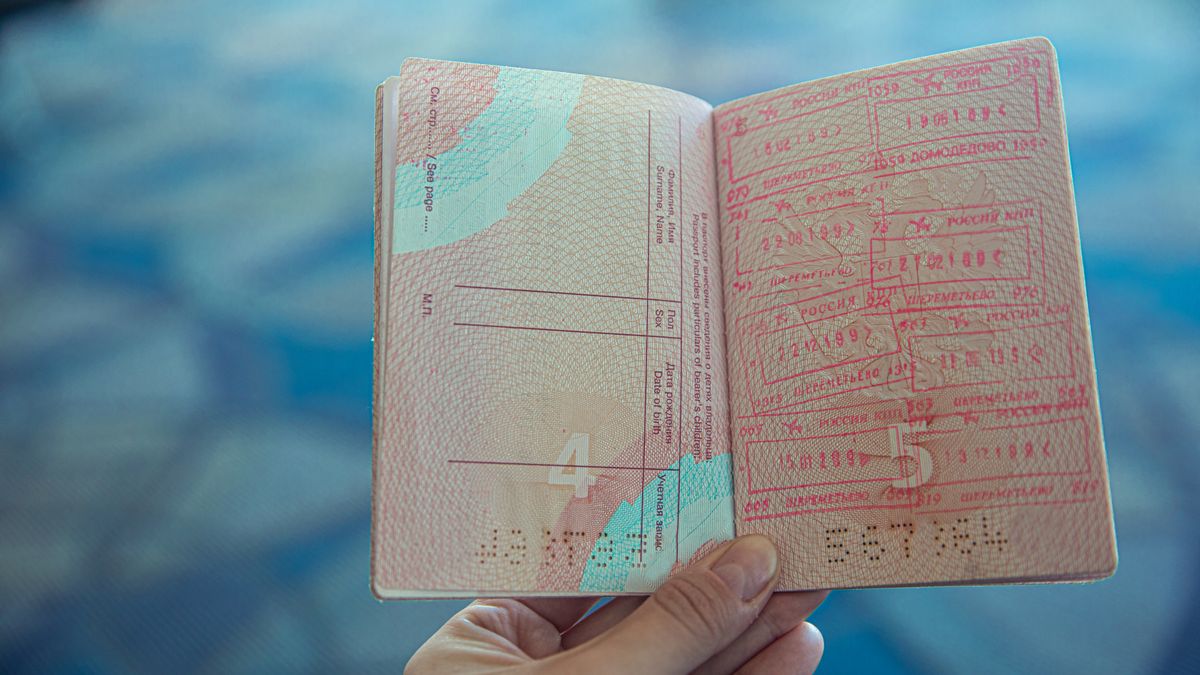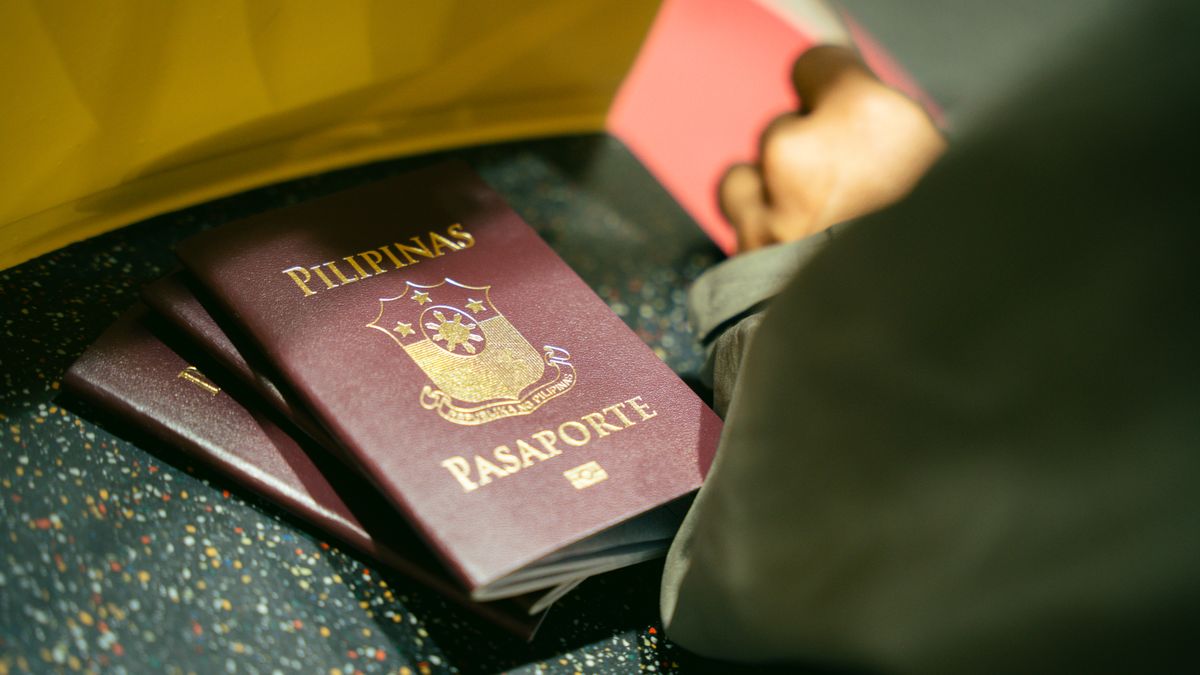
Dual citizens — travelers who hold two passports from different countries — sometimes face unexpected complications when applying for the US Electronic System for Travel Authorization. Whether the second nationality is from a Visa Waiver Program country, a restricted country, or anywhere in between, understanding how CBP handles dual citizenship is essential before you book your flight to the United States.
- You can apply for ESTA using your VWP-country passport even if your second passport is from a non-VWP country.
- If your second nationality is from Cuba, Iran, Iraq, Libya, North Korea, Somalia, Sudan, Syria, or Yemen, you are ineligible for ESTA regardless of your VWP passport.
- CBP requires you to disclose dual nationality truthfully on the ESTA application — false answers lead to denial or entry refusal.
- You must enter the US using the same passport tied to your approved ESTA.
How ESTA Handles Dual Nationality
US Customs and Border Protection evaluates ESTA applications based on the passport presented, not on all nationalities a traveler holds. If you hold a British passport and an Indian passport, you can apply for ESTA using your British passport (the UK is a VWP country). You do not need an ESTA for your Indian passport — you would need a US visa for that document, but ESTA covers your British travel.
The ESTA application form does ask whether you have been a citizen or national of any country other than the one on your application passport. You must answer this question truthfully. Providing false information is a federal offence that can result in permanent bars to US entry. See our overview of ESTA eligibility requirements for the full list of qualifying VWP nationalities.
Quick Facts: Dual Citizens and ESTA
| Scenario | ESTA Eligible? |
|---|---|
| UK + Australian dual citizen | Yes — both countries are VWP members |
| German + Indian dual citizen | Yes — use German passport for ESTA |
| French + Iranian dual citizen | No — Iranian nationality disqualifies ESTA |
| Dutch + Cuban dual citizen | No — Cuban nationality disqualifies ESTA |
| Japanese + North Korean dual citizen | No — North Korean nationality disqualifies ESTA |
| Swedish + Brazilian dual citizen | Yes — use Swedish passport for ESTA |
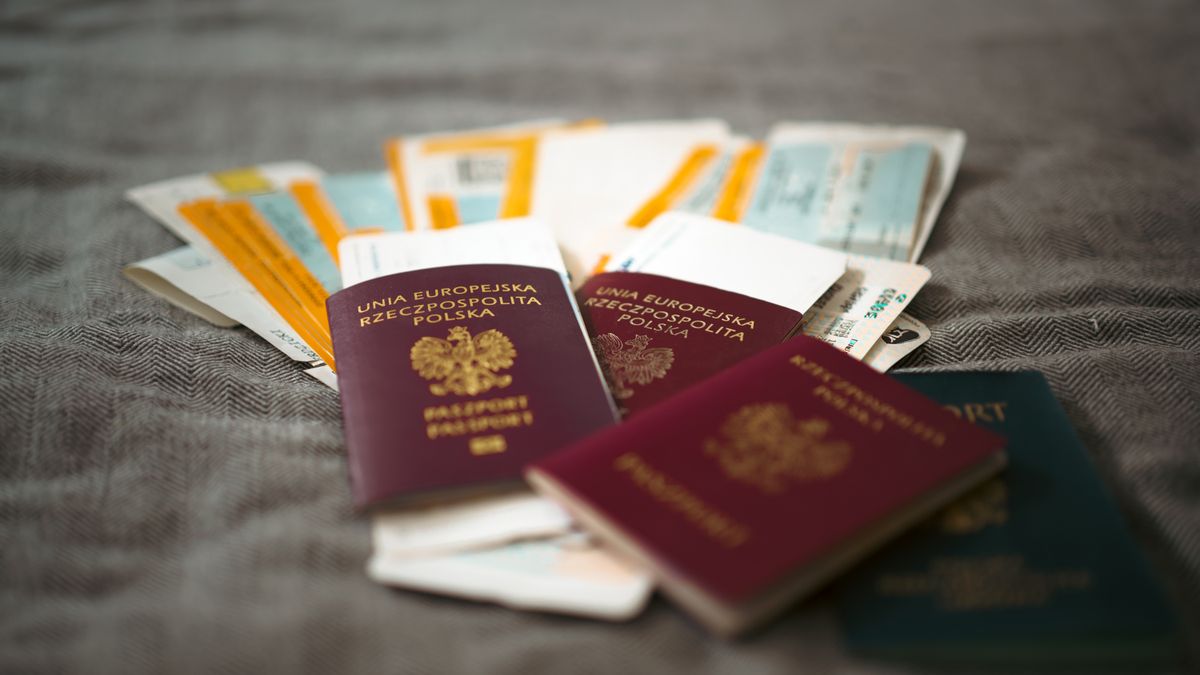
Restricted Country Nationalities That Block ESTA
The most important rule for dual citizens: if you hold or have held citizenship in Cuba, Iran, Iraq, Libya, North Korea, Somalia, Sudan, Syria, or Yemen — at any point — you are not eligible for ESTA regardless of which other passport you hold. A French-Iranian dual citizen cannot use their French passport for ESTA; they must apply for a full US B-1/B-2 visa.
This restriction also applies to travelers who have visited these countries since March 1, 2011, even if they are not a citizen. See our detailed guide on ESTA restricted country rules for the complete criteria. The Cuba-specific ESTA travel restriction rules are covered separately.
Step-by-Step: Applying for ESTA as a Dual Citizen
- Identify your VWP passport. If one of your citizenships is from a Visa Waiver Program country, that is the passport you will use for ESTA. Check the full list of VWP-eligible countries and nationalities in 2026.
- Check restricted country rules. If your second nationality is from Cuba, Iran, Iraq, Libya, North Korea, Somalia, Sudan, Syria, or Yemen, stop — you need a US visa, not ESTA.
- Gather your VWP passport details. You will need the passport number, issue date, expiry date, and the issuing country. Your ESTA will be linked specifically to this document.
- Navigate to the official CBP portal. Go to esta.cbp.dhs.gov and begin the application using your VWP-country passport.
- Answer the dual nationality question truthfully. The form will ask if you are or have been a national of any other country. Answer yes and name the country.
- Pay the $40 fee and submit. Most dual-citizen applications receive a decision within minutes.
- Enter the US on the ESTA-linked passport only. Present the same passport used for the ESTA application at the US port of entry.

What If You Renounce One Citizenship?
Renouncing a citizenship is a legally complex and often irreversible step. Even travelers who have formally renounced a restricted-country citizenship should consult a US immigration attorney before assuming ESTA eligibility is restored. CBP officers have discretion at the port of entry, and documentation of renunciation may be required.
For travelers who naturalised and lost a prior restricted-country citizenship automatically, the situation is different — consult the nearest US Embassy or Consulate before applying for ESTA.
Using ESTA on Multiple Trips as a Dual Citizen
Once approved, ESTA for dual citizens functions identically to a standard ESTA — it is valid for two years or until the linked passport expires, whichever is sooner. You can make multiple entries to the US under the same ESTA, with each stay limited to 90 days. The ESTA validity and expiry rules apply equally.
Dual Citizen Families: Different Rules for Different Members
In dual citizen families, each member must be assessed individually. A couple where one spouse is German-Iranian and the other is German-Brazilian will have different ESTA eligibility outcomes. The German-Brazilian spouse can apply for ESTA; the German-Iranian spouse cannot and must obtain a visa. See our guide on ESTA for families and children and the specific CBP family data requirements for ESTA.


Frequently Asked Questions
Can I hide my second citizenship on the ESTA form?
No. Deliberately omitting a nationality is fraud. CBP has sophisticated data-matching systems and the consequences — denial, entry refusal, and a permanent visa-required bar — are far more costly than applying for a visa through legitimate channels.
I hold a VWP passport but was born in Iran. Do I need a visa?
If you currently hold or have ever held Iranian citizenship, you are ineligible for ESTA regardless of your VWP passport. Contact the US Embassy in your country to apply for a B-1/B-2 visa.
My second passport is from a non-VWP, non-restricted country. Does it affect my ESTA?
No. Having a second passport from a country like Brazil, India, or Mexico does not disqualify you from ESTA as long as that country is not on the restricted list. Disclose it honestly on the form.
Do I need to update my ESTA if I acquire a new citizenship?
Yes. If you acquire a new nationality after your ESTA is approved — especially if that nationality is from a restricted country — you are required to notify CBP. Apply for a US visa instead.
Can I apply for ESTA using my second VWP passport if my first one is expired?
Yes. If you hold two VWP passports and one has expired, apply using the valid one. Ensure you travel on that exact document.
ESTA Approval and the US Border for Dual Citizens
An approved ESTA does not guarantee entry into the United States. CBP officers at ports of entry have full discretion to question, detain, or refuse entry to any traveler — including those with valid ESTA authorization. Being prepared with clear, consistent answers about both nationalities and your travel purpose is essential.
Dual citizens who hold a US green card or other US immigration status should not use ESTA — they must use their immigrant visa or travel document. See our comparison of ESTA vs a full US visa and the ESTA vs B-1/B-2 visa comparison for guidance. For the 90-day limit and stay extension rules, see our dedicated guide.
For the most current ESTA eligibility information, consult travel.state.gov — Visa Waiver Program and the official CBP ESTA portal at esta.cbp.dhs.gov.