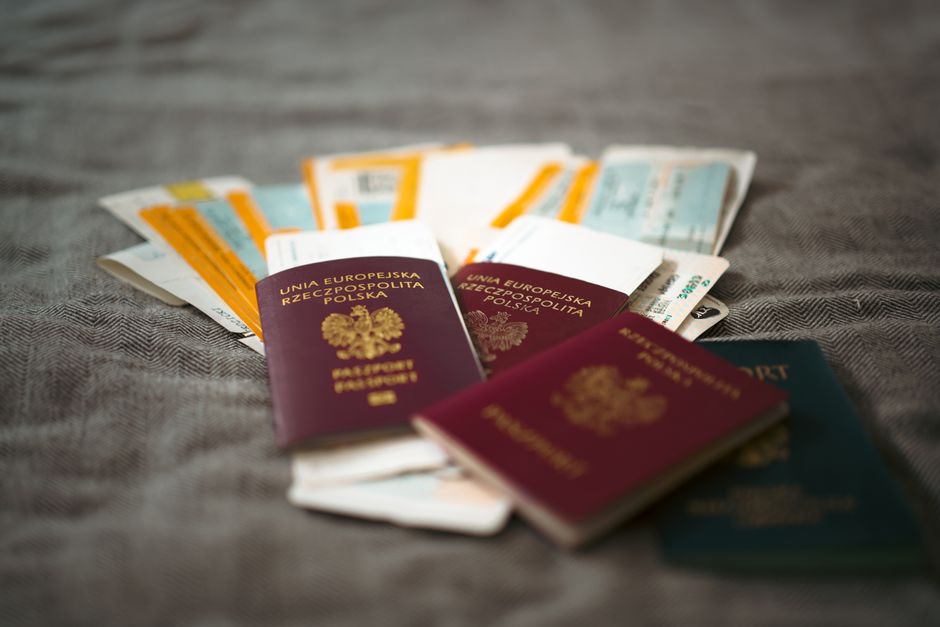

You can travel to the USA on an ESTA with a pet, but your dog or cat must meet separate health rules set by the CDC, not by the Visa Waiver Program itself. Your ESTA covers only you. Your animal needs its own paperwork and a microchip, and dogs also need proof that they meet the import rules that changed on 1 August 2024. Here is what to prepare for a trip in 2026.
TL;DR: An approved ESTA lets you enter for up to 90 days, but US customs and the CDC screen your pet on arrival. Dogs need a microchip, must be at least 6 months old, and require a CDC Dog Import Form receipt. Cats don’t need a CDC permit but face airline and rabies checks.
| Quick Facts | Detail (2026) |
|---|---|
| Your authorisation | Approved ESTA, up to 90 days |
| Dog minimum age | 6 months (CDC, since 1 Aug 2024) |
| Dog microchip | ISO 11784/11785, scanned at entry |
| CDC Dog Import Form | Free online, receipt valid 6 months |
| Cats | No CDC permit; airline + rabies rules apply |
| Where pets enter | Approved airports of entry only (high-risk dogs) |
Sort your own authorisation first. Confirm you qualify in our who needs an ESTA guide, then read the complete first-time application walkthrough before you book a single pet flight.
Which CDC rules apply to dogs and cats entering the USA in 2026?
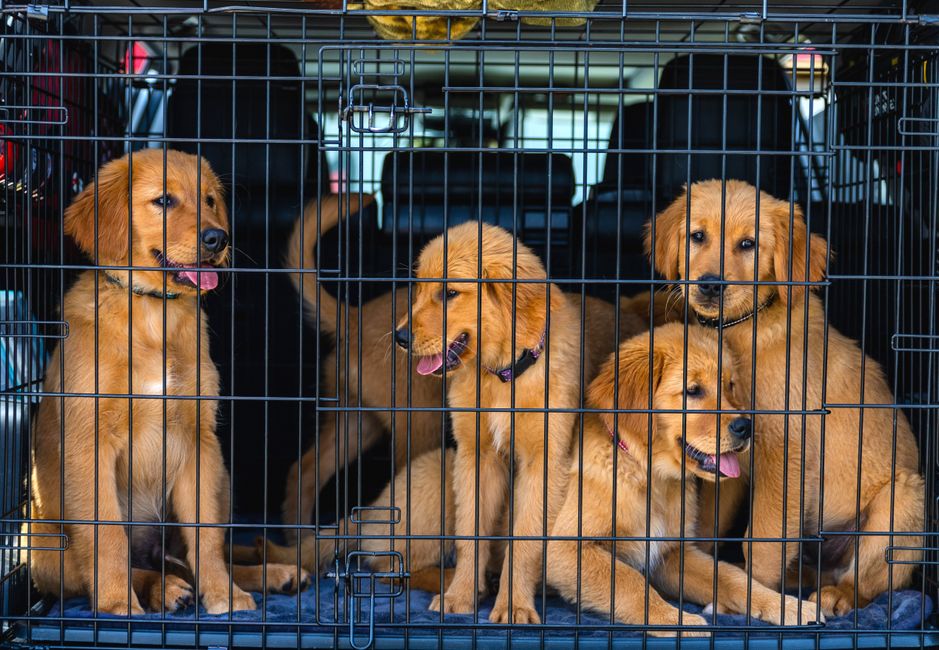
The CDC sets the dog entry rules, and since 1 August 2024 every dog must be at least 6 months old, have a working ISO microchip, look healthy on arrival, and travel with a completed CDC Dog Import Form receipt. The CDC doesn’t require a permit for cats, though airlines and the destination state can still ask for a rabies certificate. You need these checks in addition to your ESTA. They don’t replace it.
The rules tighten further if your dog has been in a country the CDC lists as high-risk for dog rabies during the previous six months (CDC, dog importation rules, accessed 27 June 2026). Those dogs must enter through an approved airport with a CDC-registered animal care facility, and they need extra documents such as a certified rabies vaccination or a reservation at that facility. A dog arriving only from rabies-free or low-risk countries faces a lighter process, but still needs the microchip and the import form receipt.
Say you fly into JFK from a high-risk country with a healthy spaniel but haven’t filed the import form. The airline may refuse boarding before departure, and even if the dog reaches New York, CBP can deny entry or require a paid quarantine reservation. The form is free and takes minutes to complete online.
| Animal | CDC requirement (2026) | Typical extras |
|---|---|---|
| Dog (low-risk country) | Microchip, 6+ months, import form | Health record, airline crate |
| Dog (high-risk country) | All above + approved airport entry | Rabies certificate, facility booking |
| Cat | No CDC permit | Rabies proof, airline carrier |
Microchip, rabies vaccination and the paperwork your dog needs
Before any trip, your dog needs an ISO-standard microchip implanted first, then a rabies vaccination given after the chip, plus a vet health record and the CDC import form filled in online two to ten days before arrival. Order matters: a rabies shot logged before the microchip can be rejected, forcing you to re-vaccinate and wait. A short vet visit settles all of this in one appointment.
Match every document to your dog’s exact microchip number, because border officers scan the chip and cross-check it against your forms (US Department of State, international travel, accessed 27 June 2026). A mismatch between the chip and the paperwork is one of the most common reasons a healthy dog gets held at arrivals. Keep digital and printed copies in your hand luggage, not in the hold.
Pro tip: Photograph your dog’s microchip scan, rabies certificate and CDC form receipt, then email them to yourself. If a printed page goes missing at check-in, a dated digital copy on your phone usually keeps you moving.
How do you plan a trip to the USA with a pet, step by step?

Plan the whole journey backwards from your flight date: chip and vaccinate early, choose a pet-friendly airline, book an approved arrival airport if needed, then file the CDC form in the final days before you fly. Rushing the order is what trips people up. Start six to eight weeks out and the process stays calm rather than frantic.
- Apply for your ESTA: get approval before booking, and check the validity window in our ESTA expiry rules guide.
- Microchip then vaccinate: implant an ISO chip, give the rabies shot afterwards, and keep the dated record.
- Pick an airline and crate: confirm cabin versus cargo rules, carrier size and any summer heat embargoes.
- Check your arrival airport: high-risk-country dogs must land where a CDC animal facility operates.
- File the CDC Dog Import Form: complete it 2 to 10 days before arrival and save the receipt.
- Pack a travel kit: water, a familiar blanket, waste bags and all documents in your carry-on.
Travelling with a pet often pairs with longer stays, so review what your authorisation does and does not cover. Health emergencies abroad get expensive fast, which is why our ESTA travel insurance guide and the rules on bringing medication are worth reading alongside this one.
Flying with cats, service animals and airline rules

Cats skip the CDC dog permit but still need an airline-approved carrier, a current rabies certificate for most states, and a booking that fits the airline’s in-cabin pet limit, which is often just a handful of animals per flight. Service dogs trained to assist a person with a disability follow different airline rules and usually travel in the cabin at no extra charge, though they still meet CDC entry checks.
Airlines cap how many pets ride in the cabin and may bar certain snub-nosed breeds from cargo in hot months, so book the animal the moment your own seat is confirmed (USA.gov, bringing items and animals into the US, accessed 27 June 2026). One traveller connecting through Chicago with a cat learned the hard way that a domestic onward leg had its own carrier rule, separate from the international flight. Confirm every segment, not just the first.
Once you land, airport screening still applies to you as the handler. Our US airport security guide explains what to expect at the checkpoint when you are juggling a carrier, a leash and your own bags.
Costs, national parks and where your pet can go

Budget for several layered costs: the airline pet fee, the vet visit and chip, the rabies vaccination, an approved crate, and any quarantine facility booking for high-risk dogs, which together often run well above the price of your own ESTA. The CDC import form itself is free, but the surrounding logistics are where the real spending sits.
Where your pet can actually go once inside the country surprises many visitors. Most US national parks restrict dogs to paved roads, campgrounds and parking areas, keeping them off the popular backcountry trails for wildlife safety (National Park Service, accessed 27 June 2026). If hiking with your dog is the goal, national forests and state parks are usually friendlier, a point worth weighing as you map a route through our best US destinations guide or an ESTA national parks road trip.
For the latest entry conditions before you fly, always cross-check the official Visa Waiver Program page (US Department of State, Visa Waiver Program, accessed 27 June 2026), since both ESTA and animal rules can change at short notice.
Frequently Asked Questions
Can I bring my pet on an ESTA for pet travel to the USA?
Yes. An approved ESTA authorises you for up to 90 days, and your pet enters under separate CDC and customs rules. The ESTA covers the human traveller only; your dog or cat needs its own microchip, paperwork and, for dogs, a CDC Dog Import Form receipt.
How old must a dog be to enter the United States?
Since 1 August 2024 every dog entering the US must be at least 6 months old. The age rule applies regardless of which country the dog is arriving from, and officers verify it against the dog’s records at the border.
Do cats need a CDC permit to enter the USA?
No. Cats are not covered by the CDC dog import rules, so they need no CDC permit. Your airline will still require an approved carrier, and most US states expect a current rabies vaccination certificate for cats.
What is the CDC Dog Import Form?
It is a free online form you complete 2 to 10 days before arrival. You receive a receipt to show the airline and CBP. The receipt is valid for six months and confirms your dog meets the microchip and age requirements.
Which airports can my dog arrive at?
Dogs from countries the CDC lists as high-risk for rabies must enter through an approved airport with a CDC-registered animal facility. Dogs from low-risk or rabies-free countries have more arrival options but still need the import form and microchip.
How much does it cost to fly a pet to the US?
Costs stack up across the airline pet fee, the vet visit, microchipping, rabies vaccination and a crate. High-risk dogs may also pay for a quarantine facility reservation. Together these usually exceed the cost of your own ESTA, so budget early.
Can my dog join me in US national parks?
Only partly. Most national parks allow dogs on paved roads, campgrounds and parking areas but ban them from backcountry trails. National forests and many state parks are more dog-friendly if hiking together is your main plan.
Done in the right order, pet travel to the USA is straightforward: secure your own ESTA, chip and vaccinate your dog early, file the free CDC form, and confirm every flight segment. Get the paperwork matching your pet’s microchip, keep copies on your phone, and both you and your animal should clear the border without drama.
Last updated: 2026-06-28 — verified against CDC and travel.state.gov guidance.