
ESTA caps your stay in America at 90 consecutive days per entry in 2026. No extension exists. Stay one day past that limit and your next ESTA application is almost always refused. A B2 visitor visa exists for travelers who need a longer stay, but converting from ESTA to B2 status without leaving the country is rarely the right move. This guide walks through the 90-day clock, the status-change path, the short-departure strategy, and what an overstay actually means for future US travel.
How the 90-day clock starts and stops
This 90-day stay limit on the Visa Waiver Program is per-entry, not annual. Each time you enter the country on an ESTA, a CBP officer admits you for 90 days. Your clock starts at admission, runs continuously, and cannot be extended once you are inside the US. Departing and returning the same day does not reset it; the cumulative-stay rule blocks back-to-back entries used to stretch a stay.
Those 90 days are calendar days, not business days. Day 1 is your admission date; day 90 is the last day you can leave without an overstay.

Why you cannot extend an ESTA stay
An ESTA stay cannot be extended. VWP entrants have no I-539 application, no waiver process, and no humanitarian exception beyond documented emergency medical detention. Travelers who need more than 90 days must leave the country and re-enter on a B-visitor visa.
This departure-and-return strategy — flying to Mexico, Canada, or the Caribbean for a few days and returning on the same ESTA — works only when the return is at least 60 days after the original departure date. Shorter gaps are routinely refused on entry as a stay-extension attempt.
B2 visa change-of-status from inside the US
Switching from ESTA to B2 without leaving the US is not allowed. USCIS guidance is explicit: 8 CFR §248.2 excludes VWP entrants from status-change eligibility. Your only route is to depart, apply for a B-visa abroad at a US Embassy, attend the interview, and re-enter on the new visa.
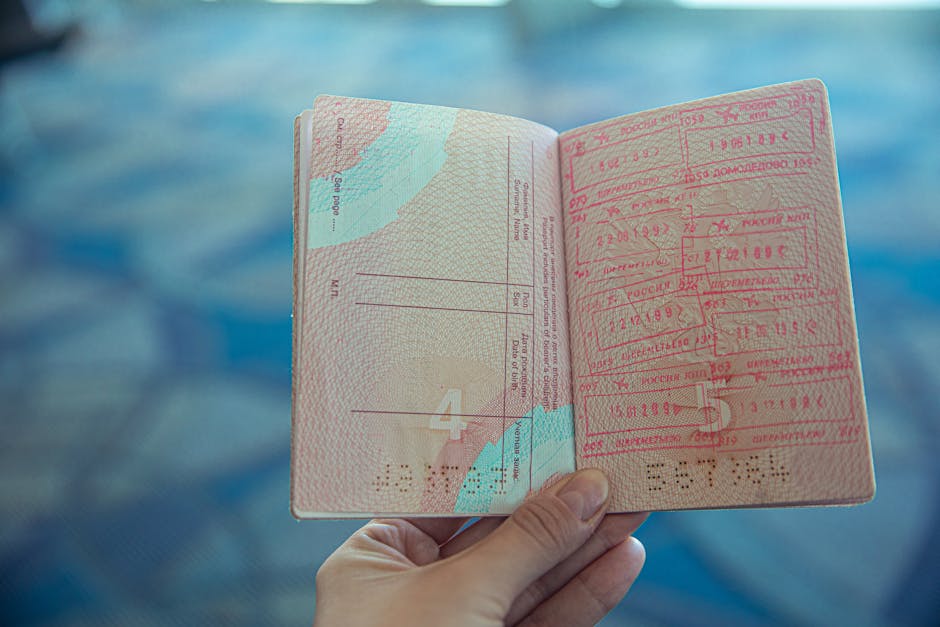
A narrow exception exists for medical emergencies that prevent timely departure. The traveler can apply for satisfactory departure — a CBP-granted grace period lasting up to a month. That request is filed at a CBP deferred-inspection site inside the country and requires documented medical evidence.
Further reading and official sources
- After ESTA rejection: B1/B2 playbook
- 2026 ESTA fee increase to $40
- ESTA application step-by-step requirements
- US Department of State visitor visa
- CBP international visitors
Departure and short re-entry rules
Short-departure strategy: travel to a contiguous territory or adjacent island (Mexico, Canada, the Caribbean) for a few days, then re-enter on the same ESTA. This tactic works in principle but is increasingly refused at the port of entry. CBP officers in 2026 are trained to spot the pattern and ask the traveler about the purpose of the short trip. Anyone who admits the trip was meant to reset the stay clock is refused entry on the spot.
As a rule of thumb, if you departed the US within the past 30 days, expect a secondary inspection.
Overstay consequences for future trips
Overstay consequences are severe. Overstaying by one day cancels the ESTA validity for any future entry; the next application is almost always refused. Overstaying by 180 days triggers a three-year US re-entry ban. Overstaying by one year triggers a ten-year ban. Both bans are codified in INA §212(a)(9)(B) and apply regardless of the underlying intent.

If you discover you have overstayed, leave immediately. Your re-entry-ban clock starts when you depart, not on the day the overstay began.
Insurance and medical exceptions
Medical and family emergencies that delay departure should be documented in writing and reported to CBP through a deferred-inspection site within 24 hours of the overstay. CBP can grant satisfactory departure lasting up to a month from the original I-94 date. Travel insurance with a medical-evacuation rider covers the cost of the rebooked flight and the documented hospital records.

Without the satisfactory-departure grant, the overstay is treated as unlawful presence and triggers the three-year ban automatically.
FAQ
Can I extend my ESTA stay past 90 days?
No. VWP entrants have no extension mechanism at all. You must depart by day 90.
If I leave and come back, does the 90 days reset?
Not immediately. CBP officers in 2026 routinely refuse re-entry if the gap between departures is under 60 days, treating the trip as a stay-extension attempt.

Can I change to a B2 visa from inside the US?
No. 8 CFR §248.2 excludes VWP entrants from status-change eligibility. You must depart and apply at a US Embassy.
What is satisfactory departure?
A CBP-granted grace period lasting up to a month for documented medical emergencies. Applied for at a CBP deferred-inspection site, not online.
What happens if I overstay by one day?
Your ESTA validity is voided. The next application is almost always refused. No formal one-day grace period exists.
How the 90-day clock starts and stops
The Visa Waiver Program admits ESTA travelers for a maximum of 90 consecutive days per arrival under 8 CFR §217.3(a). Your clock starts on the admission date stamped in your passport and recorded on electronic Form I-94, retrievable at i94.cbp.dhs.gov. It stops on the date the airline transmits your departure record to CBP through the APIS exit feed. A short trip to Canada, Mexico, or an adjacent Caribbean island does not stop it — your original 90-day admission keeps running, and CBP simply re-admits you for the remainder under the “automatic visa revalidation” rule of 22 CFR §41.112(d) if the side trip runs under a month.
If your departure is delayed by a force-majeure event such as a flight cancellation, severe illness, or a natural disaster, you can request a satisfactory departure extension lasting up to a month under 8 CFR §217.3(a). File it at the local CBP deferred-inspection office or by phone with the carrier; the officer notes your new departure date on the I-94 history. Satisfactory departure does not grant immigration benefits — you cannot work, you cannot enroll in an American school, and overstaying past the new date triggers the three-year and ten-year bars of INA §212(a)(9)(B).
Why the 90-day limit cannot be extended like a B2 visa stay
Travelers on a regular B2 tourist visa can file Form I-539 to extend their stay up to six additional months. ESTA travelers cannot. The VWP enrollment requires applicants to sign a waiver of removal hearings at INA §217(b)(2), and in exchange the program offers a streamlined entry with no fee at the consulate but no extension or status change while you remain in the country. The only way to lawfully stretch a stay beyond 90 days is to leave America before the deadline and re-apply at a U.S. consulate for a B1/B2 visa, adjudicated independently, which may take 30–180 days depending on the consulate’s wait time published at travel.state.gov.
What happens if you need to change to a different status inside the U.S.
USCIS denies status-change filings (Form I-539) submitted by VWP entrants in nearly every category. The exceptions are immediate-relative immigrant petitions (Form I-130 plus I-485 filed by the U.S.-citizen spouse or parent) and asylum claims under INA §208. A VWP traveler who marries a U.S. citizen after entry and files an adjustment of status accepts the risk that USCIS may read the entry as a “preconceived intent” misrepresentation under INA §212(a)(6)(C)(i). Adjudicators apply a 90-day “presumption of misrepresentation” rule to weigh intent at the moment of admission. Consult an immigration attorney before filing.
Frequently asked questions about the 90-day ESTA limit
Can I re-enter the U.S. on a new ESTA right after spending 90 days?
Technically yes, but CBP officers at the next port of entry will scrutinize a back-to-back stay. The agency expects a meaningful gap of several months at home before another VWP trip; otherwise the officer may revoke the ESTA at the booth under 8 CFR §217.5(c).
Does time in Canada or Mexico count against my 90 days?
If you exit to Canada, Mexico, or an adjacent Caribbean island for less than 30 days, the original 90-day clock keeps running. If you exit for more than 30 days, the next admission usually starts a new 90-day clock at the discretion of the CBP officer.
What is the penalty for staying one day past 90 days?
An overstay of any length while on ESTA cancels your VWP eligibility for life. Future travel requires a B1/B2 visa from a U.S. consulate. An overstay of more than 180 days triggers a three-year bar; over 365 days a ten-year bar under INA §212(a)(9)(B)(i).
Can a Canadian-citizen spouse file Form I-539 on my behalf to extend my ESTA stay?
No. The I-539 extension is unavailable to VWP entrants by statute. The only path is to depart and apply for a B1/B2 visa.