Getting married on an ESTA is completely legal, provided you marry as a visitor and then leave the US within your authorized 90-day stay. What is not allowed is entering on the Visa Waiver Program with a hidden plan to wed and remain permanently, which US authorities treat as visa fraud. This guide explains the line between a lawful destination wedding and a costly misrepresentation in 2026.
TL;DR: You may legally hold a wedding ceremony on US soil with an approved ESTA and depart inside that 90-day window. You cannot stay, work, or use the marriage to adjust status if you entered with that intent. Couples who plan to live stateside together should pursue a fiance (K-1) or spouse visa instead, not travel on an ESTA.
| Quick Facts | Detail (2026) |
|---|---|
| Wedding ceremony on ESTA | Allowed if you then leave |
| Maximum stay | 90 days, no extension |
| ESTA fee | $40 |
| To live stateside after marriage | K-1 fiance or CR-1 spouse visa |
| Risk of hidden intent | Visa fraud, future bans |
| Work during the visit | Not permitted |
The confusion stems from mixing two different goals: holding a ceremony versus relocating. Before you book, read our 90-day limit guide and confirm your eligibility in the who needs an ESTA guide.
Can you get married in the USA on an ESTA?
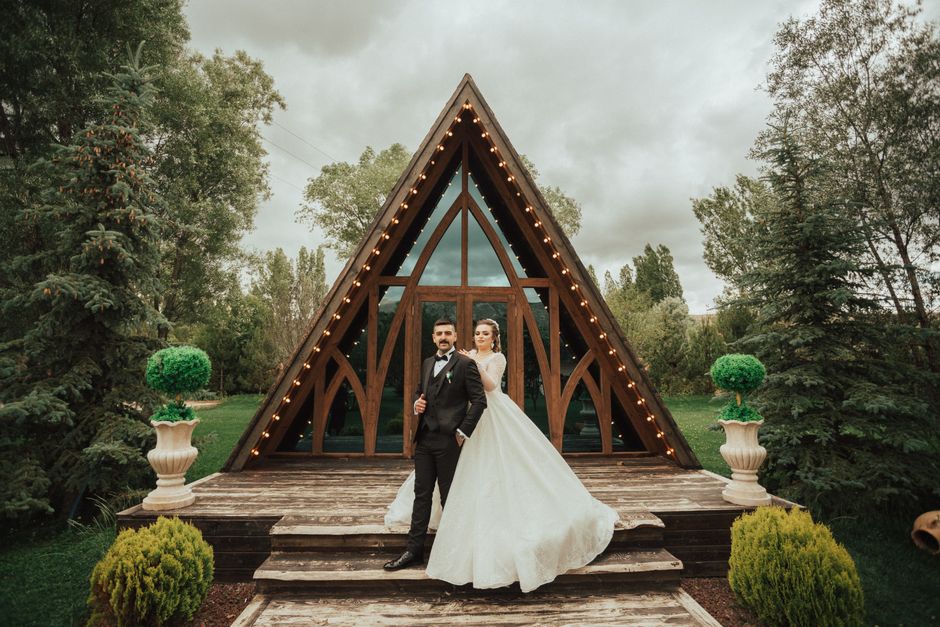
Yes, you may legally marry on an ESTA, because a wedding ceremony itself counts as a permitted social activity for Visa Waiver Program tourists who plan to celebrate and then return home. Thousands of international couples hold destination weddings in places such as Las Vegas, Hawaii and New York each year, then fly back. The ESTA covers the visit; the marriage is a personal event, not an immigration act in itself.
The key condition is that you enter as a true tourist and leave before your 90 days are up (US Department of State, Visa Waiver Program, accessed 23 June 2026). The VWP is for tourism and short business trips, and a wedding you attend or celebrate fits the tourism purpose. Just remember the program grants no work rights and no path to stay.
Pro tip: Tell the CBP officer the truth if asked about your trip. Saying you are attending or holding a wedding and returning home is fine. Hiding the trip’s purpose, or hinting you may stay, is what triggers secondary inspection and refusals.
Tourist wedding versus immigrating: the crucial difference

The crucial difference is intent: marrying while visiting and then leaving is lawful, but entering on an ESTA with a preconceived plan to marry and stay permanently is misrepresentation. US officials apply scrutiny to anyone who appears to have used a tourist entry to bypass the immigrant visa process, and the consequences can include a multi-year bar.
Immigration officers consider the so-called 90-day rule: if a visitor marries a US citizen and files to stay inside that first 90 days of entry, authorities may presume you misrepresented your intent. Marrying and then attempting to adjust status undermines the temporary nature of visa-free travel. If you are unsure whether your plans cross the line, compare the routes in our ESTA versus B1/B2 visa guide before you travel.
The consequences of getting this wrong are severe and long-lasting. A finding of willful misrepresentation can make you permanently inadmissible, and an overstay of more than 180 days triggers a three-year bar, while more than a year triggers a ten-year bar. Once you have misused the program, you may also lose the ability to travel visa-free in future and be forced to seek a full visitor visa instead, with an interview at a US embassy. Honesty at every stage is therefore not just ethical but practical.
Getting married on an ESTA and then leaving the country
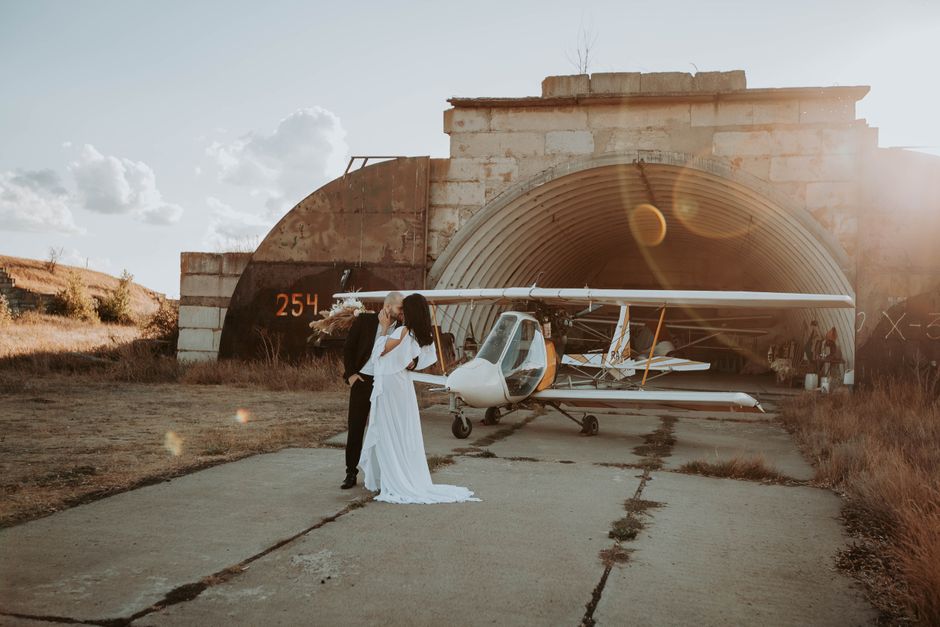
Marrying as a visitor and then leaving the country within your authorized 90-day stay is the safe, lawful model that immigration officers expect from any couple holding a US destination wedding. You celebrate, you collect your marriage certificate, and you fly home before your admit-until date, exactly as any tourist would. Your new marital status does not change your obligation to depart on time, and it does not grant you any right to work or remain.
After the wedding you can apply for a spouse visa from your home country if you later decide to immigrate. Keep your marriage certificate, photos and travel records, because they support a future immigrant application (US Department of State, immigrant visa process, accessed 23 June 2026). Track your departure deadline using the validity and expiry guide so a happy trip never becomes an overstay.
When you need a K-1 fiance or spouse visa instead
You need a fiance (K-1) visa or a CR-1 spouse visa, not an ESTA, whenever your plan is to wed and settle in America together. These immigrant categories are designed precisely for couples intending to settle, and using them protects you from the fraud allegations that arise when a tourist entry is used to immigrate.
A K-1 lets a foreign fiance enter to marry inside the first 90 days and then adjust status, while a CR-1 is for couples already married abroad (US Department of State, visitor visas, accessed 23 June 2026). Both take several months and require petitions, so plan well ahead. For travelers refused at this stage, our post-rejection visa playbook explains the next steps.
Be realistic about timelines and budget. A K-1 petition commonly takes many months from filing to interview, and total costs across the petition, medical exam and adjustment fees run into the thousands of dollars. By contrast, an ESTA costs just $40 and is valid for two years for short visits. The two products serve entirely different purposes: one is a visa-free tourist permit, the other is the first step of immigration. Choosing the wrong one to save time almost always costs far more later.
Practical steps for a lawful US destination wedding
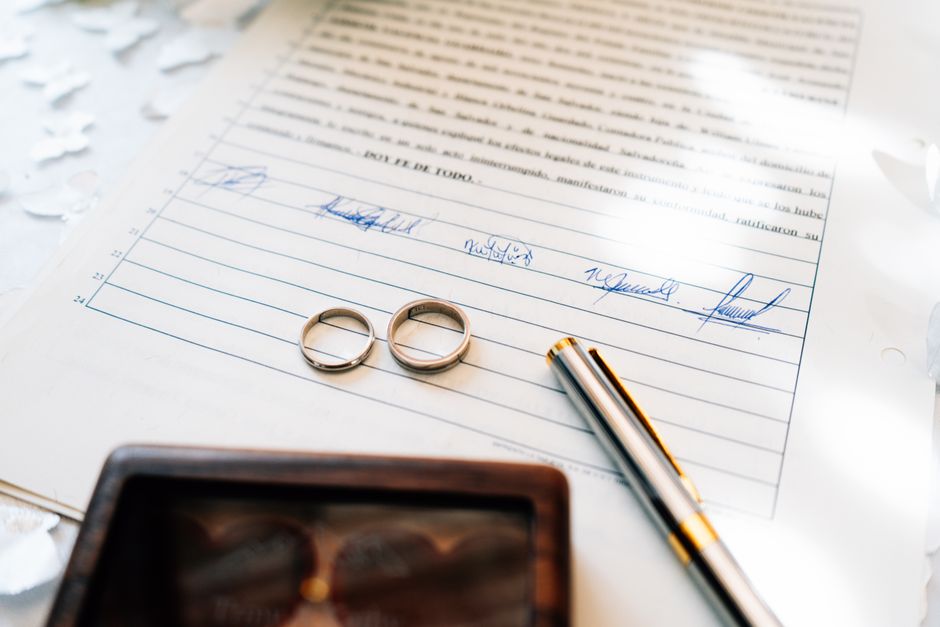
To marry lawfully as an ESTA visitor, confirm the venue’s marriage-license rules, enter as a bona fide tourist, hold the ceremony, and depart before day 90. Marriage rules vary by state, so the licence process in Nevada differs from that in California or Florida, and you should check residency and waiting-period requirements before you book flights.
- Check state rules: research the marriage-license fee, ID requirements and any waiting period for your chosen state.
- Apply for your ESTA early: the $40 authorization can take up to 72 hours, so apply well before travel.
- Travel as a tourist: book return flights inside the 90-day limit and be honest about your plans at the border.
- Keep your records: save the marriage certificate and ESTA confirmation for any future immigrant petition.
State rules differ more than most couples expect. Nevada is popular precisely because it has no waiting period and same-day licenses in Las Vegas, while other states impose a short delay between the licence and the ceremony. You will normally need valid passports, proof of any previous divorce, and a licence fee paid locally in cash or card. Booking a registered officiant in advance avoids last-minute problems, and translating any foreign documents ahead of time speeds up the paperwork. None of these steps changes your immigration status, so even a fully legal wedding leaves your 90-day clock running exactly as before.
Confirm general entry requirements in the official US visas overview and our ESTA requirements guide before you commit to dates.
Frequently Asked Questions
Is getting married on an ESTA legal?
Yes. It is legal as long as you enter as a genuine visitor and leave within 90 days. The wedding ceremony is a permitted tourist activity under the Visa Waiver Program.
Can I stay in the US after marrying on an ESTA?
No. The program grants a maximum 90-day stay with no extension. Staying or adjusting status with preconceived intent is treated as visa fraud and can lead to a multi-year bar.
What is the 90-day rule for marriage?
If you marry a US citizen and file to remain within 90 days of entering as a visitor, officials may presume you misrepresented your intent. It is a red flag, not an automatic approval window.
Do I need a K-1 visa to marry in the US?
Only if you intend to marry and stay. A K-1 fiance visa is required to enter, marry within 90 days, and then adjust status. For a wedding-and-leave trip, an ESTA is enough.
Can my partner work in the US after we marry on an ESTA?
No. An ESTA never grants work authorization, and marriage does not change that. Employment rights come only with the correct immigrant or work visa, not a Visa Waiver Program entry.
Does marrying a US citizen extend my ESTA stay?
No. Marriage does not extend the 90-day limit or your I-94 admit-until date. You must still depart on time unless you hold a separate, valid immigration status.
Can we marry abroad instead and move later?
Yes. Many couples marry in their home country, then apply for a CR-1 spouse visa to immigrate. This avoids any suggestion that a tourist entry was used to bypass the immigrant visa process.
Will my marriage certificate be valid back home?
A US marriage certificate is generally recognized internationally, but some countries require it to be apostilled or legalized before they register the marriage. Check your home country’s rules and order certified copies before you leave the US, as obtaining them later from abroad is slower and more expensive.
In short, marrying on an ESTA is a perfectly legal route to enjoy a US destination wedding, as long as you travel as an honest visitor and head home before day 90. If your real goal is to build a life together in the United States, choose a K-1 or CR-1 visa from the start, keep your paperwork organized, be honest with every officer you meet, and you will protect both your marriage and your future immigration options for years to come.
Last updated: 2026-06-23 — verified against travel.state.gov guidance.