A US cruise shore excursion in 2026 still counts as a US entry under CBP rules, even on a closed-loop sailing that begins and ends in the same US port. The misunderstanding causes ESTA cancellations every season for travelers who assumed the cruise line cleared them. This guide explains the closed-loop rule, when the ESTA is mandatory for the shore day, how tender boats change customs timing, and the documents you need at the port for a same-day excursion.
Closed-loop cruise vs port-of-entry rules
A closed-loop cruise is one that begins and ends in the same US port. Closed-loop sailings to Mexico, the Bahamas, the Caribbean, and Bermuda technically allow travel without a passport for US citizens; the cruise line uses a Western Hemisphere Travel Initiative document instead. For ESTA-eligible foreign visitors, however, the rule is different — they need a passport AND an ESTA, regardless of whether the cruise is closed-loop, because the embarkation port is on US soil.
The misunderstanding that the cruise line clears the ESTA is the most common cause of denied boarding for foreign visitors at the cruise terminal.
When ESTA is required for the shore excursion
The ESTA is required for the embarkation, not for the shore excursion. Once you have boarded the ship from the US port, your ESTA covers the entire cruise including foreign port days. You re-enter the US at the disembarkation port without a separate ESTA query, because the CBP system tracks the cruise’s manifest as a single trip.
The exception is when a US port is one of the cruise’s intermediate stops (a “transit” call). On a transit call, the cruise line typically clears passengers en bloc, but ESTA holders are flagged for an individual check during the customs sweep. Bring the printed approval.
Tender boats and customs re-check timing
Tender boats — the small boats that ferry passengers from ship to shore when the port has no dock for the ship — change the customs timing but not the rules. The tender’s arrival at the US shore is the legal entry point. CBP officers board the cruise ship in advance and clear passengers in groups by deck, and the cleared groups go to the tender. Bring photo ID and the printed ESTA approval to the cruise-line muster.
For ports with a direct dock (Miami, Galveston, San Diego), the customs check happens at the gangway. ESTA holders may be pulled aside for a secondary check; this is routine and adds five to ten minutes.
Further reading and official sources
- ESTA family data requirements at CBP
- ESTA name mismatch fix
- ESTA for transit passengers
- the official CBP ESTA portal
- CBP international visitors
Same-day re-entry rules for tourists
Same-day re-entry to the cruise ship after a shore day is governed by the cruise line’s all-aboard time, not by CBP. The CBP record updates only when the ship sails, so a passenger who misses the all-aboard and rejoins at the next port has a complicated re-entry. The cruise line will help process the new entry through the next US port; the traveler is responsible for the transport cost.
Pro tip: the cruise line knows your ESTA status. Ask the front desk to print a copy of your authorization before each shore day in case the printed copy is lost.
Cruise lines that pre-clear ESTA on your behalf
Some cruise lines (Royal Caribbean, Norwegian, Carnival) pre-screen ESTA approvals as part of the boarding manifest. The line uploads passenger data to CBP twelve to twenty-four hours before sailing, and a flagged passenger receives a phone call from the cruise line asking for the ESTA approval number. If the line cannot reach the passenger, the boarding pass is held at the terminal.
This pre-screen is not a substitute for the ESTA itself. The line is simply verifying that the authorization exists in CBP’s system before sailing.
What to bring for a port-day excursion
For a port-day shore excursion, bring the passport, a printed copy of the ESTA approval, the cruise ID card the line issues at boarding, and any specific documentation the excursion requires (yellow-fever vaccination card for some Caribbean ports). Local credit cards may not work at every shore stop; carry $50-100 in cash per person per port for taxis and small purchases.
If the excursion is booked through the cruise line, the line guarantees re-board even if the excursion runs late. If the excursion is booked independently, you are responsible for being at the dock by the all-aboard time.
FAQ
Do I need ESTA for a closed-loop cruise from a US port?
Yes, if you are a foreign visitor. The ESTA is required to embark from a US port regardless of where the cruise sails.
Does my ESTA cover the shore excursions?
Yes. The ESTA covers the entire cruise as a single trip in the CBP record.
Will the cruise line file my ESTA for me?
No. The cruise line may verify it on the manifest, but the application is your responsibility.
What if I miss the all-aboard time?
The cruise line will help you rejoin at the next port, but you pay the transport. Your ESTA does not need to be re-applied.
Do I need a printed ESTA for the shore day?
Recommended but not required. The cruise card the line issues at boarding is the primary boarding document.

How CBP Treats a Shore Excursion vs. a Re-Entry
A shore excursion is not the same legal event as a U.S. entry. When a cruise vessel calls at a U.S. port — say Miami, Galveston, or Seattle — every passenger walking down the gangway is technically presenting themselves for inspection under 8 USC §1281. The vessel’s master files the I-418 manifest before docking, and CBP pre-clears the passenger list against ESTA and visa records. Most travelers experience this as a swipe of a SeaPass card; the legal weight, however, is identical to a primary airport inspection.
The key distinction is between an in-transit port call and a disembarkation. An in-transit call (the vessel sails on within twenty-four hours) keeps the passenger under the carrier’s manifest control, and the ESTA remains in continuous use. A disembarkation — even an overnight at a U.S. port — generates a new I-94 entry under 19 CFR §4.7b, and the clock on the ninety-day Visa Waiver admission resets. Read the cruise itinerary carefully: a “shore excursion” that includes an overnight in port is a legal re-entry.
The Vessel-Manifest Rule Most Cruise Passengers Don’t Know
Cruise lines transmit the full passenger manifest to CBP forty-eight hours before each U.S. arrival. The manifest includes every traveler’s ESTA number, passport biographical data, and the cabin assignment. If your ESTA is denied or expired at any point during the cruise, the line is required to off-board you at the next foreign port; they cannot land you in the United States. Renew your ESTA before embarkation if the validity expires inside the cruise window — even a one-day overlap is sufficient to satisfy the carrier’s manifest check under 8 CFR §217.5.
A second wrinkle: the cruise line’s onboard immigration officer cannot override a CBP refusal in real time. If primary inspection at the first U.S. call flags a passenger for secondary review, the entire vessel may be held at the dock until the case is resolved. Cruise lines therefore screen passengers aggressively at embarkation. Carry the ESTA approval email, the passport with at least six months of validity beyond the cruise end date, and a printed copy of the cruise itinerary.
Documents to Carry Off the Ship at Every U.S. Port
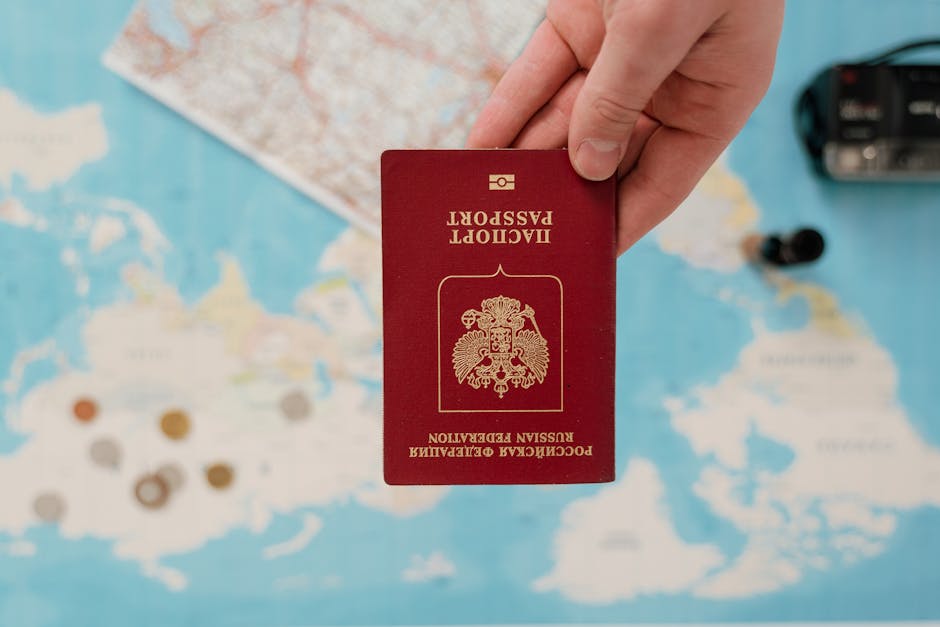
Even on an in-transit shore excursion, take the passport, the SeaPass card, and a printed copy of the ESTA approval. The SeaPass alone is enough for most port-call returns, but CBP officers conducting random secondary checks at the gangway are entitled to ask for the passport and ESTA. Leaving these in the cabin safe and walking off with only the SeaPass is the single most common reason a cruise passenger experiences delay at re-boarding.
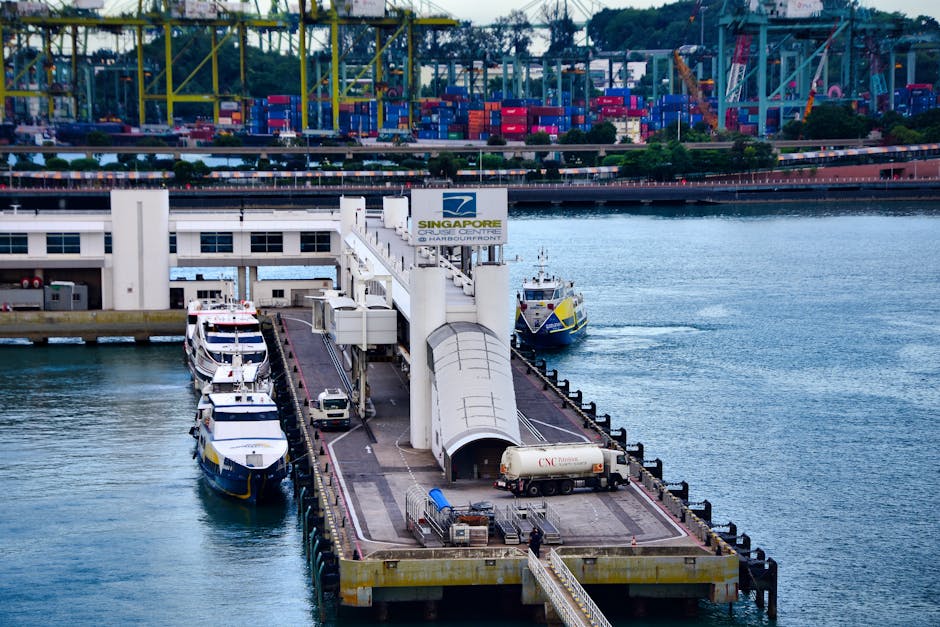
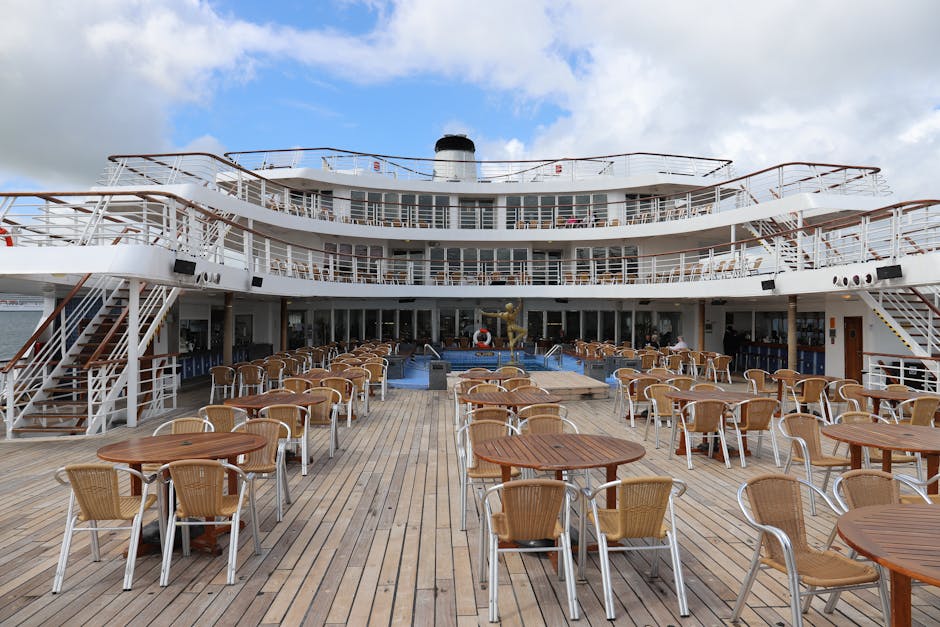
Travelers planning a tendered shore excursion — where a small boat ferries passengers from the anchored cruise ship to a coastal town — should also carry a printout of the tender ticket. The tender ticket is the audit trail under INA §212(a)(7) demonstrating that the excursion was carrier-organized rather than an independent foreign re-entry.
Frequently Asked Questions
Do I need to re-clear customs at each U.S. port?
Not normally. The cruise line clears the passenger list once at the first U.S. arrival, and subsequent U.S. port calls operate under the same continuous manifest. Random secondary inspections are possible at any port, however, and carrying the passport, ESTA approval, and SeaPass card avoids the most common delays.
Does my ESTA reset if a shore excursion exceeds 24 hours?
Possibly. An overnight at a U.S. port that involves disembarkation from the vessel generates a new I-94 entry under 19 CFR §4.7b. The ESTA itself does not reset, but the ninety-day VWP admission clock starts over. Plan shore excursions to remain within the same calendar day at U.S. ports whenever possible.
What if my cruise ends at a different U.S. port than it began?
This is called an “open-jaw” itinerary and is permitted under 8 USC §1281. The vessel files a final manifest at the disembarkation port, and the I-94 closes at that location. Travelers continuing onward in the United States carry the disembarkation form for any subsequent domestic flight that requires identity verification.