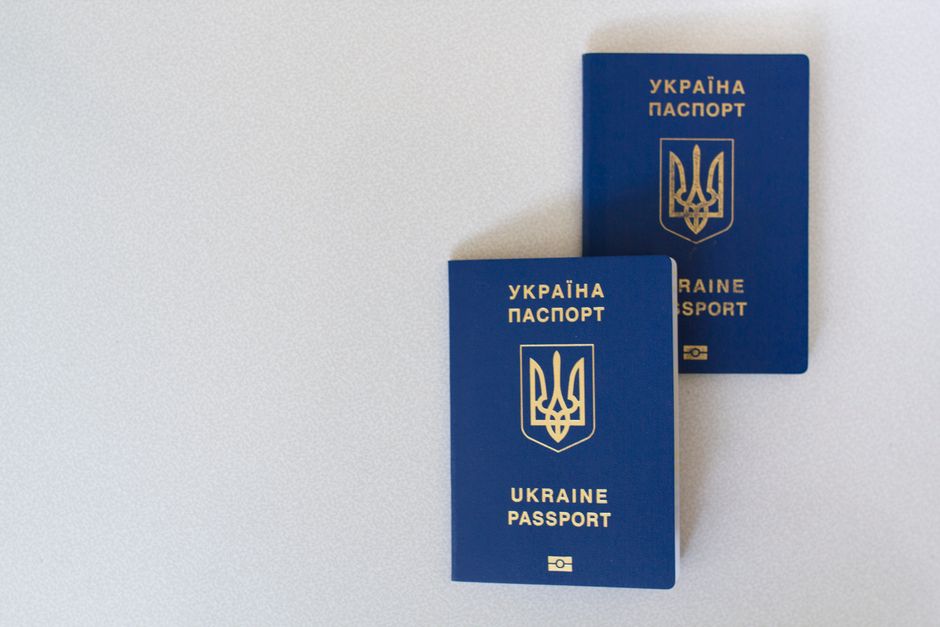
ESTA boarding refusals tied to a name mismatch in 2026 outpace fee disputes and country errors combined. The cause is almost always a passport that lists hyphens, multiple last names, an accent, or a recently married name in a way CBP’s match algorithm rejects when the airline checks the boarding pass against the ESTA. This guide explains how CBP matches your name, which mismatches block boarding, and the practical fix — usually before you leave for the airport, sometimes at the airline counter, almost never at the gate.
How CBP matches ESTA fields to your passport
CBP matches your ESTA application against your passport’s machine-readable zone, not the human-readable photo page. The machine-readable zone is the two lines of letters and numbers at the bottom of the passport, where surname and given names are stripped of accents, hyphens, and spaces and folded into a single uppercase string. The ESTA form, by contrast, accepts hyphens, accents, and spaces, and tries to parse them.
When CBP runs the boarding check, it compares the machine-readable zone characters to the ESTA characters. Even a single letter off — a missing hyphen, an extra space, a different transliteration of an accented character — counts as a mismatch and refuses boarding.
Surnames with hyphens and multiple last names
Surnames with hyphens are the single most common mismatch in 2026. Some passport issuers (UK, Germany) preserve the hyphen in the machine-readable zone as a less-than sign; others (France, Spain) drop it entirely. Travellers who type the hyphen into the ESTA form on a UK passport need to verify the format. The official rule from CBP: type the surname exactly as it appears in the machine-readable zone of your passport, not as it appears on the photo page.
For multiple last names (common in Spanish and Portuguese-speaking countries), all last names go in the surname field, separated by a space.
Married names and recent passport renewals
A recently issued passport after marriage is the second most common mismatch. The traveler’s old ESTA is still valid for two years on the maiden name, but the new passport book carries the married name. The two no longer match. The fix is to file a new ESTA on the new passport before travelling. The old ESTA quietly expires; no refund is owed.
One nuance: some travelers carry both passports during the transition month. The CBP system only matches against the passport you book the ticket on, so be consistent — book on one passport, file the ESTA on that same passport, and travel on that same passport.
Further reading and official sources
- ESTA name mismatch fix
- ESTA for minor children and guardians
- ESTA for cruise passengers
- the official CBP ESTA portal
- US Department of State visitor visa
Accents, special characters, and transliteration
Accents and special characters are stripped in the machine-readable zone but preserved in the ESTA form, creating a mismatch when the traveler types the accented version. CBP guidance: type the simplified Latin character that appears in the machine-readable zone. “Müller” becomes “MULLER” in the MRZ and should be typed “MULLER” in the ESTA form. “Ñoño” becomes “NONO” in the MRZ.
Some countries (Germany) use a double-letter substitution: “ä” becomes “AE” in the MRZ, not “A”. Check your own MRZ before typing.
Children, middle names, and parental rules
Children with one parent’s surname and the other parent’s middle name face a different problem: which one goes where? CBP guidance is to use the passport’s machine-readable zone as the source of truth. If the child’s passport lists “Smith” as the surname and “Doe” as a middle given name, that is the structure in the ESTA. Parents who add an extra middle name in the ESTA form (because the child is known by it in daily life) create a soft mismatch.
Parental consent letters are not part of the name-match check; they are a separate airline-level requirement for unaccompanied minors.
Fixing a mismatch before boarding
Fixing a mismatch before boarding is preferable to fixing it at the airline counter. Log in to esta.cbp.dhs.gov with the application number, passport number, and date of birth, and use the “Edit” function. You can edit the address of stay and the email; you cannot edit the name. To fix a name, file a new ESTA. The new ESTA costs $40; the original is not refunded.
If the mismatch is caught at the airline counter, the agent’s only fix is to re-issue your boarding pass on the corrected ESTA. That fix takes 15 minutes and you need to be at the counter at least two hours before departure.
FAQ
How does CBP match my name?
CBP compares your ESTA against the machine-readable zone of your passport — the two lines of capital letters at the bottom of the photo page.
My ESTA spells my name with a hyphen but my MRZ uses a less-than sign. Is that a problem?
Usually yes. Type the surname exactly as it appears in the MRZ, without the hyphen, to be safe.
What if I just got married and my passport has my new name?
File a new ESTA on the new passport. The old ESTA on the maiden name expires automatically when the underlying passport is replaced.
Can I fix the name in my existing ESTA?
No. Name fields are not editable. File a new application — the $40 fee is paid again, the old ESTA is not refunded.
My passport name has an accent. Do I use the accent in the ESTA?
No. Use the simplified Latin equivalent as it appears in the MRZ. “Müller” becomes “MULLER.”

When a Hyphen or Surname Punctuation Triggers an ESTA Mismatch
Most ESTA name-mismatch refusals trace back to a single punctuation question: where does the hyphen go, and does the passport bearer’s middle line repeat the surname or split it across two fields? Under 22 CFR §51.21, the U.S. State Department reads the machine-readable zone (MRZ) of a passport as the authoritative identity record, and CBP’s ESTA matching engine compares that MRZ string character by character against your application. A hyphen rendered as “GARCIA-LOPEZ” on the MRZ but entered as “GARCIA LOPEZ” in the ESTA form will flag for manual review under INA §212(a)(6)(C)(i), even when both halves of the name appear in your travel documents.
The pattern gets thornier for travelers whose passports use diacritics (Á, Ñ, Ø, Ø, Ł, Č). The MRZ strips accents and applies transliteration rules from ICAO Doc 9303, so “PEÑA” becomes “PENA” and “MÜLLER” becomes “MUELLER” or “MULLER” depending on the issuing state. Always copy the MRZ exactly into the ESTA form rather than the visual page. The visual page is decorative; the MRZ is the legal identifier under 9 FAM 102.1-3.

Family Booking Mistakes That Pre-Travel Carriers Cannot Override
Family bookings collapse most often when a parent assumes the child’s surname matches their own. Children of remarried, divorced, or unmarried parents frequently carry a different surname on their passport, and the carrier’s check-in system will reject a boarding pass whose ESTA does not exactly mirror the passport. 8 CFR §217.5 puts the burden of identity verification on the traveler at boarding, and the airline has no discretion to waive a name mismatch even when the family relationship is obvious.
A second trap is the middle-name omission. Some online booking systems strip middle names from the displayed ticket to save space; the underlying PNR still contains them. The ESTA, however, must reflect the full given names as printed on the passport MRZ. A traveler whose passport reads “JOHN ALEXANDER SMITH” but whose ESTA reads “JOHN SMITH” should expect a denied-boarding event at any U.S.-bound gate operating under APIS rules. Update the ESTA before travel rather than counter-arguing at check-in.
How to Fix a Mismatch Before the Boarding Gate
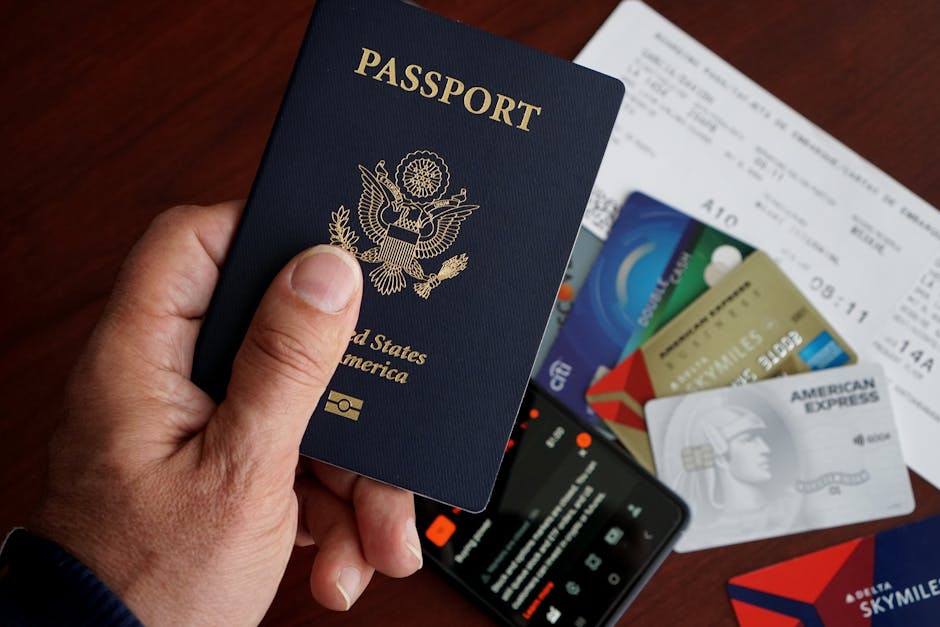
The fastest fix is a fresh ESTA application. Once CBP approves the corrected record, the new authorization typically appears in the carrier’s manifest check within thirty minutes. The previous authorization is automatically cancelled — you cannot run two simultaneous ESTAs for the same passport. The $40 application fee is non-refundable on the corrected version even though the original was wasted; budget for the duplicate cost when travel is imminent.
If your departure is less than seventy-two hours away and the new ESTA shows “Authorization Pending” beyond the typical seventy-two-hour decision window, contact the carrier directly with both ESTAs and a scan of the passport biographical page. Carriers can sometimes override APIS in coordination with CBP’s National Targeting Center, but only when the documentation is internally consistent.

Frequently Asked Questions
Does my ESTA fail if my booking omits a middle name?
Not directly — the booking and the ESTA are separate records — but the manifest the carrier transmits under APIS must match the ESTA exactly. If the manifest reads “JOHN SMITH” because the carrier truncated the middle name, the carrier’s check-in system will pull from the PNR, which usually retains the full name. Confirm before check-in that the PNR contains the full given names from the passport.
Can I correct an ESTA name after CBP has approved it?
No. ESTA records are immutable after approval. The correct path is a new application with the right data; the prior approval is cancelled automatically. Do not attempt to modify the original through carrier portals or third-party agents — there is no legitimate channel under 9 FAM 102.1-3 for post-approval name edits.
What if a child’s surname differs from a parent’s passport?
That is permitted and common. Each traveler — parent and child — needs an individual ESTA matching their own passport MRZ. Carry a copy of the birth certificate or court order naming the child if you want to forestall secondary inspection questions at primary entry under 22 CFR §51.21.