Carrying medication into the United States on an ESTA is generally allowed for personal use, as long as you bring a reasonable supply, keep it in its original pharmacy packaging, and flag it to a customs officer on arrival. The rules tighten sharply for controlled substances, and a few drugs that are legal elsewhere are prohibited stateside. This guide explains exactly what Visa Waiver visitors can carry in 2026.
TL;DR: You can normally bring up to a three-month supply of personal prescription medicine into the country under the FDA personal-use policy. Keep everything in its original pharmacy packaging, carry a note from your prescribing doctor, pack it in hand luggage, and tell an officer at the border. Controlled substances are limited and some medicines legal abroad are prohibited, so always check before you fly.
| Quick Facts | Detail (2026) |
|---|---|
| Personal supply guideline | Up to 90 days |
| Packaging | Original labeled containers |
| Where to pack | Hand luggage |
| Documentation | Prescription or doctor’s letter |
| Declaration | Required on the customs form |
| Controlled substances | Strict limits, must declare |
Medication rules sit alongside the wider customs and security checks every visitor faces. Read this together with our US customs declaration guide and the airport security guide.
Can you bring medication into the USA on an ESTA?
Yes, an ESTA visitor can bring personal medication into the United States, because the VWP does not change the standard rules that apply to all international travelers carrying prescription drugs for their own treatment. The key is that the medicine must be for you, in a sensible quantity for your trip, and properly documented if an officer asks.
This applies whether you are visiting for two days or the full ninety, and whether your medicine is a common daily tablet or a specialist treatment. Your ESTA covers your right to travel and enter; it has no separate medication clause (US Department of State, Visa Waiver Program, accessed 23 June 2026). Instead, the FDA and CBP apply their personal-importation rules. The State Department also advises checking medication rules before any trip abroad (US Department of State, your health abroad, accessed 23 June 2026).
Pro tip: Photograph your prescriptions and packaging before you fly and email the images to yourself. If a label peels off or a bottle is queried, having a clear digital copy of the prescription can resolve the question in seconds.
How much medication can you bring? The 90-day rule
As a guideline, you may bring up to a 90-day supply of medication for personal use, which comfortably covers the maximum 90-day stay the program allows. Carrying more than you reasonably need for your visit can prompt questions, because large quantities look like importation for resale rather than personal treatment.
Match the quantity to your trip length plus a small buffer for delays. A two-week holiday does not require six months of tablets, and an excessive amount may be refused. Because the program caps your stay at 90 days anyway, align your medication with that window and review our 90-day limit guide. Travel insurance can also cover emergency replacements, as explained in our travel insurance guide.
The 90-day figure is a guideline, not a hard customs allowance printed on a form, so officers use judgment. What matters is that the amount looks proportionate to a genuine visitor’s needs. If you take several daily medicines, the total volume can still be large while remaining clearly personal, and that is fine. Problems arise only when quantities suggest commercial importation, such as hundreds of sealed retail boxes of a single drug. Keeping a simple written list of your medicines, doses and the condition each treats helps an officer see at a glance that everything is for your own treatment during a short trip.
Bringing medication into the USA: declaration and labeling rules

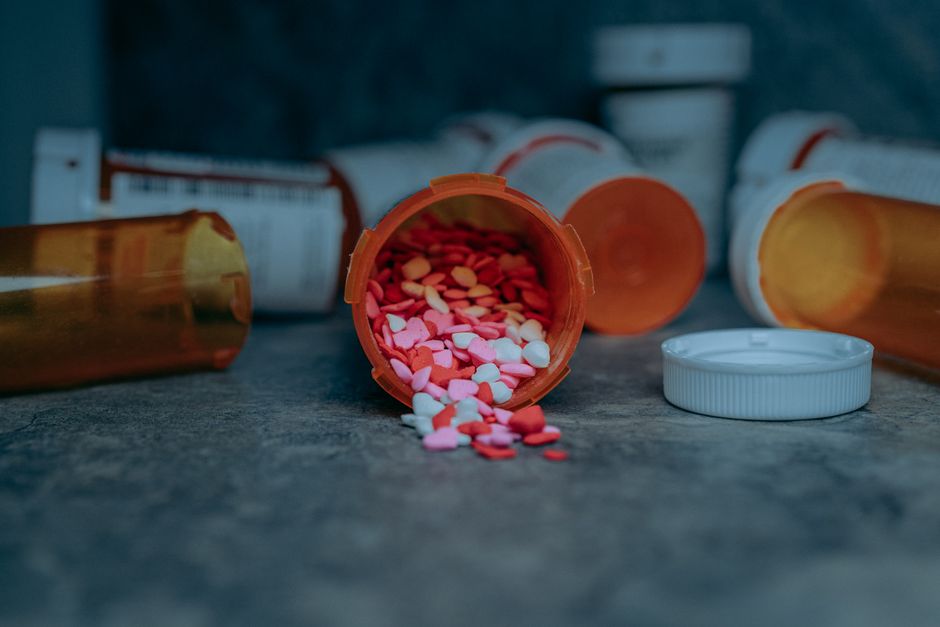
When you bring medicines into the country, you must keep each one in its original pharmacy-labeled container, then declare it truthfully on the CBP customs form if asked, or whenever it includes controlled substances. Loose pills in unlabeled bags are the single most common cause of delay, because officers cannot verify what they are.
- Keep original labels: leave medicines in the pharmacy packaging showing your name and the drug.
- Carry your prescription: bring the prescription or a signed physician’s note explaining what you take and why.
- Pack in hand luggage: keep essential medicines with you in case checked bags are delayed or lost.
- Declare when required: tick the declaration box for controlled drugs and answer officers honestly.
If you are unsure whether a medicine qualifies as controlled, treat it as if it does and carry full documentation. The official US visas overview and our ESTA requirements guide cover the wider entry checklist.
Controlled substances and restricted drugs
Controlled substances such as strong painkillers, stimulants and some sleep or anxiety medicines face strict limits, and a few drugs legal in other countries are banned outright in the United States. You must declare these, carry a valid prescription, and generally limit quantities to a short personal supply rather than a bulk amount.
For example, some inhalers and stimulant medications sold freely abroad contain ingredients restricted on US soil, so checking before departure is essential (US Department of State, visitor visas, accessed 23 June 2026). When in doubt, contact the US embassy in your country or your doctor about an alternative you can carry legally. Never try to conceal a controlled medicine, because non-declaration can lead to seizure and refusal of entry.
Common examples cause real confusion. Certain strong codeine combinations available over the counter in some countries require a prescription in the US, and a few sleep aids and stimulant treatments contain controlled ingredients. Injectable medicines such as insulin are permitted, but you should carry needles in their original packaging with the prescription, and tell screening staff before they inspect your bag. If your treatment involves a controlled substance, limit yourself to a clearly personal quantity, keep the prescribing doctor’s contact details to hand, and mention it before being asked. Volunteering the information early almost always leads to a faster, calmer inspection than waiting for an officer to discover it.
Practical tips for bringing medication into the USA
Plan your medication like any other essential travel document: organize it before you pack, split supplies between bags where sensible, and keep documentation within easy reach at the border. A little preparation prevents the stress of explaining an unlabeled bottle to an officer after a long flight.
- Original containers: never decant tablets into a daily pill organizer for the flight itself.
- Physician’s note: ask for one listing generic drug names, as US pharmacies use different brand names.
- Liquids and devices: medically necessary liquids and devices are allowed through security but should be declared to screening staff.
- Check first: confirm your eligibility to travel using our who needs an ESTA guide.
Timing also matters at the airport. Allow extra minutes at security if you carry liquids, refrigerated medicines or medical devices, because these may need a separate manual check. A small insulated bag with ice packs is permitted for temperature-sensitive drugs, and you do not have to fit medically necessary liquids within the usual small-container limit, provided you declare them. On arrival, follow the signs for travelers with goods to declare if you are carrying controlled substances, rather than using the nothing-to-declare lane.
Finally, think about the return journey and any onward countries. Rules differ everywhere, so a medicine you legally brought into the US may face different limits when you fly home or transit a third country. Carrying the prescription and your physician’s note throughout your trip, not just for the US leg, keeps you covered end to end. A few minutes spent checking each destination’s rules before departure is far easier than resolving a problem mid-journey with a tired traveler and an impatient queue behind you.
Frequently Asked Questions
Can I bring prescription medication into the USA on an ESTA?
Yes. ESTA visitors can bring a personal supply of prescription medication, normally up to 90 days, in original labeled containers with a prescription or doctor’s letter. Declare controlled substances on arrival.
How much medication can I bring into the USA?
The guideline is up to a 90-day supply for personal use, matching the maximum Visa Waiver Program stay. Carrying far more than you need for your trip can prompt questions or refusal.
Do I need to declare my medication to CBP?
You must declare controlled substances and answer customs questions truthfully. Ordinary prescription medicines in labeled packaging rarely cause issues, but honesty on the declaration form is always required.
Can I pack medicine in my checked luggage?
You can, but essential medication belongs in your hand luggage in case checked bags are delayed or lost. Keep it with your documents so it is easy to show at the border.
Are any medicines banned in the United States?
Yes. Some drugs legal abroad, including certain stimulants and combination painkillers, are restricted or banned in the US. Check with the US embassy or your doctor before travelling if unsure.
Do I need a doctor’s letter?
It is strongly recommended, especially for controlled substances or injectables. A letter listing the generic drug names and your condition helps officers and any US pharmacy understand your treatment quickly.
Can I buy more medication while in the US?
Only with a valid US prescription, which usually means seeing a local doctor. This is another reason to bring enough for your whole trip and to hold suitable travel insurance.
Taking medication into the United States on an ESTA is straightforward when you prepare: pack a personal three-month supply in its original pharmacy packaging, carry your prescription and a physician’s note, keep essentials in your hand luggage at all times, and declare anything controlled without waiting to be asked. Check restricted drugs before you fly, confirm the rules for any country you transit, and a long flight ends with a smooth border crossing rather than an avoidable medication problem at the worst possible moment.
Last updated: 2026-06-23 — verified against travel.state.gov guidance.