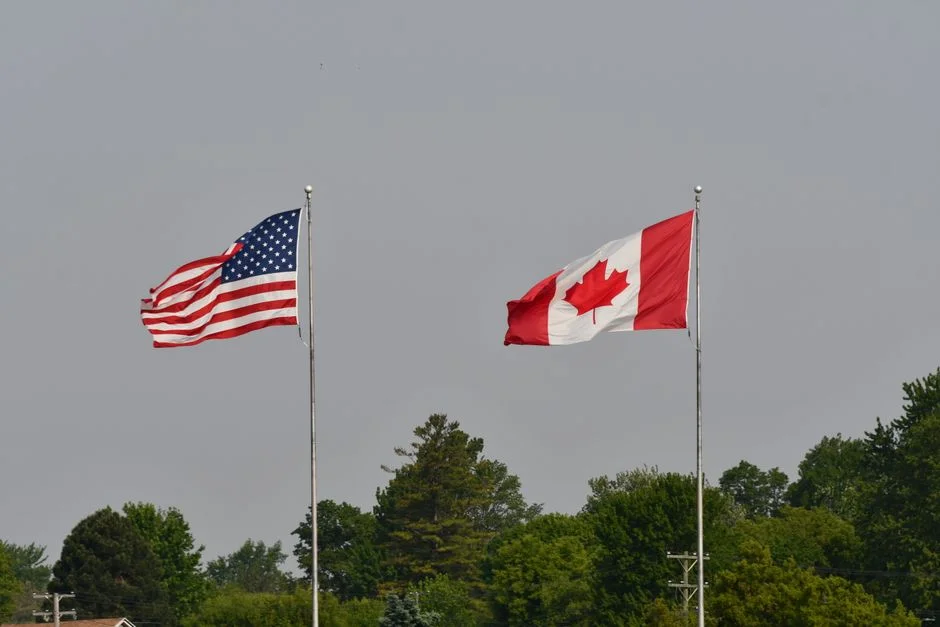
No. Popping over to Canada or Mexico won’t give you a fresh 90 days on your ESTA. Under the Visa Waiver Program, time spent in Canada, Mexico, and the adjacent Caribbean islands counts toward your original 90-day admission. When you come back, you get the remainder of that period, not a new three months. Officers specifically watch for people trying to “reset the clock” with a quick border hop. Below is when the count pauses, when it doesn’t, and how to avoid an overstay.
TL;DR: A hop across the border to Canada or Mexico won’t restart your 90 days, because time spent next door counts as part of one continuous visit. Going to a distant country may restart the clock, but only if the trip looks genuine. The ESTA itself still costs $40.27 and is valid for two years across all visits.
| Quick Facts | Detail |
|---|---|
| Does Canada/Mexico reset 90 days? | No, the time counts as continuous |
| Adjacent islands (Caribbean)? | Also count toward the 90 days |
| Distant country then return? | May restart, at officer discretion |
| Max per admission | 90 days, no extension |
| ESTA validity | 2 years, fee $40.27 |
| Overstay risk | Future travel bars |
The 90-day rule confuses a lot of visitors who plan a North American loop. The complete first-time ESTA guide covers the basics, and the sections below deal with the reset myth head-on.
On this page
Does a trip to Canada reset your ESTA?
No. Leaving for Canada or Mexico partway through your stay doesn’t restart anything. The waiver counts time in those neighbouring countries, and on nearby Caribbean islands, as part of the same 90-day admission. If you cross to Toronto for a weekend and come back, you pick up the days you had left rather than getting a new allowance. The rule exists precisely to stop people resetting the clock.
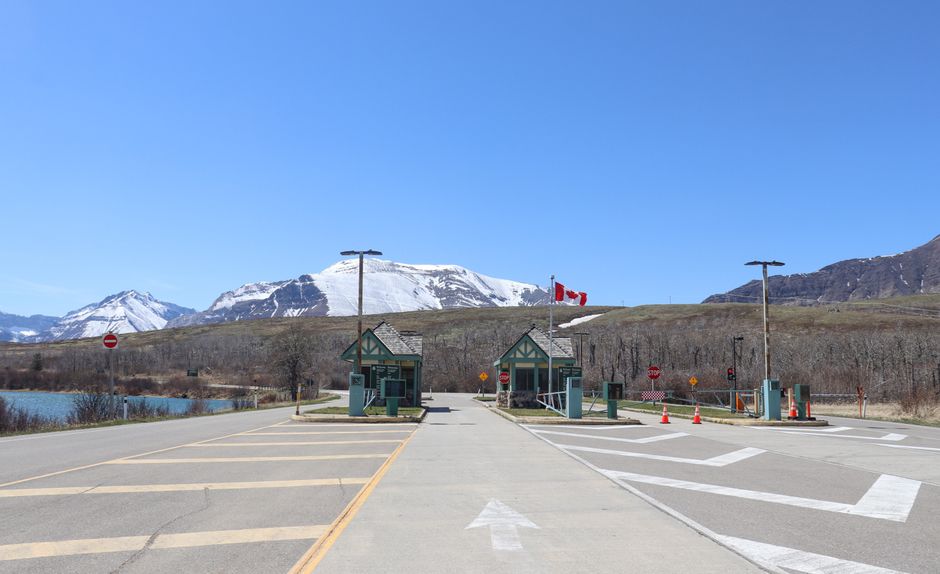
Picture the arithmetic. You enter on 1 June 2026, spend 60 days that summer, drive to Vancouver for a week in August 2026, then re-enter. You have roughly 30 days left, not 90. The State Department’s Visa Waiver Program page sets out the admission terms, and our guide to the 90-day limit and stay rules explains why the count carries over. For the mechanics of crossing back in, the land border crossing guide walks through Canada and Mexico entries.
One detail saves grief. Keep your original I-94 admission in mind, because that record governs your departure date. Our guide to the I-94 arrival record shows how to check it.
How the 90-day count actually works
Your 90 days start at your first US entry and include side trips to contiguous territory. Days in Canada, Mexico, or the nearby islands don’t stop the clock; they count as part of the same period. Only a departure to a distant country can end the admission, and even then you aren’t guaranteed a new 90 days on return. Since 2025, officers have applied this continuous-presence idea strictly.

This is where the “adjacent islands” wording matters. Places like the Bahamas or the Caribbean count as neighbouring for this purpose, so a cruise to Nassau will not buy you extra time. The official visitor visa page frames the admission as a single visit. If you need more than three months, the honest route is a proper visa, not a reset trick; our ESTA versus B1/B2 visa guide compares the options.
- Count from your first entry. The 90 days start the day you are admitted, not each re-entry.
- Add neighbouring-country days. Canada, Mexico, and adjacent islands are inside the same window.
- Do not plan on a reset. Assume the clock keeps running unless you leave the region entirely.
When leaving the region might restart the clock
A genuine trip home, or to any country beyond North America and its nearby islands, ends your admission. On your next US entry you may receive a fresh 90 days, but the officer decides. Back-to-back visits that add up to near-permanent residence get refused, whatever the paperwork. The system rewards real visits, not engineered resets. Distance alone does not entitle you to a new clock.

Discretion is the key word. Fly from Los Angeles to London, spend three weeks, and return, and you will likely be admitted afresh. Fly to Tijuana for an afternoon to dodge the limit, and you will not. Consider Anaïs, a French designer who spent 80 days in 2026, popped to Cancún for two days, and was told at re-entry she had 10 days left, not 90. She had misread the rule. Our multiple-entry guide explains how repeat trips are judged, and the overstay consequences guide shows what is at stake if the maths goes wrong.
| Trip type | Effect on the 90 days |
|---|---|
| Weekend in Canada or Mexico | No reset, days keep counting |
| Cruise to adjacent islands | No reset, counts as continuous |
| Several weeks back home | May restart, officer decides |
How to avoid an accidental overstay
Track your entry date, count Canada and Mexico days as US days, and plan to leave the region before day 90. If you need longer, apply for a visa rather than gamble on a reset. Keep proof of your movements, since the I-94 record, not your memory, is what officers check. Careful counting beats a border argument every time.

Practical habits help. Note your admission date the moment you land, and set a reminder for day 75 to plan your exit, well before the 90-day mark in 2026. The processing time guide helps if you need a fresh ESTA for a genuinely separate future trip, and the two-year validity guide confirms the same authorization covers all your visits until it expires. Budgeting a longer North American trip? The USA travel budget guide helps you plan the costs.
Worried your itinerary bumps against the 90-day line? You do not have to work it out alone. Our team can review your travel dates and prepare your ESTA so nothing trips you up at the border. We handle the authorization, not your route, and we are an independent assistance service, not a government office.
Does your ESTA itself change on re-entry?
No. Your ESTA is unaffected by side trips; it stays valid for two years and the $40.27 fee, unchanged in 2026, is paid once. What changes is the admission period the officer grants each time you enter. A neighbouring-country hop does not renew that period, and it certainly does not renew or reset your ESTA. The document and the day count are separate things. Keep the two ideas apart and the rule makes sense.
The authorization stays valid, so you don’t re-apply after visiting Canada. The official ESTA fee page confirms the single charge, and the official fee amount explainer covers what it buys. For longer stays, the official business visa pages and the wider US visas overview set out the alternatives. You can apply directly at esta.cbp.dhs.gov, or let us prepare it for you.
One last point before the FAQ: neighbouring-country trips are for sightseeing, not for buying time. Count every day, plan your exit, and the 90-day rule stays simple.
Frequently Asked Questions
Will visiting Canada give me a new 90 days on my ESTA?
No. Time in Canada, Mexico, and adjacent islands counts toward your original 90-day admission. You return for the days you had left, not a new three months, so a border hop cannot reset the clock.
Do days in Mexico count against my 90-day limit?
Yes. Mexico is treated as neighbouring territory, so days there are folded into the same admission. A weekend across the border does not pause or extend your allowance.
Can a cruise to the Caribbean reset the clock?
No. The adjacent islands count as continuous with your US stay. A short cruise does not restart your 90 days; you resume the remaining balance when you return.
When might I get a fresh 90 days?
After a genuine trip outside North America and the adjacent islands. Even then, the officer decides on re-entry, and visits that resemble living in the US are refused.
Does leaving the US re-apply or renew my ESTA?
No. Your ESTA lasts two years regardless of trips. Only the admission period the officer grants changes; the authorization and the $40.27 fee stay the same.
How do I check how many days I have left?
Look at your I-94 arrival record, which shows your admitted-until date. Count Canada and Mexico days as US days, and plan to leave the region before that date.
What happens if I overstay by miscounting?
Overstaying can trigger future travel bars and ESTA refusals. If your maths is tight, leave early or apply for a visa rather than risk exceeding the 90-day limit.
About the author. Daniel Whitfield has written about US travel authorization and the Visa Waiver Program since 2016. He has guided thousands of first-time and repeat visitors — families, retirees, and frequent flyers — through the ESTA form field by field. Every guide is checked against official US government sources before publication.
This site is an independent assistance service, not a government body. You can apply directly at the official website, esta.cbp.dhs.gov, or use our check-and-file support if you would rather not do it alone.
Last updated: 2026-07-12 — verified against official US government sources.
