Taking a private jet to the USA does not automatically let you use an ESTA. Visa-free entry only works when the aircraft operator has signed an agreement with US authorities as a signatory carrier. If your private flight’s operator is not one, you need a B-1/B-2 visa instead, whatever your nationality. Here is how the rule works and how to check your operator before you board.
TL;DR: Your ESTA is valid only if your charter or business jet operator is a Visa Waiver “signatory carrier”. Most scheduled airlines qualify; many private operators do not. If yours hasn’t signed, the $40 ESTA is no good to you and you’ll need a visa. Confirm the operator’s status before the flight, not at the ramp.
| Quick Facts: private jets and ESTA | Detail |
|---|---|
| ESTA valid on any private jet? | No — operator must be signatory |
| Non-signatory flight | Visa required, not ESTA |
| Who confirms status | The aircraft operator |
| ESTA fee (2025 onward) | $40 per applicant |
| Extra filing | eAPIS manifest for private aircraft |
| Arrival airport | Must have CBP clearance |
Key facts before you charter:
- Visa-free entry requires arrival with a carrier that has signed a DHS agreement (USA.gov Visa Waiver Program).
- Many charter and fractional operators are signatories; smaller private flights often are not.
- If the operator hasn’t signed, every passenger needs a visa, whatever their nationality.
- The ESTA fee is $40.27 (in force since 1 January 2026 and subject to annual adjustment), but it is wasted if the carrier does not qualify.
- Private aircraft must file passenger data in advance and land where CBP can clear them.
Do you need an ESTA to fly privately into the United States?
It depends entirely on who operates the aircraft. If the charter company has signed the agreement, your ESTA is valid and you board like any Visa Waiver traveller. If it has not, the authorisation is useless and you must apply for a visitor visa well ahead of the trip.

One $40 ESTA in 2026 is simply wasted on a non-signatory jet, so the check matters. The passenger rule is simple; the carrier rule is the catch. An ESTA authorises you to travel visa-free, but that permission only takes effect on an aircraft whose operator signed the Visa Waiver agreement. Scheduled airlines almost all qualify, which is why nobody thinks about it on a commercial ticket. Charter and business jets are a mixed bag. Start with our overview of who needs an ESTA and the full ESTA requirements.
Consider Daniel, a Munich executive chartering a jet to a New York board meeting. His passport and nationality qualified for the waiver, yet the small operator had never signed the agreement. He needed a B-1 visitor visa, booked weeks ahead, despite holding a valid ESTA. The UK government’s USA entry rules flag the same carrier condition.
Signatory versus non-signatory carriers explained
A signatory carrier is an airline or operator that has signed a formal agreement with US authorities to carry Visa Waiver passengers. Non-signatories have no such agreement, and your ESTA only works when you travel with a signatory. The contract is between the operator and the government, so a passenger cannot arrange or override it.

More than 40 countries qualify for the waiver in 2026, yet that alone never guarantees a private flight will accept your ESTA. Think of the signatory list as an approved-transport register. When a carrier signs, it agrees to check ESTA status and follow the rules for visa-free arrivals. Commercial airlines join as a matter of course. A private operator only appears if it chose to sign, and plenty never bother because their clients often travel on visas anyway. To see how nationalities map to the wider scheme, read our list of Visa Waiver countries. The distinction between an ESTA and a visa is set out in ESTA vs the US visa.
Ask the operator directly, in writing. A reputable charter desk will confirm its signatory status in minutes, because they field this question often. If the answer is no, or vague, treat it as a no and plan for a visa. The government’s USA.gov visas overview is the reference point for that route.
When your ESTA works on a private flight
Your ESTA works on a private flight when the aircraft operator has signed the Visa Waiver agreement and you meet the usual conditions: an e-passport, an approved ESTA, and a stay under 90 days. In that case a business jet is treated exactly like a commercial seat for entry purposes, and you clear the border the same way.

Larger charter brands and fractional-ownership programmes frequently hold signatory status, so their clients ride on an ESTA without fuss. You still need the usual paperwork: a chip passport, covered by our e-passport guide, and an approved authorisation, timed using our processing time guide. Business travellers should also confirm their planned activities are allowed, which our business traveller guide and meeting and conference guide both cover.
The 90-day stay in 2026 is unchanged by a private cabin, and a signatory charter clears the same way as a scheduled seat. A wedding party once chartered a signatory jet from Dublin to Miami for a beach ceremony. Every guest held an ESTA, the operator had signed, and they cleared customs as smoothly as any airline passenger. The private cabin changed the comfort, not the immigration rules.
When you need a visa instead of an ESTA
If a non-signatory operator runs your private flight, you need a B-1/B-2 visa, not an ESTA. Your passport may be perfect and your ESTA approved, but neither helps in that case. Getting the visa means an online form, a fee well above $40, and an embassy interview booked in advance.

Plan for the time as well as the cost. The visa has its own application fee, and additional visa-related fees may also apply. That makes it more expensive than the $40.62 ESTA that applies from 16 October 2026. A visa appointment can take weeks to get, so a last-minute charter with a non-signatory operator can leave you stranded. The comparison in ESTA vs the B-1/B-2 visa shows the trade-offs, and ESTA cost shows the price gap. An ESTA you have already paid for is not refundable even if the operator does not qualify, so check the operator first. For other ways in, our guides on land border crossings and cruise arrivals explain how the carrier rule changes by mode of travel.
Extra rules for private aircraft arrivals
Private aircraft face rules beyond the passenger’s ESTA: the operator must file an electronic passenger manifest before departure, give US authorities advance notice, and land at an airport where border officers can clear the flight. These duties fall on the crew and operator, but they affect where and when you can arrive.
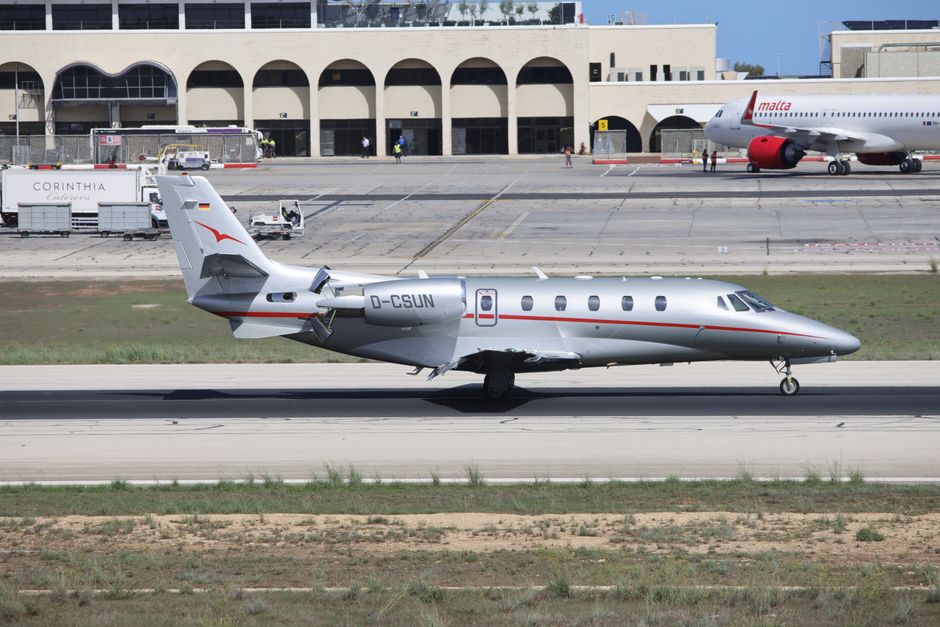
Here is what happens behind the scenes on a compliant private arrival:
- Manifest filing. The operator submits passenger and crew details through the electronic system before wheels-up.
- Advance notice. Arrival time and airport are declared to US border authorities ahead of landing.
- Approved airport. The jet lands where CBP can inspect it, not just any runway.
- Passenger clearance. Each traveller is checked: on an ESTA when the operator qualifies, on a visa when it does not.
General-aviation procedures sit alongside immigration rules, and the FAA and border authorities coordinate on where private flights may touch down. The USA.gov guide to entering the United States confirms that a border officer makes the final admission decision, private cabin or not. For the authorisation itself, start with our ESTA application guide.
Pro tip: Get the operator’s signatory status in writing before you pay for anything. A one-line email confirmation can save you from buying a $40 ESTA that turns out to be worthless, or from discovering at the ramp that you needed a visa all along.
Before your private flight to the USA, get the operator’s signatory status confirmed in writing. That one step decides whether you travel on an ESTA or a visa. Not sure which route fits your charter? We can check your ESTA eligibility and flag when a visa is the safer path, so a carrier technicality does not derail the trip. We are an independent travel-assistance service, not a government agency, and you can apply directly on the official CBP site if you prefer.
Frequently Asked Questions
Do I need an ESTA to fly privately into the United States?
Only when the charter company has joined the agreement. In that case your ESTA is valid. Otherwise the ESTA does not work and you need a US visitor visa, regardless of your nationality.
What is a signatory carrier?
An approved operator is an airline or air-charter company that has joined a formal agreement with US authorities to carry Visa Waiver passengers. Only travel on such an operator lets an ESTA function. Most scheduled airlines qualify; many private ones do not.
How do I check if my charter operator is a signatory?
Ask the operator directly and in writing. A reputable charter desk answers quickly because clients ask often. If the reply is no or unclear, treat it as a no and arrange a visitor visa well before your planned trip to the US.
Can I use my approved ESTA on a non-signatory flight?
No. An approved ESTA has no effect aboard an aircraft run by a non-signatory. It only counts if the carrier has signed the agreement. You would need a valid visa to board, even though your ESTA and passport are otherwise in order.
Is the ESTA fee refundable if I cannot use it?
No. The $40 ESTA fee is non-refundable once processed, even if a non-signatory operator means you cannot use it. This is why confirming the carrier’s status before you apply and pay is the sensible first step for any private flight.
Do private aircraft have extra US arrival requirements?
Yes. Operators must file an electronic passenger manifest, give advance notice, and land at an airport where border officers can clear the flight. These duties fall on the crew, but they shape where and when your private aircraft can arrive.
Does flying private change my 90-day limit?
No. The 90-day maximum stay under the Visa Waiver Program applies however you arrive. A private jet does not extend it. If you need longer, a different visa category is required, not an ESTA, whatever the aircraft.
Related reading
Last updated: 2026-08-13 — verified against the CBP ESTA fee schedule.