
On the current ESTA form, the social media question is optional. In December 2025 CBP proposed making five years of social media identifiers mandatory, but that proposal is not in force. The change has raised privacy questions in Europe and beyond, so in this guide we explain what the form asks today, what the proposal would change, how CBP may use social media information, and what the published privacy rules say.
Plenty of applicants worry about how CBP actually uses that data. Knowing the exact requirements up front helps you prepare your application and protect your privacy.
What Is the ESTA Social Media Review Requirement?
CBP added a social media question to the ESTA form in 2016 as an optional data field. It remains optional on the live form. On 10 December 2025 CBP published a Federal Register notice proposing that “ESTA applicants provide their social media from the last 5 years” as a mandatory data element. The public comment period closed on 9 February 2026, and the U.S. Embassy in France has confirmed that the requirement is not yet in effect.
If you choose to fill in the optional field, you can list accounts on platforms such as:
- Facebook, Instagram, Twitter (X), TikTok, YouTube
- LinkedIn, Snapchat, Reddit, WhatsApp, Telegram
- Weibo (China), WeChat (China), Line (Japan), and other regional platforms
The DHS system of records notice for ESTA lists “social media identifiers, such as username(s) and platforms used” and “publicly available information from social media websites or platforms” among the information CBP may hold, and allows publicly available social media information to be used when assessing eligibility. CBP has not published specific criteria for what it treats as a concern.
5-Year Social Media History: What the Proposal Would Change
Under the December 2025 proposal, every applicant would have to provide the social media identifiers they have used in the last five years. Until CBP announces implementation in the Federal Register, this does not apply.
Whether you answer the optional question today or a mandatory one in future, be truthful. Giving false information on an ESTA application can lead to refusal. The table below summarises the difference:
| Aspect | Current ESTA form | December 2025 proposal (not in force) |
|---|---|---|
| Social media question | Optional | Mandatory |
| Time period | Not specified | Last 5 years |
| Details requested | Platform and username | Social media identifiers used in the last 5 years |
| Use of public information | Permitted under the ESTA system of records notice | Permitted under the ESTA system of records notice |
| Status | In force | Comment period closed 9 February 2026; not implemented |
CBP has not set out publicly how individual posts are weighed, so it is sensible to keep your answers consistent with the rest of your application and your travel plans.
Which Platforms Are Checked and What Are the Red Flags?
CBP has not published a list of platforms it checks or of the content it treats as a red flag. What is published is the purpose: ESTA information, including publicly available social media information, is used to decide whether a traveller is eligible under the Visa Waiver Program and whether they pose a law enforcement or security risk, according to the ESTA system of records notice.
In practical terms, the eligibility questions on the form already cover the issues that can make someone ineligible, including:
- Involvement in terrorist activities, espionage, sabotage or genocide
- Criminal convictions and drug offences
- Fraud or misrepresentation to obtain a visa or entry
- Previous overstays or unauthorised work in the United States
- Previous visa refusals or refused entry
- Travel to certain restricted countries
- Inconsistencies between your answers and other records
Ordinary personal posts and lawful opinions are not listed anywhere as grounds for refusal. The decision on each application, however, rests with CBP.

Privacy Implications of the ESTA Media Review
The proposal to make social media mandatory drew public comments during the consultation, including from travellers concerned about privacy. The published rules on what happens to ESTA data are set out in the ESTA system of records notice:
- An application generally becomes inactive two years after approval; information is retained for one year after the authorisation expires and then archived for 12 years
- Records linked to law enforcement activity remain accessible for the life of that activity
- Data may be shared under published “routine uses”, including with federal, state, local, international or foreign law enforcement and counter-terrorism bodies
- Questions about personal data can be sent to the DHS Privacy Office
For EU travellers, data protection questions about transfers to the United States are a matter for EU and national data protection authorities. On the ESTA form as it stands, the social media field is optional.
Can You Refuse the Social Media Review Requirement?
On the current form, yes: the social media question is optional, so you can leave it blank and still submit your application. If CBP’s proposal is implemented, the question would become mandatory, and CBP has said any such change will be announced in the Federal Register first.
If you prefer to apply for a visitor visa instead, note that:
- Visa applications have their own questions, set out in the DS-160 form guidance
- The process usually includes an interview at a U.S. embassy or consulate
- Appointment waiting times vary by embassy
- The visitor visa fee is $185, according to the State Department, compared with $40.62 for an ESTA since 16 October 2026 (91 FR 62534)
For most Visa Waiver Program travellers, the ESTA remains the quicker and cheaper route.
Impact on ESTA Approval Rates and Application Outcomes
CBP does not publish statistics on refusals linked to social media, and the mandatory requirement has not been implemented. What can be said is that refusals follow from the eligibility grounds set out in law, not from the optional social media field on its own.
Common causes of problems with any ESTA application include:
- Giving false or inconsistent information
- Errors in passport details
- A “yes” answer to one of the eligibility questions
- Information held by CBP that conflicts with your answers
If you believe your application was refused because of incorrect records, you can contact the DHS Traveler Redress Inquiry Program (DHS TRIP).
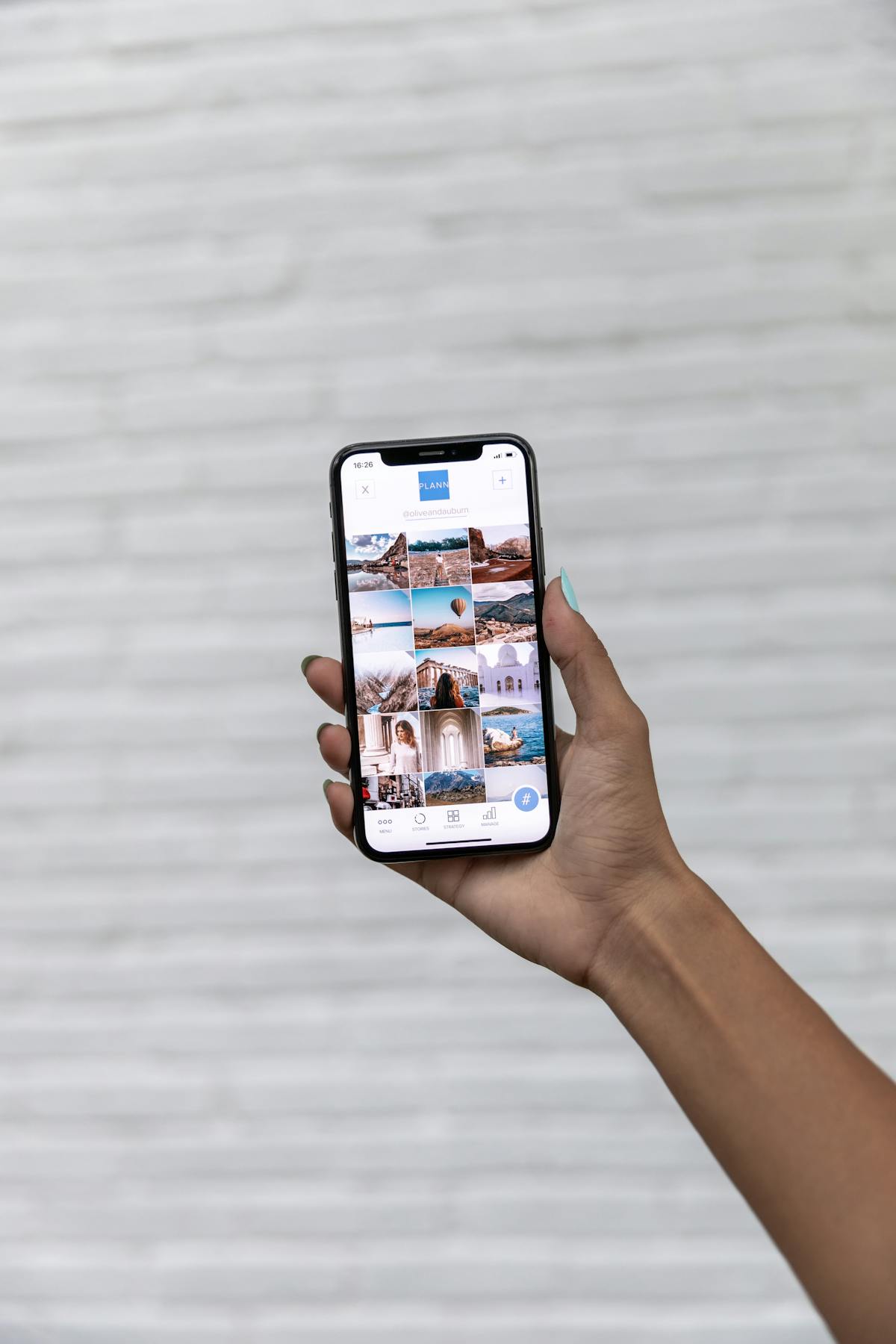
Legal Status and Future of the Requirement
The mandatory social media proposal went through a 60-day public comment period that ended on 9 February 2026. According to the U.S. Embassy in France, the next steps are a review of the comments, a further 30-day notice in the Federal Register and review by the Office of Management and Budget before any implementation.
The key points to remember:
- The social media question on the live ESTA form is optional
- The five-year mandatory version is a proposal, not a rule in force
- Any change will be published in the Federal Register before it applies
- Until then, travellers should follow the existing ESTA procedures
FAQ on ESTA Social Media Review and Privacy
Do I have to disclose my social media accounts for ESTA?
No, not at present. The social media question on the ESTA form is optional. CBP proposed making it mandatory in December 2025, but that change is not in effect.
How far back does CBP check my social media history?
The current optional question does not set a time period. The December 2025 proposal would require social media identifiers used in the last five years.
What if I deleted my social media accounts before applying?
On the current form the question is optional. If you choose to answer it, answer truthfully about the accounts you use.
Can CBP deny my ESTA based on political posts?
CBP decides eligibility on the grounds set out in the eligibility questions, such as involvement in terrorism or criminal activity. Ordinary lawful opinions are not listed as a ground for refusal.
How is my social media data stored and for how long?
Under the ESTA system of records notice, ESTA information is generally kept for 3 years active and 12 years archived, and longer if linked to law enforcement activity. It may be shared under published routine uses.
What’s the difference between ESTA and B-visa social media requirements?
They are separate processes with separate forms. Visa applicants should check the State Department’s DS-160 guidance for the questions that apply to them.
Is there any way to keep my social media private from CBP?
On the current ESTA form the social media question is optional. The ESTA system of records notice covers publicly available social media information.
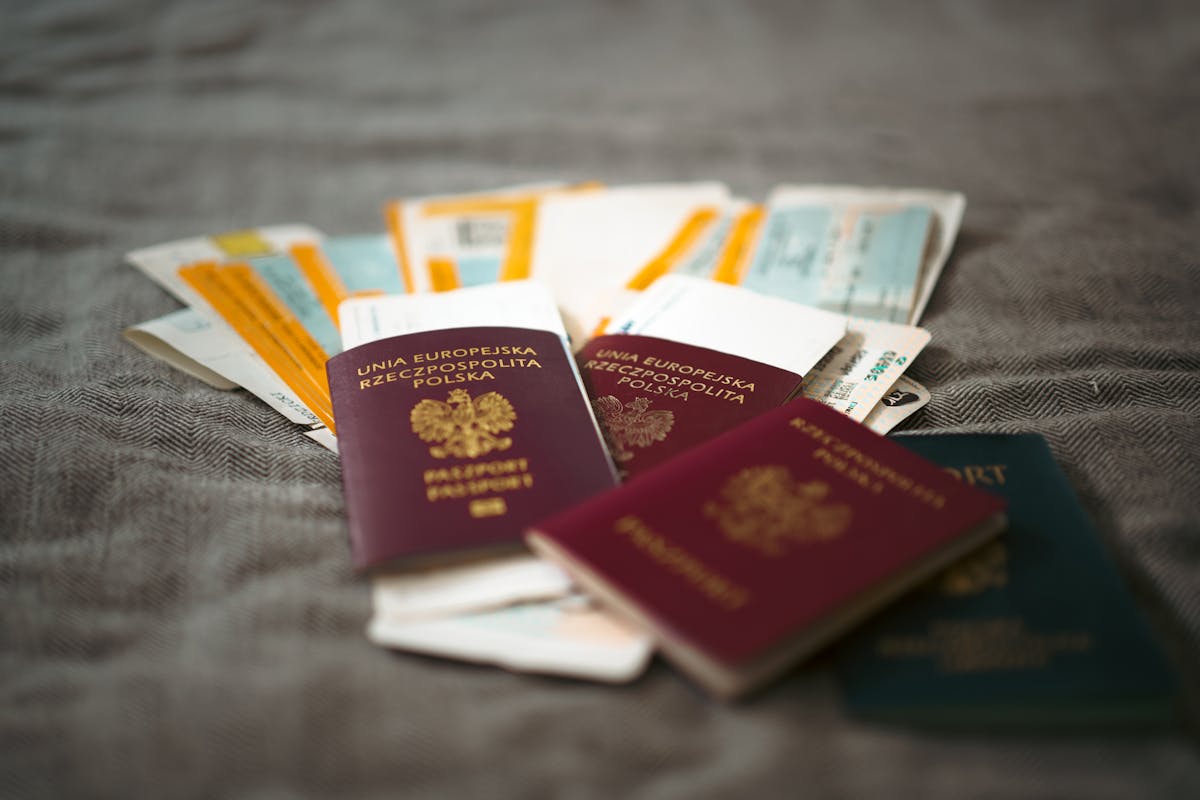
Summary: Your 2026 ESTA media review Guide
The social media question on the ESTA form is optional today, and CBP’s proposal to require five years of social media history has not been implemented. Any change will be announced in the Federal Register first. First-time applicant or renewing your authorisation—either way, staying current on the latest requirements is essential.
For additional information about ESTA requirements, application procedures, and travel tips, explore our comprehensive guides on ESTA requirements, application guidance, and ESTA costs. For questions about your eligibility or specific circumstances, consult the official CBP website at cbp.gov.
Related ESTA and USA Travel Guides
For additional context on ESTA, the Visa Waiver Program, and practical US travel tips, explore these related guides from our library. Each one adds country-specific details, process walkthroughs, and cost breakdowns to what you’ve read here.
- Monaco ESTA requirements
- Swedish ESTA information
- Slovenian ESTA requirements
- Luxembourg ESTA information
- ESTA vs US visa comparison
- Swiss ESTA requirements
- Greek ESTA guide
- Estonian ESTA information
Last updated: October 2026. Information verified against official US Department of State and DHS sources.