


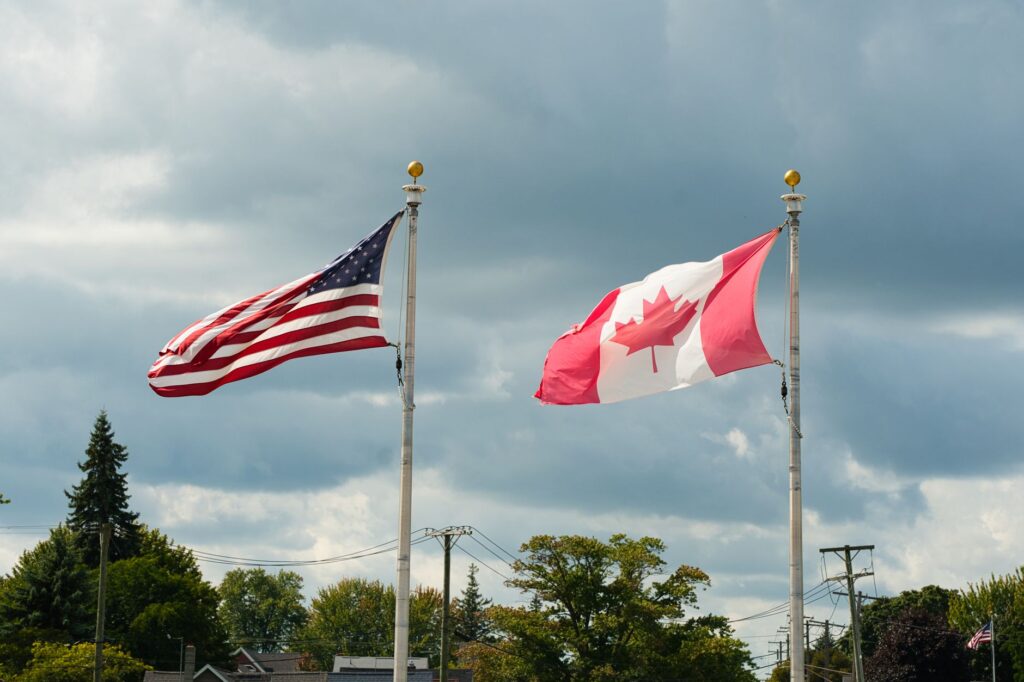
Canadian citizens do not need an ESTA to visit the United States. Canada does not belong to the Visa Waiver Program, and the ESTA system was built only for travelers who enter under that program. Canadians are treated differently at the border, and this guide explains exactly what they need instead — and the handful of cases where the answer changes. So do Canadians need an ESTA at all? For an ordinary visit, the answer is no.
TL;DR
- Canadian citizens do not apply for an ESTA — Canada sits outside the visa-waiver scheme.
- A current Canadian passport is normally enough to enter the US for tourism or business.
- Canadians can usually stay up to six months, longer than the 90-day ESTA limit.
- The $40 ESTA fee does not apply to you, though a land-border charge can apply.
- Dual nationals and Canadian permanent residents follow different rules — see below.

| Quick Facts | For Canadian citizens |
|---|---|
| ESTA needed? | No — Canada sits outside the VWP |
| Document required | Valid Canadian passport |
| Typical stay allowed | Up to 6 months |
| ESTA fee ($40) applies? | No |
| Possible fee | Land-border I-94 charge in some cases |
Wondering how this fits the wider rules? Our ESTA requirements guide and the list of ESTA-eligible countries both show why Canadians sit outside the program.
Do Canadians need an ESTA for the USA?
No. Canadians do not need an ESTA because Canada is not a Visa Waiver Program member, and the ESTA is issued only to citizens of the 40-plus countries in that program. A Canadian traveler shows a valid passport and is inspected by a border officer on arrival. There is no online travel authorization to buy, no application form, and no $40 charge for the trip itself.
This trips up a lot of first-time travelers. They read that most visitors need an ESTA, assume the rule is universal, and start filling in a form they will never use. If you hold a Canadian passport, close that tab. The ESTA belongs to a separate group of travelers, described on the official Department of State visa-waiver page. Want the full picture of who the rule actually covers? Read who needs an ESTA in 2026.
Why Canada is not in the Visa Waiver Program
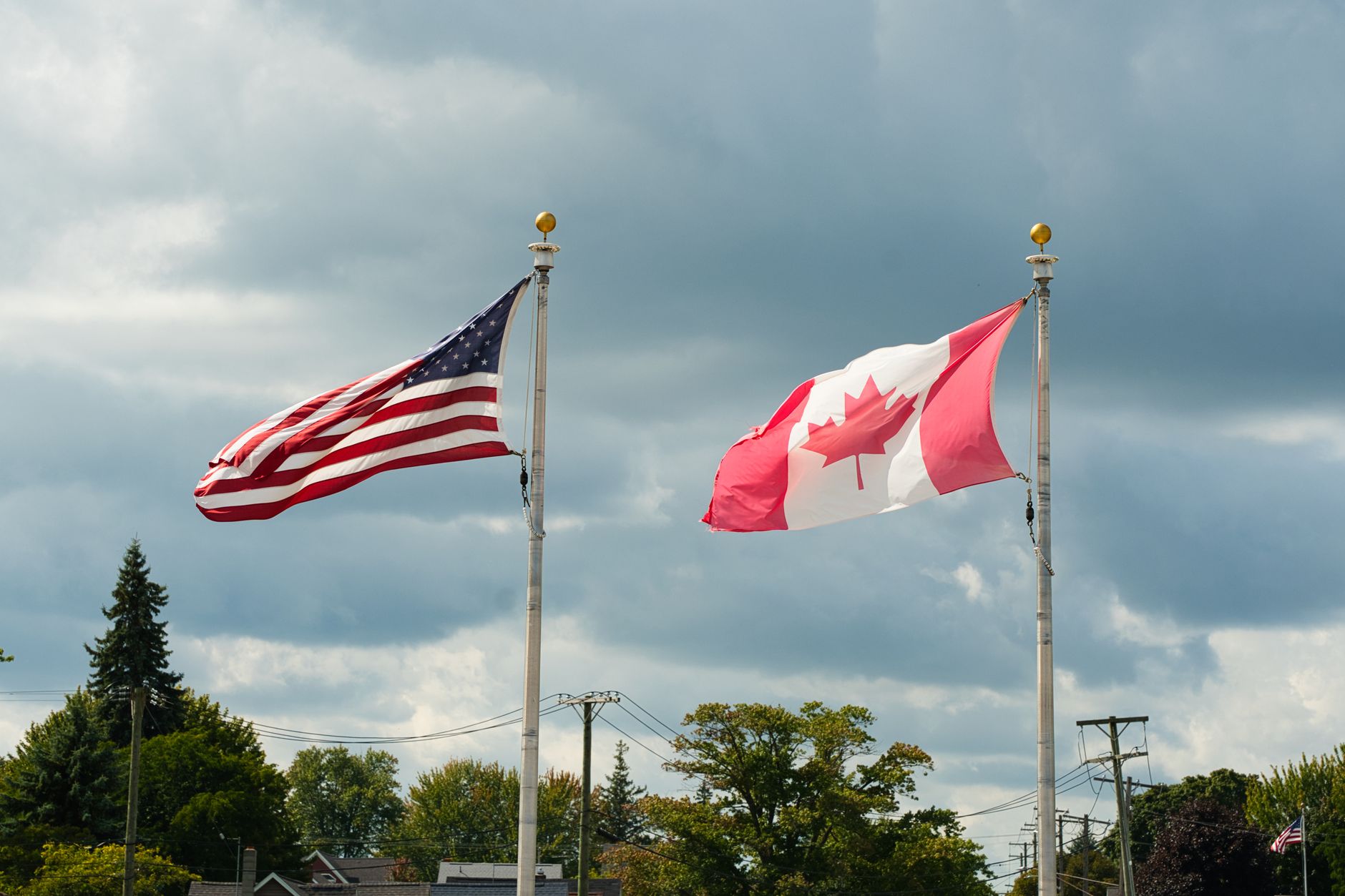
Canada sits outside the Visa Waiver Program because it already has its own long-standing visa-free arrangement with the United States, one that predates the ESTA by decades. The two countries share the world’s longest undefended border, and Canadian citizens have been admitted to the US without a visa since well before the program launched in 1986. Adding Canada to the VWP would simply duplicate a system that works.
That scheme was designed for overseas travelers — people flying in from Europe, parts of Asia, and a few other regions. As of 2026 it covers more than 40 countries, and every one of them must hold an approved ESTA before boarding, as confirmed by US Customs and Border Protection. Canada has never appeared on that roster. In practice, the result is simple: fewer steps, no fee, and often a longer permitted stay.
Pro tip: Keep your Canadian passport valid for the whole trip. Unlike some countries, Canada escapes the “six-month passport validity” rule for US entry, but airlines and officers still expect a passport that has not expired.
What Canadians need to enter the US instead
Canadians need a current passport, an honest answer about the purpose of their trip, and — for some land arrivals — a small I-94 fee, but never an ESTA. For air travel, a passport is the standard document. Border officers decide admission at the port of entry and record how long you may stay, so keep proof of your plans handy.
- Carry a current Canadian passport. This is your main travel document for flights to the US.
- Know your trip details. Be ready to explain why you are visiting, where you will stay, and when you leave.
- Expect an I-94 record. Air arrivals get one automatically; some land crossings require a paper I-94 and a small charge, explained in the official CBP I-94 instructions.
Our guide to the I-94 record shows how to check your admission details after you arrive. If you are comparing routes, the land-border crossing guide covers driving across from Ontario or Quebec.
Land, air and sea: how entry differs for Canadians
How you travel changes the paperwork: air arrivals get an electronic I-94 free of charge, land crossings may involve a paper I-94 and a small charge, and cruise passengers follow the rules of their departure port. None of these routes involves an ESTA for a Canadian traveler. The differences are small, but they matter if you want to avoid a surprise at the counter.
| Route | Document | ESTA? | Likely fee |
|---|---|---|---|
| By air | Passport | No | None for entry |
| By land (car, bus) | Passport or approved travel card | No | Possible I-94 fee |
| By sea (cruise) | Passport | No | Depends on itinerary |
Picture a family driving from Toronto to Buffalo for a weekend. They reach the crossing, hand over four passports, answer a couple of questions, and pay a modest land-border charge if one applies. No one on that trip touches an ESTA form. A flight from Vancouver to Los Angeles is even simpler — passport, inspection, done.
Not sure whether to handle the details yourself? You can enter the US directly with your Canadian passport, or lean on our team to check your documents and answer your questions before you travel. We are an independent assistance service, not a government agency, so we can guide you without pretending to be an official border authority.
Canadian permanent residents and dual citizens: when ESTA or a visa applies
The answer flips for people who live in Canada but hold a different citizenship: a permanent resident who carries a non-VWP passport usually needs a US visa, while someone holding a VWP passport needs an ESTA rather than the visa-free Canadian route. Citizenship, not your address, drives the rule here.
Say you live in Montreal on a Canadian PR card but travel on an Indian or Chinese passport. You are not a Canadian citizen, so the visa-free path is closed and you would apply for a B1/B2 visa. Now flip it: a French or German citizen living in Canada would need an ESTA through the official CBP portal, because their passport is a VWP passport. Dual citizens of Canada and a VWP country can simply travel as Canadians. Our dual-citizen ESTA guide and the permanent residents guide walk through these combinations.

Costs: what Canadians pay versus the $40 ESTA
Canadian citizens skip the $40 ESTA fee entirely, though a land-border I-94 can carry a separate charge and any US visa needed by non-citizens costs far more. The ESTA fee rose to $40 on 30 September 2025, up from $21, but that number is irrelevant to a Canadian traveler because the authorization does not apply.
Here is the money picture in plain terms. An ESTA for a VWP traveler is $40 and lasts two years, per CBP. A Canadian flying in pays nothing for entry. A Canadian driving across might pay a small I-94 fee. And a Canadian PR on a non-VWP passport faces a B1/B2 visa fee that runs well into three figures. Compare the routes in our ESTA versus US visa breakdown, or check current ESTA pricing on our ESTA cost page.
Speeding up the border: NEXUS and Global Entry
Frequent Canadian travelers can cut wait times with NEXUS or Global Entry, trusted-traveler programs that let pre-approved visitors use dedicated lanes and kiosks at major crossings and airports. Neither program is an ESTA, and neither is required — they are optional upgrades for people who cross often.
NEXUS is the natural pick for the Canada-US border. In 2026 it costs $120 for five years, per the official CBP NEXUS page — cheaper than repeatedly losing an hour at Pearson or the Peace Bridge, and it also grants Global Entry benefits for air arrivals. For a first, one-off visit, though, you can skip all of this: passport, honest answers at inspection, and you are through. Remember that an approved authorization never guarantees entry; officers rule on admissibility at the port, as the CBP visa-waiver and ESTA FAQ spells out.

Before you head to the airport or the border, double-check one thing: your citizenship, not just where you live. That single detail decides whether you walk through visa-free, apply for an ESTA, or book a visa appointment. If your status changed recently — a new passport, a second nationality, a move — treat this trip as a fresh check rather than assuming last year’s route still fits. A quick review before you leave beats a refused boarding.
Bottom line
For a Canadian passport holder the answer stays firm: no ESTA, no online form, no $40 fee — just a valid passport and a straightforward inspection at the port of entry. The ESTA is a Visa Waiver Program tool, and Canada has always been outside that program. If you are a dual national or a permanent resident on another country’s passport, check your specific case first, because that is where the rule shifts.
Still asking do Canadians need an ESTA in an unusual situation? Start with our ESTA requirements guide, confirm your eligibility against the official Visa Waiver Program rules, and — if you do turn out to need one — walk through every field with our ESTA application guide. You can also check an existing ESTA’s status at any time.
Frequently asked questions
Do Canadians need an ESTA to fly to the USA?
No. Canadian citizens fly to the US on a valid passport and are inspected on arrival. The ESTA is only for Visa Waiver Program nationals, and Canada is not in that program.
Can a Canadian apply for an ESTA anyway?
No. The ESTA system will not accept a Canadian passport, because eligibility is tied to VWP membership. Trying to apply wastes time; a passport is all you need for a visit.
How long can a Canadian citizen stay in the US?
Usually up to six months for tourism or business, which is longer than the 90-day cap that applies to ESTA travelers. The officer at the border sets your exact departure date.
Do Canadian permanent residents need an ESTA?
It depends on their citizenship. A PR holding a Visa Waiver Program passport needs an ESTA; a PR on a non-VWP passport needs a B1/B2 visa. The Canadian PR card alone does not grant visa-free entry.
Is there any fee for a Canadian entering the US?
There is no ESTA fee. Air entry is free, while some land crossings charge a small I-94 fee. A separate visa, if your citizenship requires one, has its own cost.
Do dual Canadian citizens need an ESTA?
A dual citizen of Canada and, say, the UK can simply travel as a Canadian and skip the ESTA. Present the Canadian passport and you follow the visa-free route.
What about children and infants from Canada?
Canadian children travel on their own passports, just like adults, and do not need an ESTA. Each child must have a valid passport, and consent documents help for a child traveling without both parents.