



The Visa Waiver Program (VWP) lets citizens of 41 eligible nations visit the United States without a traditional visa, provided they hold an approved ESTA (Electronic System for Travel Authorization). In 2026 that list stays put. Millions of travelers rely on it each year for tourism, business, and transit. Knowing whether your country is on the list — and what ESTA actually asks of you — saves time before you book. This guide names all 41 members, walks through the eligibility rules, and spells out what the program means for your trip. It also covers who joined recently, who has been dropped, and what could shift next.
European, Pacific, or Asian — checking your country’s status takes a minute with the list below. Let’s walk through every member and see how visa-free entry to the USA actually works.
What Is the Visa Waiver Program and How Does It Work?
The Visa Waiver Program is a set of bilateral agreements between the United States and partner countries. Citizens of those countries can enter without a standard visitor visa. Instead of applying for a B1/B2 visa at a US Embassy or Consulate, eligible travelers file an ESTA online. Approval clears you to stay up to 90 days per trip. That single change removes weeks of paperwork for millions of visitors a year.
Key features of the Visa Waiver Program include:
- ESTA requirement: $40.27 online application (not a visa)
- Processing: Approved within minutes to 72 hours
- Validity: ESTA valid for 2 years, permits unlimited 90-day visits
- No advance planning: Apply anytime, including same-day before travel (not recommended)
- Biometric requirements: Modern passport with biometric chip required
- Entry ports: Can enter via any US airport, seaport, or land border
The program covers tourists and business travelers alike, as long as you are not there to work or settle. Citizen of a member country planning a short trip? It almost certainly applies to you. The scheme dates back to 1986 and has grown steadily since, adding nations decade by decade.
Complete List of 41 Visa Waiver Program Countries in 2026
As of 2026, exactly 41 nations take part. The roster spans most developed economies across four regions. Scan the table below to confirm your country.
| European Nations (26) | Asia-Pacific (9) | Americas (3) | Middle East (3) |
|---|---|---|---|
| Austria, Belgium, Croatia, Cyprus, Czech Republic, Denmark, Estonia, Finland, France, Germany, Greece, Hungary, Iceland, Ireland, Italy, Latvia, Lithuania, Luxembourg, Malta, Monaco, Netherlands, Poland, Portugal, Slovakia, Slovenia, Spain, Sweden, Switzerland, United Kingdom, Liechtenstein, San Marino, Norway | Australia, Brunei, Japan, New Zealand, Singapore, South Korea, Taiwan, Thailand | Chile, Costa Rica, Panama | Israel, Saudi Arabia, United Arab Emirates |
Europe dominates the roster, a legacy of the program’s reach across the EU and EFTA. Asia brings major economies such as Japan and South Korea, alongside Australia. The three Western Hemisphere participants reflect close strategic ties with Washington.
European Nations in the Visa Waiver Program
Europe is the largest single block, with 26 of the 41 members. That density mirrors decades of travel and security cooperation with the US. The list covers every major EU state plus a handful of non-EU countries.
European members include:
- EU member states (24): Austria, Belgium, Croatia, Cyprus, Czech Republic, Denmark, Estonia, Finland, France, Germany, Greece, Hungary, Ireland, Italy, Latvia, Lithuania, Luxembourg, Malta, Netherlands, Poland, Portugal, Slovakia, Slovenia, Spain, Sweden
- EFTA nations (4): Iceland, Liechtenstein, Norway, Switzerland
- Other European nations (2): Monaco, San Marino

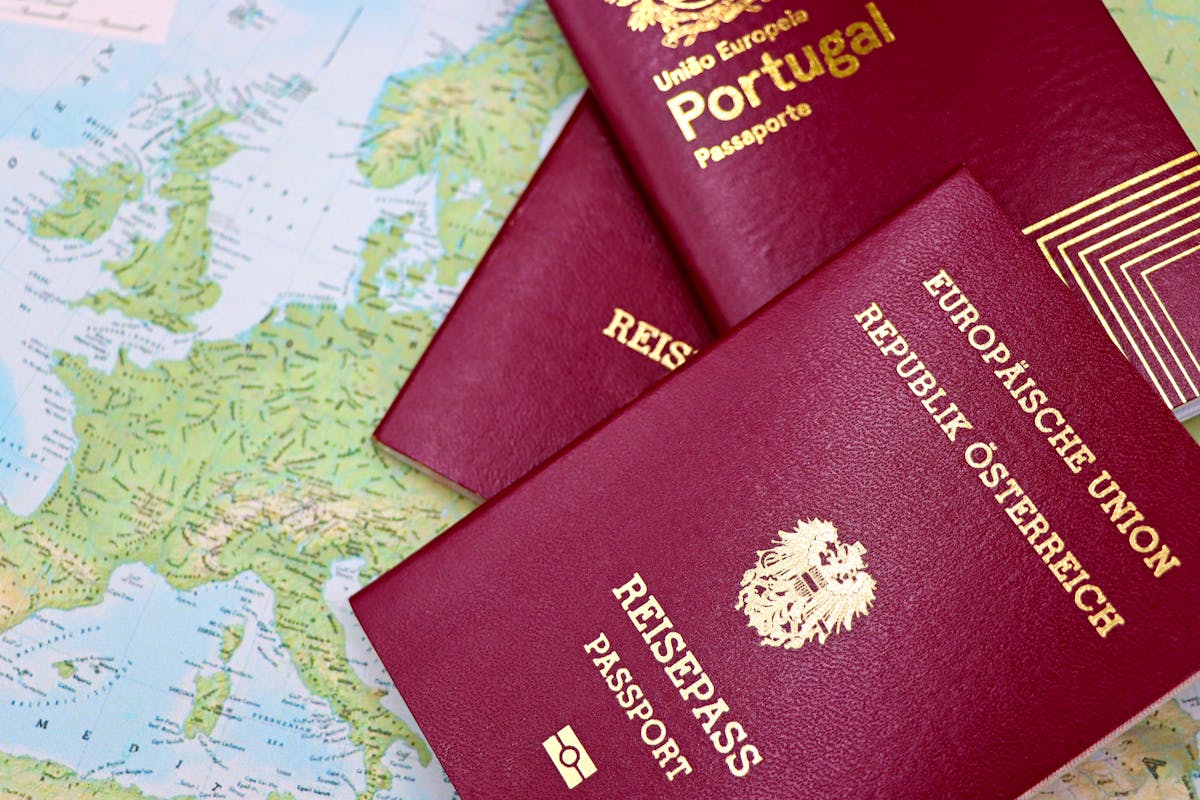
Hold a passport from any of these countries and you qualify automatically. You apply for ESTA, not a B1/B2 visa. Note the gaps: Russia, Ukraine, and Belarus are not members. Their citizens still need a standard visa to enter the USA.
Asian Nations and Oceania in the Visa Waiver Program
The Asia-Pacific region contributes 9 members, its most developed economies. Each holds close security and diplomatic ties with Washington. Here is the breakdown:
- East Asia (3): Japan, South Korea, Taiwan
- Southeast Asia (2): Brunei, Singapore, Thailand
- Oceania (2): Australia, New Zealand
Japan and South Korea send the largest numbers of ESTA travelers in Asia. Taiwan’s place on the list carries real diplomatic weight given China-US tensions. Australia and New Zealand have belonged for decades, a nod to shared history and defense ties. Big Southeast Asian nations — Malaysia, Indonesia, the Philippines, Vietnam — remain outside it, so their citizens apply for standard visas.
Americas Participants in the Visa Waiver Program
Just 3 members sit in the Western Hemisphere, despite the region’s closeness to the US. Proximity is not the deciding factor — the criteria are strict. The three are:
- Chile: South American nation with strong economic development and security partnerships
- Costa Rica: Central American nation known for political stability and tourism
- Panama: Central American nation with strategic importance and security agreements
Canada, Mexico, Brazil, and Argentina are all absent. Canada and Mexico run their own arrangements instead — the TN visa and the TIP visa. Brazilians and Argentines apply for standard B1/B2 visas. So Chile, Costa Rica, and Panama are the exception in the Americas, not the rule.
Middle East and Other Regions in the Visa Waiver Program
Three Middle Eastern countries take part, each a key strategic and economic partner. All three joined recently, a marker of shifting US priorities in the region. They are:
- Israel: Long-standing US ally with extensive security cooperation
- Saudi Arabia: Added in 2023, major energy and strategic partner
- United Arab Emirates: Added in 2023, emerging economic hub and security partner
Citizens of these three can travel on ESTA. Neighbors such as Egypt, Jordan, and Bahrain sit outside the program for now. Their nationals still need a B1/B2 visa to reach the US.
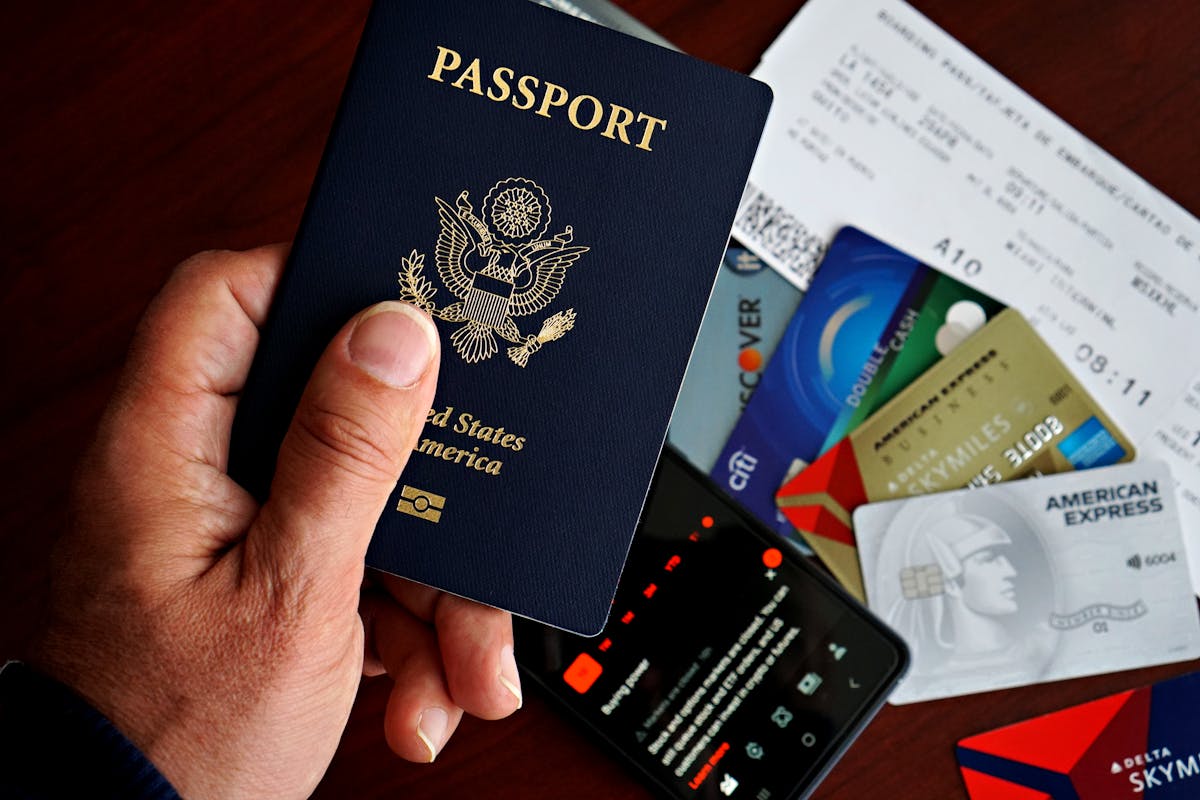
Visa Waiver Program Eligibility Requirements for Your Travel
Citizenship in a member country does not guarantee an approved ESTA. You still have to clear specific eligibility checks. Fall short on any of them and the application can be denied, member country or not:
- Valid biometric passport: Your passport must contain a biometric chip and be valid for at least 6 months beyond your planned stay
- Clean criminal record: No felony convictions or crimes of moral turpitude
- No previous immigration violations: No prior overstays, deportations, or visa denials
- No communicable diseases: No tuberculosis or other listed health conditions
- Clear security screening: No ties to terrorism or security concerns
- Honest application: Complete accuracy and no fraudulent information
- Purpose limitations: Visiting for tourism, business, or transit—not employment or residency
Membership is necessary but not sufficient. CBP reviews every application on its own merits. Even nationals of long-standing members get turned down when they do not qualify.
Dual Nationality and the Visa Waiver Program
Dual or multiple nationality adds a wrinkle. Hold one member passport and one non-member passport, and the details matter. Here is how that plays out for ESTA:
- Two or more member nationalities: You can apply on any of your qualifying passports
- One VWP nationality + one non-VWP nationality: You must use your VWP passport for US entry
- All non-VWP nationalities: You must apply for a standard visitor visa
- Renounced or declared other nationality: Your VWP status may be affected—disclosure required
With at least one qualifying nationality, you can apply on that passport. Declare every nationality you hold, though — leaving one off is a false statement. And travel on the member passport your ESTA is tied to.
Recent Additions to the Visa Waiver Program
The program has grown lately. The newest members signal changing US priorities and tighter security cooperation. The most recent arrivals:
- Saudi Arabia (2023): Added as part of US-Saudi strategic partnership strengthening
- United Arab Emirates (2023): Added recognizing UAE’s economic importance and security cooperation
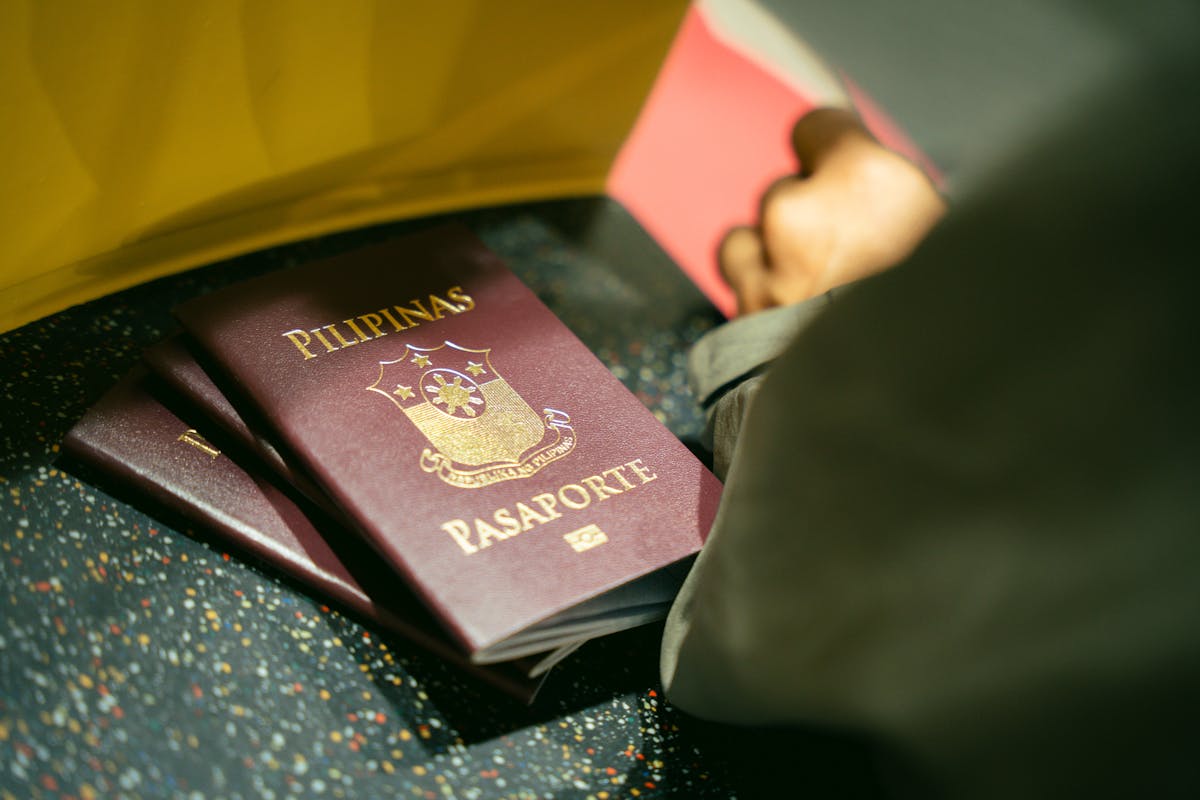
Both moves drew criticism, with some groups questioning the vetting standards applied. Still, Saudi Arabia and the UAE met the US-defined criteria. Their citizens now use ESTA on the same footing as older members.
Countries Removed from the Visa Waiver Program
Growth is only half the story — countries can be dropped, too. It happens when a nation stops meeting security or bilateral standards. Over past decades, removals have followed security or administrative concerns. The list is not fixed; it tracks US security assessments and diplomacy. No country has been cut in recent years, so today’s roster looks stable. That could change if the geopolitics do.
How the Visa Waiver Program Compares to Traditional Visas
ESTA and the traditional B1/B2 visa both get you into the US, but the process and rules diverge sharply. The comparison below shows which one fits your situation:
| Factor | Visa Waiver Program (ESTA) | B1/B2 Visa |
|---|---|---|
| Cost | $40.27 | $190+ |
| Processing time | Minutes to 72 hours | 7-60+ days |
| Interview required | No | Yes, in-person at embassy |
| Validity period | 2 years | 5-10 years |
| Stay duration per trip | Up to 90 days | Up to 6 months typically |
| Multiple entries | Unlimited within 2 years | Multiple entries (depends on visa type) |
| Work allowed | No | Limited work permitted in some cases |
For short tourism or business trips, ESTA is cheaper and far quicker. Need a longer stay, or have a complicated history? A B-visa may suit you better. And an ESTA refusal does not close the door — you can still pursue a consular B-visa instead.
Frequently Asked Questions About the Visa Waiver Program
Is my country in the Visa Waiver Program?
Check our complete list of 41 participating nations, which includes 26 European nations, 9 Asia-Pacific countries, 3 Americas nations, and 3 Middle Eastern countries.
What does Visa Waiver Program status mean for my travel?
It means you can visit the USA without obtaining a traditional visa, using ESTA instead for visa-free 90-day visits with a simple $40.27 online authorization.
Can a Visa Waiver Program country be removed?
Yes, countries can be removed if they no longer meet security or administrative standards, though no nations have been removed recently and the current list appears stable.
What if I’m from a non-Visa Waiver Program country?
You must apply for a traditional B1/B2 visitor visa through a U.S. Embassy or Consulate, which takes longer but allows you to visit the USA.
Can I use ESTA if I have dual nationality?
Yes, if one of your nationalities is from a Visa Waiver Program country. You must use that passport for US entry and disclose all nationalities on your application.
How often can I visit the USA under Visa Waiver Program ESTA?
Your single ESTA allows unlimited 90-day visits over 2 years, enabling you to enter and exit the USA as frequently as you wish.
Will new countries be added to the Visa Waiver Program?
The US evaluates new nations periodically and additions require meeting specific security, economic, and bilateral cooperation criteria, though no additions are currently announced for 2026.
What if my Visa Waiver Program ESTA is denied?
You can apply for a traditional B1/B2 visa instead, which provides a consular interview opportunity to explain your circumstances.
Summary: The Visa Waiver Program and Your US Travel
For citizens of 41 countries, the Visa Waiver Program turns a visa application into a short online form. If your country is on the list, you can visit the US quickly and cheaply, skipping the full consular process. Knowing who qualifies, what the rules demand, and how ESTA stacks up against a B-visa is what lets you plan with confidence.
For step-by-step help, see our guides on ESTA application procedures, ESTA eligibility requirements, and ESTA versus visa comparison. For the official word, check travel.state.gov’s Visa Waiver Program page, CBP’s ESTA information, and DHS.

Related ESTA and USA Travel Guides
Want more? These related guides add country-specific detail, process walkthroughs, and cost breakdowns.
- Maltese ESTA information
- 2026 ESTA social media changes
- Austrian ESTA guide
- Monaco ESTA requirements
- what to do if your ESTA is denied
- Greek ESTA guide
- Luxembourg ESTA information
- Polish ESTA guide
Last updated: April 2026. Information verified against official U.S. Department of State, CBP, and DHS sources.