


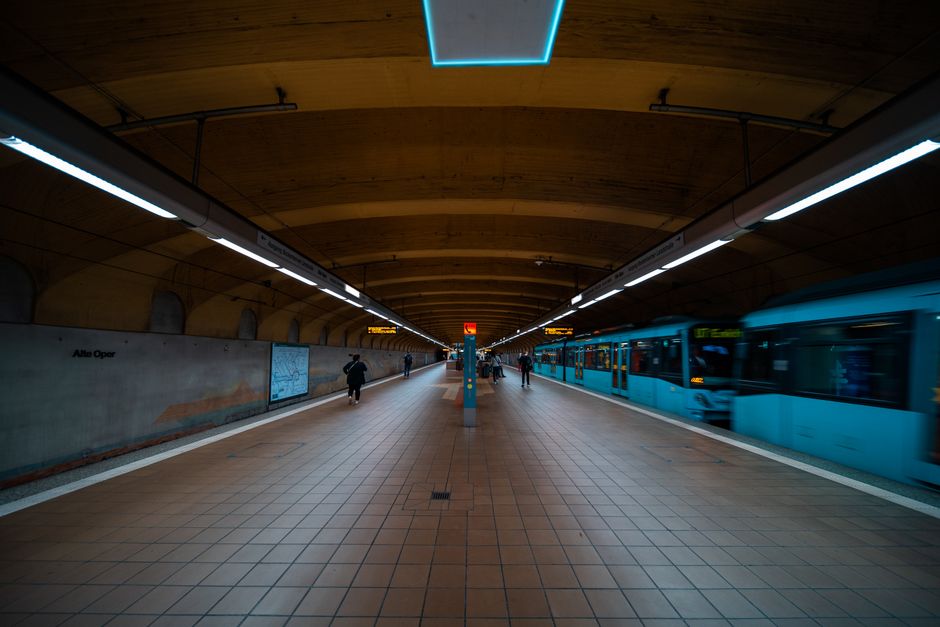
Yes — ESTA visitors can ride any US subway, metro or city bus freely. Getting around a US city needs no ID and no visa: your ESTA ($40, valid 2 years) handles entry to the country, and once you’re in a city, a tap of a contactless card gets you on board. Most systems now accept the same bank card you use at home.
TL;DR: Public transit is the cheapest, easiest way for ESTA visitors to get around big US cities. New York, Washington, Chicago, Boston, San Francisco and Los Angeles all run subways or metros you can pay for by tapping a contactless card or buying a local transit card. A single ride usually costs $2–$3, far less than a taxi.
Can ESTA visitors use public transit in US cities?
ESTA visitors can use public transit in any US city with no immigration document required — buses, subways and light rail are open to everyone. Your ESTA authorises entry at the border; riding the metro afterwards needs only a valid fare, paid by contactless card, mobile wallet or a local transit card.
There’s no ticket inspector checking passports on the subway. The system doesn’t care about your nationality — it cares that you tapped in. That said, keep your passport with you as visitors, since it’s your proof of legal status, recorded electronically by CBP through the I-94 arrival record (U.S. Customs and Border Protection, 2026). Your $40 authorisation stays valid for two years and allows stays of up to 90 days per entry (CBP Visa Waiver Program, 2026).
New to all this? Confirm who needs an ESTA and, if you haven’t applied, follow our first-time ESTA application guide before you start planning routes.

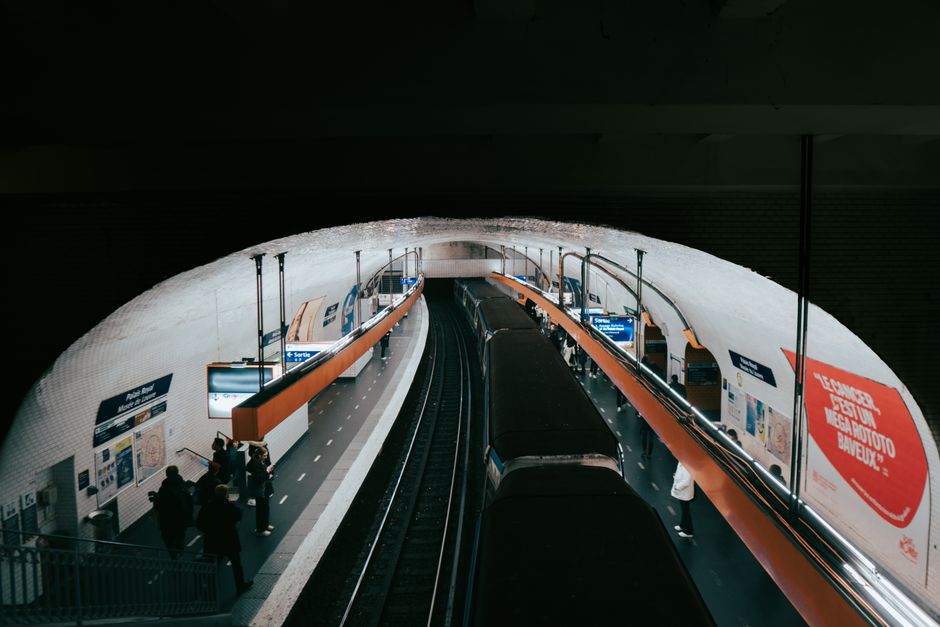
How to pay: transit cards and contactless in each city
Most major US transit networks now accept contactless bank cards and phone wallets, so many visitors never buy a separate ticket. Where a local card is still handy, each city has its own: OMNY and MetroCard in New York, SmarTrip in Washington, Clipper in San Francisco, Ventra in Chicago, CharlieCard in Boston and TAP in Los Angeles.
The shift to tap-to-pay has made city travel genuinely tourist-friendly. In New York, you tap your own Visa or Mastercard at the OMNY reader and the fare caps automatically after a set number of rides in a week. Washington’s Metro, the San Francisco BART and most others work the same way. If your bank charges foreign-transaction fees, a local card or a fee-free travel card can still save money.
| City | Transit card | Contactless accepted? |
|---|---|---|
| New York | OMNY / MetroCard | Yes (tap your own card) |
| Washington DC | SmarTrip | Yes |
| Chicago | Ventra | Yes |
| San Francisco | Clipper | Yes (BART, Muni) |
| Boston | CharlieCard | Rolling out |
| Los Angeles | TAP | Yes (Metro) |
A real example: Priya from Manchester spent five days in New York and never bought a MetroCard. She tapped her phone at every turnstile, hit the weekly fare cap on day four, and rode free for the rest of the trip. Compare transit-heavy trips in our New York vs Los Angeles itinerary.
Still need to sort the ESTA before you map out the subway lines? We can check your details and submit the application for you — no forms to puzzle over on the plane.
Getting from the airport by public transit
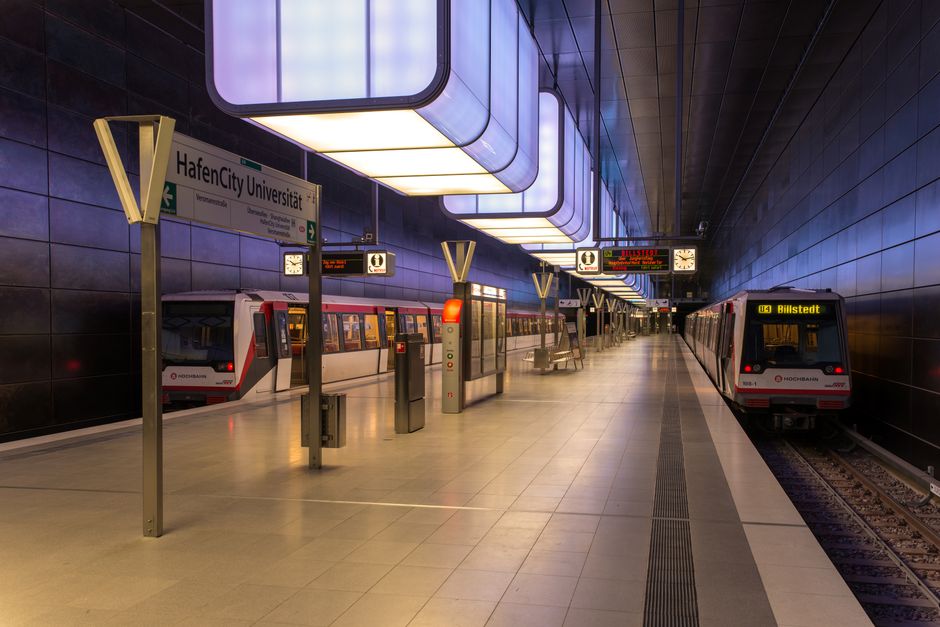
Rail transit connects most big US airports to the city centre for a few dollars, a fraction of a taxi fare. New York’s JFK links to the subway via AirTrain, Chicago’s O’Hare has a direct Blue Line train, and Washington, San Francisco, Boston and Atlanta all put a rail station inside or beside the terminal.
Right after a long flight, this is where visitors save the most. A taxi from JFK into Manhattan runs a flat $70 before tip and traffic; the AirTrain plus subway is under $12. The catch is luggage and stairs, so weigh convenience against cost when you’re tired. If you land late or carry heavy bags, our comparison in the airport transit and layover guide helps you decide.
Keep your passport reachable at the airport, not buried in a case — you’ll have just cleared US airport security and border control, and you may want ID handy for a first purchase. Travel light on the transit leg and the savings add up fast across a week.
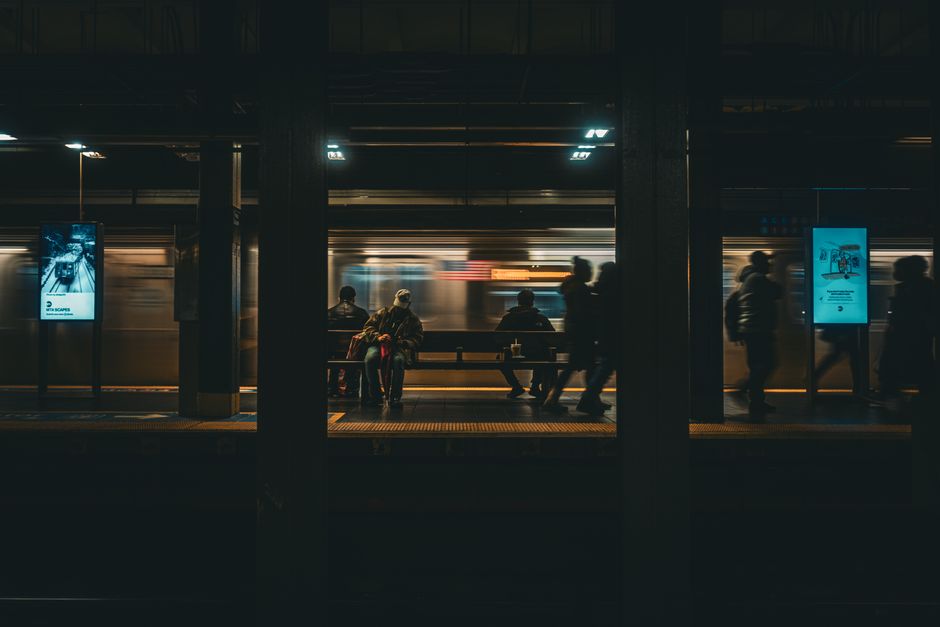
What public transit costs vs taxis and rideshare
A single metro or bus ride in a US city typically costs $2–$3, while a short taxi or rideshare trip starts around $12–$25 before tip. Over a week of sightseeing, choosing the subway over cabs can save a couple hundred dollars — money better spent on the trip itself.
| Option | Typical cost (2026) | Best for |
|---|---|---|
| Single transit ride | $2–$3 | Everyday city trips |
| Day / week pass | $8–$35 | Heavy sightseeing days |
| Taxi or rideshare (short) | $12–$25+ | Late nights, heavy bags |
These are planning ranges, not fixed fares — prices vary by city and time of day. The ESTA cost stays the same whichever way you travel: a flat $40 authorisation valid for two years (CBP ESTA, 2026). See the full breakdown in the US ESTA cost guide and the official ESTA fee page. Budget for tips elsewhere — our US tipping guide explains where they apply.

Safety, hours and practical tips for visitors
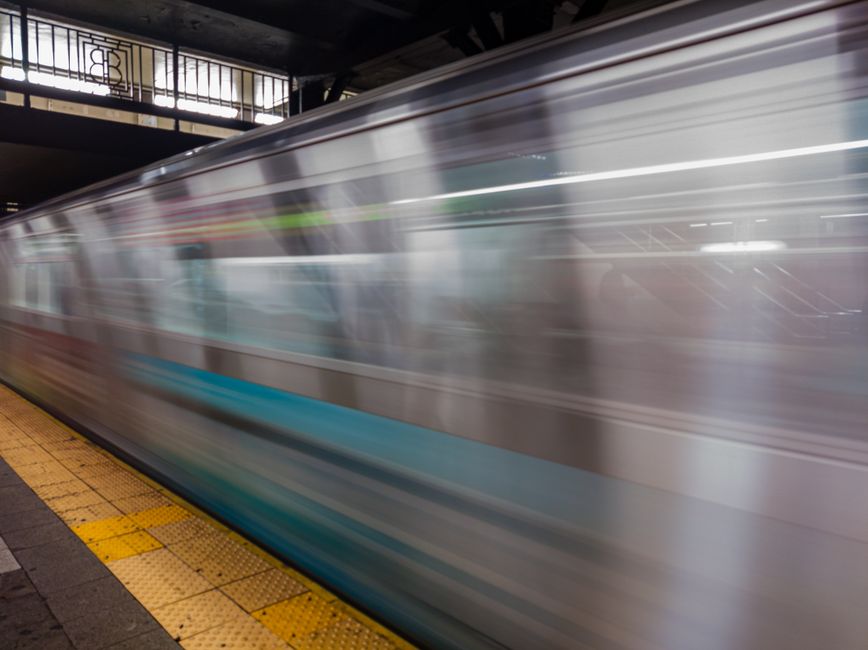
City transit is safe to use with normal city awareness, but hours and coverage vary widely: New York’s subway runs 24 hours, while many other cities stop late-night service. Check the last train, keep valuables zipped away, and use official apps for live times rather than guessing.
Simple habits go a long way. Stand back from the platform edge, keep your phone in an inside pocket in crowds, and screenshot your route in case signal drops underground. Late at night in a quiet city, a rideshare can be the safer call — there’s no prize for saving three dollars if it means a long wait on an empty platform. Download the official transit app for the city you’re in; it beats generic maps for real-time delays.
Accessibility varies too. Newer systems in Washington and Los Angeles have lifts and step-free access at most stations, while parts of New York’s older network still rely on stairs. If you travel with a pushchair, a heavy case or limited mobility, check the station’s access status in the app before you set off. A two-minute check saves a frustrating detour when you surface at the wrong exit.
One more visitor tip: many systems sell a discounted multi-day visitor pass online before you arrive. If your trip is still taking shape, lock in the ESTA first — check timings in our ESTA processing time guide and confirm dates against the two-year validity guide. The U.S. Department of State confirms ESTA allows multiple entries during its validity (U.S. Department of State, 2026).
Quick Facts: ESTA visitors and US public transit
City transit asks nothing of your immigration status — just a tapped fare. It’s cheap, quick and covers every major city, so most ESTA visitors barely touch a taxi. Carry your passport, use contactless payment, and check late-night hours before you rely on the last train.
| Quick Facts | Detail (2026) |
|---|---|
| ID needed to ride? | None — just a valid fare |
| Typical single fare | $2–$3 |
| How to pay | Contactless card, phone, or local transit card |
| Airport links | JFK, O’Hare, DC, SFO, Boston and more |
| ESTA fee / validity | $40 / 2 years, up to 90 days |
| Where to apply | esta.cbp.dhs.gov |
Rather not fill in the ESTA form yourself before a city-hopping trip? Send us your dates and we’ll review and handle it for you.
Frequently asked questions
Do ESTA visitors need any document to use the subway or metro?
No. Public transit needs only a valid fare — no ID, no visa, no ESTA check. Your ESTA covers entry to the USA; riding the subway afterwards is open to everyone. Keep your passport with you as proof of status generally.
Can I pay for US public transit with my own contactless card?
In most major cities, yes. New York, Washington, Chicago, San Francisco and Los Angeles accept contactless bank cards and phone wallets at the reader. Watch for foreign-transaction fees; a local transit card can avoid them.
How much does city transit cost for visitors in the USA?
A single ride is usually $2–$3, with day and week passes from about $8–$35. That’s far cheaper than taxis or rideshare, which start around $12–$25 for short trips. Fares vary by city and time.
Is it worth taking public transit from the airport?
Often yes. Rail links at JFK, O’Hare, DC, SFO and Boston cost a few dollars versus $50–$70 for a taxi. The trade-off is stairs and luggage. If you land late or carry heavy bags, a rideshare may be easier.
Is US city transit safe for tourists?
Yes, with normal city awareness. Keep valuables zipped away, mind the platform edge, and check late-night hours — New York runs 24 hours but many cities don’t. Use the official city transit app for live times.
About the author. Rachel Donovan is a Travel Documentation Editor at usestavisa.com and has covered US entry requirements and the Visa Waiver Program since 2019. She focuses on helping international visitors avoid last-minute paperwork mistakes.
Last updated: 2026-08-20 — verified against official CBP and U.S. Department of State guidance.
Disclaimer: usestavisa.com is an independent assistance service, not a government agency. You can apply directly on the official esta.cbp.dhs.gov portal, or let us check and handle your application for you.