
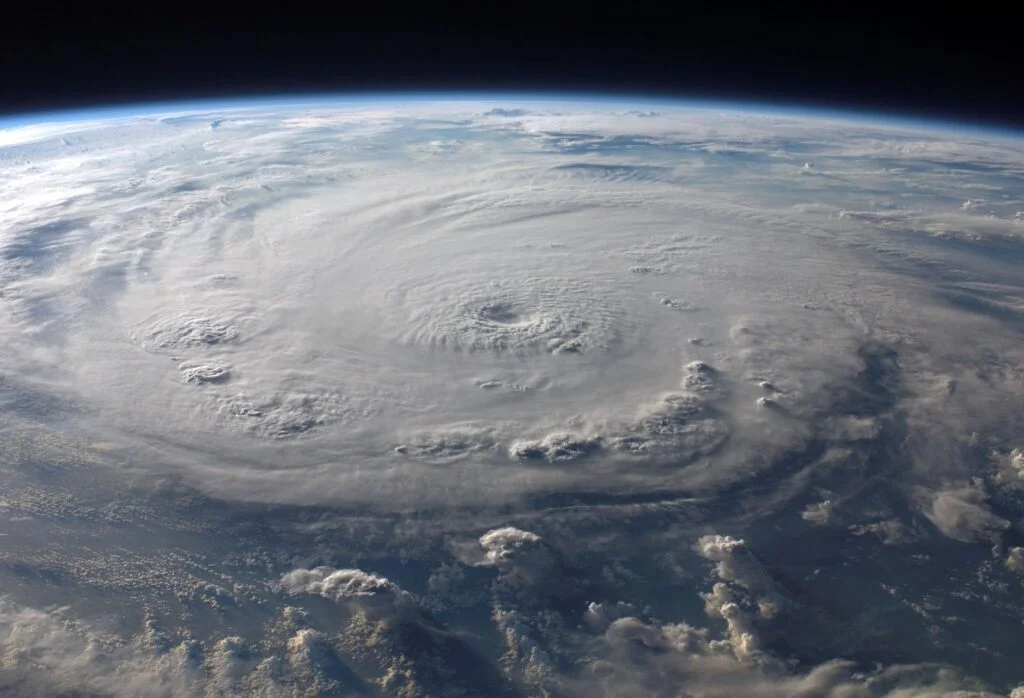
US hurricane season lasts from 1 June until 30 November, and a well-planned trip rarely suffers for it. The Atlantic basin sees most storms between mid-August and mid-October, mainly along the Gulf and southeast coasts. Your $40 ESTA stays valid for two years regardless of the weather, so what you need to get right is timing, storm tracking and travel insurance.
TL;DR: Hurricane season officially runs 1 June–30 November and peaks around 10 September (NOAA). It mostly affects Florida, the Gulf Coast and the Carolinas. Your ESTA ($40, valid two years) is unaffected. Watch National Hurricane Center forecasts, buy insurance, and keep plans flexible in late summer.
| Quick Facts | Detail (2026) |
|---|---|
| Atlantic season dates | 1 June – 30 November |
| Statistical peak | Around 10 September |
| Most-exposed regions | Florida, Gulf Coast, Carolinas |
| ESTA fee & validity | $40 per person; 2 years; 90-day stays |
| Official forecasts | NOAA National Hurricane Center |
Key facts before you book:
- The Atlantic hurricane season starts on 1 June and ends on 30 November every year, according to the NOAA hurricane climatology page.
- Activity concentrates between mid-August and mid-October, with a statistical peak near 10 September (NHC, 2026).
- An approved ESTA costs $40 and stays valid two years or until your passport expires, so a delayed trip does not waste it.
- Most of the US — California, the Southwest, the Rockies, the northern states — sits outside the Atlantic storm track entirely.
- The UK government advises travellers to buy comprehensive travel insurance that covers weather disruption before visiting the USA.

When is hurricane season and when does it peak?
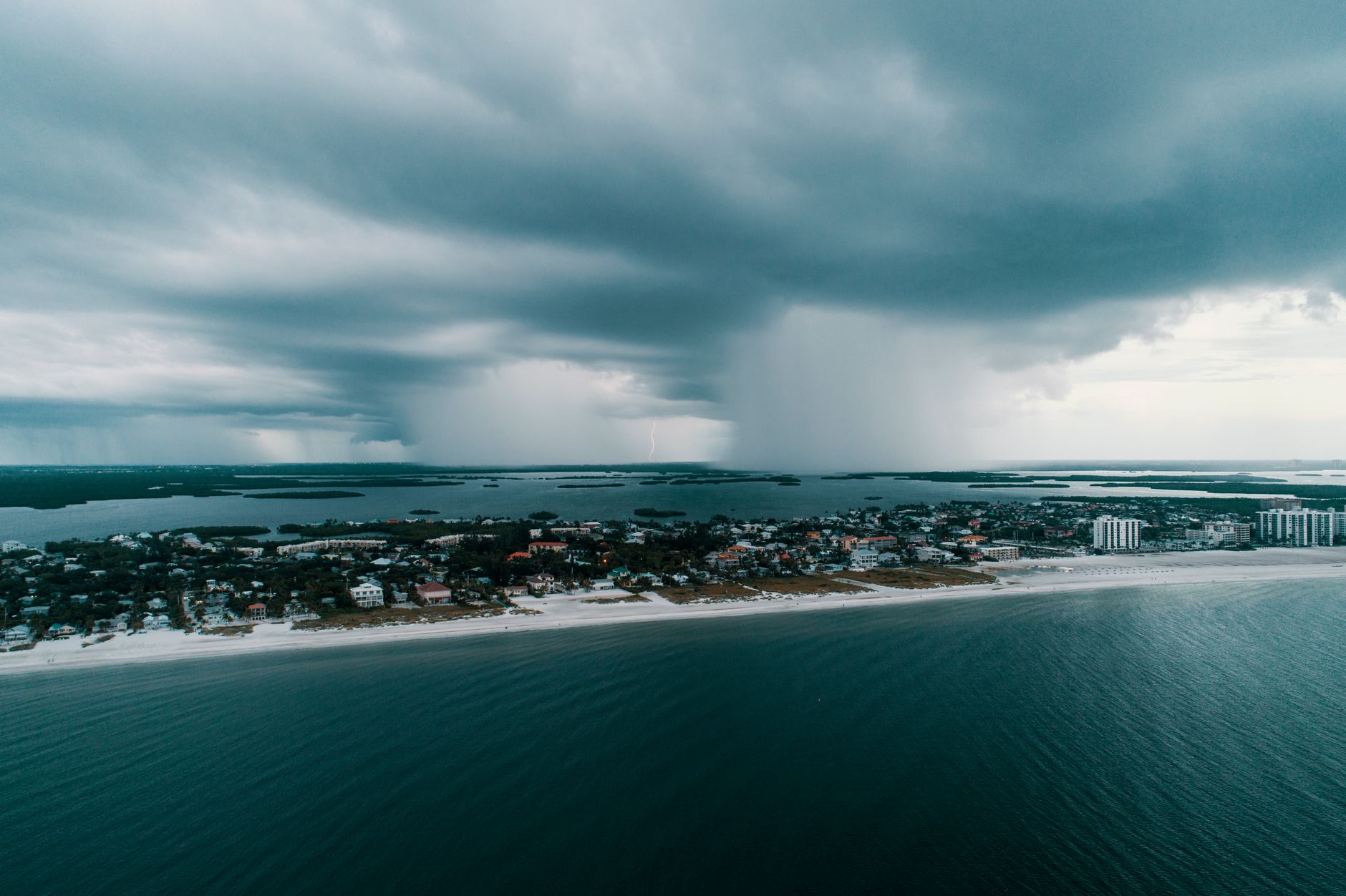
The Atlantic hurricane season starts on 1 June and ends on 30 November, and the busiest stretch is mid-August to mid-October, peaking around 10 September (NOAA, 2026). The eastern Pacific season, which can bring rain to the Southwest, starts earlier on 15 May and also ends 30 November. June and July are usually quiet. Tropical systems become more frequent and stronger in late summer.
Storm risk rises and falls gradually across the season, roughly like a bell curve. A trip to Miami on 5 June faces long odds of a direct hit; the same trip on 12 September sits near the statistical peak. The National Weather Service hurricane safety hub publishes the current outlook and daily tropical updates every year. Bookmark it before you fly.
| Month | Risk level | Notes for visitors |
|---|---|---|
| June–July | Low | Early season; isolated storms, mostly humidity and heat |
| Aug–Sept | High | Peak activity; watch forecasts closely for coastal trips |
| October | Moderate | Still active, especially the Gulf and Florida |
| Nov–May | Very low | Off-season; ideal for southern beach holidays |
Which US regions get hit — and which stay dry?
Florida, the Gulf Coast (Texas to Alabama) and the Carolinas take the brunt of Atlantic storms, while the West Coast, Southwest and inland states are effectively storm-free in season. If your itinerary is Los Angeles, Las Vegas, the Grand Canyon or Yellowstone, hurricanes are simply not part of the picture. Coastal Southeast trips need more planning.
Here is the practical split. Higher exposure: Miami, Tampa, Orlando, New Orleans, Houston, Charleston and the Outer Banks. Low or no exposure: San Francisco, Seattle, Denver, Chicago and the national parks of the interior West. Our US weather regions guide breaks down the best month to visit each state, and the best destinations for first-time visitors lists dry-season alternatives.


One real scenario: a family from Dublin books ten days in Florida for late September. Rather than cancel, they keep two flexible days at the front of the trip and an inland backup — Orlando’s theme parks reopen fast after a passing storm, while a barrier-island beach may stay closed. That small buffer saved their holiday when a system brushed the coast.
How a storm affects flights, ESTA and your trip
A hurricane can ground flights and shut airports for a day or two, but it never affects your ESTA, which stays valid for two years and $40 whether you travel this week or next spring. Airlines routinely issue fee-free rebooking waivers when a named storm threatens a hub like Miami, Orlando or Houston. The document in your inbox does not expire because a flight moved.
Keep three things straight. Your ESTA validity is fixed and unrelated to weather. Your flight is the part that flexes — check the airline app, not just the airport board. And a delayed entry does not restart your 90-day stay limit, which only begins the day you actually land. If you have not applied yet, the complete first-time ESTA guide walks through it, and you can confirm approval on the check ESTA status page.
Pro tip: Apply for your ESTA early in the year, well before the season heats up. CBP recommends applying at least 72 hours before travel, and an approval sitting in your inbox means one less thing to chase if a storm forces a last-minute reschedule.

What to do if a hurricane threatens your trip
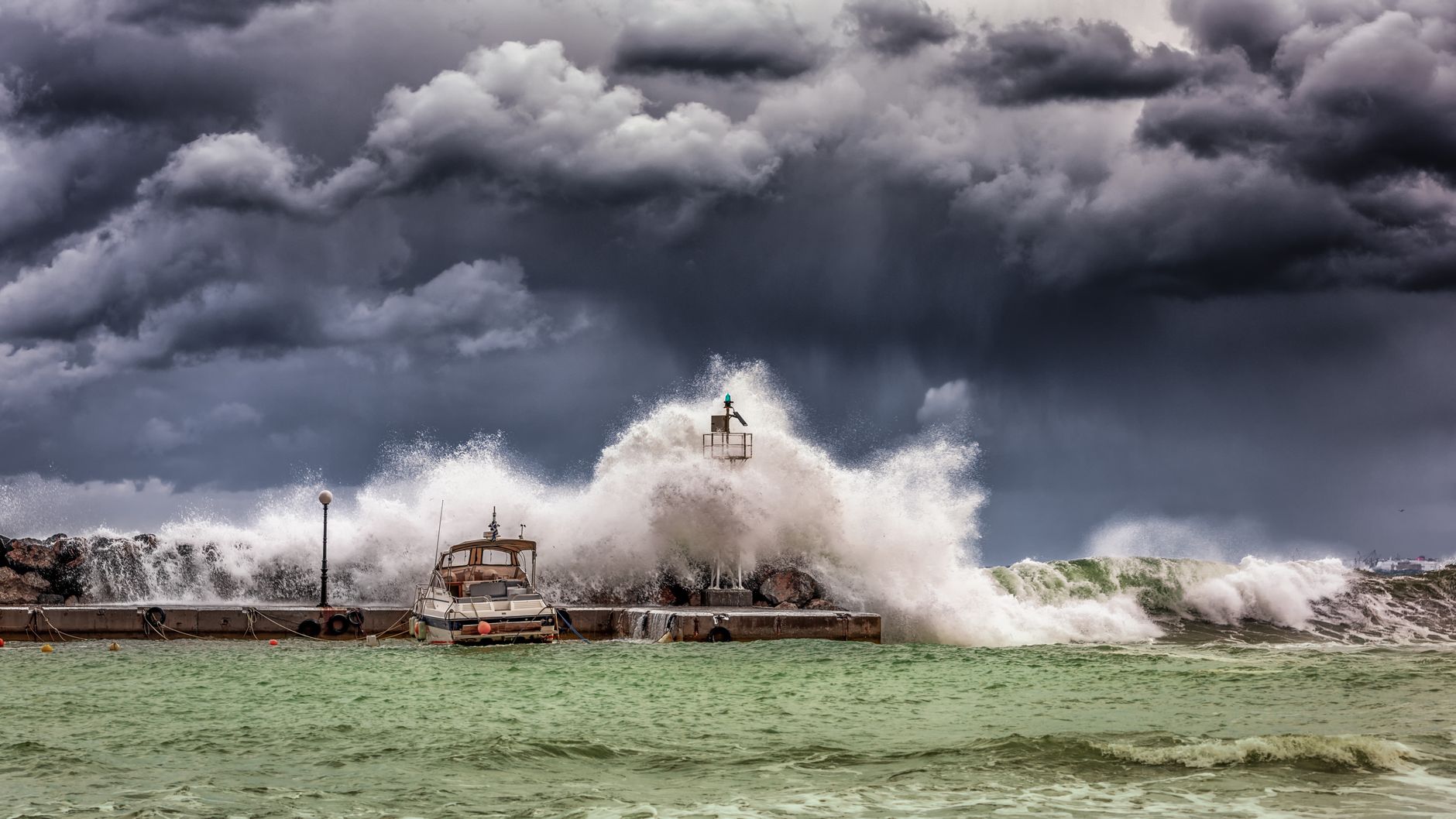
If a named storm is forecast to hit your destination, act 48 to 72 hours out: check official forecasts, contact your airline about waivers, and move inland rather than cancel outright. Most disruption lasts one or two days, and travellers who plan a buffer usually keep the bulk of their holiday. Panic cancellations cost far more than a flexible reschedule.
- Track the forecast. Follow the National Hurricane Center and local National Weather Service alerts twice a day once a system forms.
- Call your airline. Once a storm gets a name, carriers post travel waivers that let you rebook without change fees. Do it early, while seats last.
- Shift inland. Swap a barrier-island beach for Orlando, Atlanta or a national park; interior cities recover in hours, not days.
- Protect documents. Save digital copies of your passport, ESTA approval and I-94 record to your phone and the cloud.
- Follow local orders. If officials issue an evacuation, leave promptly; the UK government’s USA safety advice stresses obeying evacuation instructions.
Travel insurance, refunds and your money
Buy travel insurance that covers hurricane disruption before you travel — the $40 ESTA fee is non-refundable, but a good policy reimburses cancelled flights, lost nights and evacuation costs. Insurers usually stop selling storm cover once a hurricane is named, so timing matters: purchase when you book, not when clouds gather. Read the weather and cancellation clauses closely.
The ESTA charge itself does not come back if you cancel; see our ESTA cost breakdown and official fee page for what the $40 covers. Because the authorization lasts two years, most travellers simply rebook and reuse it. Budget realistically too — our USA travel budget guide and ESTA travel insurance explainer cover the numbers. Whether you need one at all is spelled out in who needs an ESTA.


Prefer not to handle the ESTA form yourself? You can apply directly on the official CBP site, or use our checking and support service to have the application reviewed before you submit. Either way, sort it early so a summer storm is never competing for your attention.
usestavisa.com is an independent assistance service, not a government agency; you can also apply directly on the official ESTA website.
Frequently asked questions
When is US hurricane season in 2026?
The Atlantic hurricane season runs 1 June to 30 November 2026, with peak activity from mid-August to mid-October and a statistical high near 10 September, according to NOAA. The eastern Pacific season starts on 15 May.
Does a hurricane affect my ESTA?
No. An ESTA is unaffected by weather. It costs $40, stays valid for two years or until your passport expires, and covers multiple stays of up to 90 days. A delayed or rebooked trip does not waste it.
Should I cancel a US trip during hurricane season?
Usually not. Most storms disrupt travel for one or two days in a specific area. Keeping flexible dates, an inland backup and good insurance almost always beats an outright cancellation, which forfeits more money.
Which US destinations are safest in late summer?
California, the Southwest, the Rocky Mountain states and the Pacific Northwest sit outside the Atlantic storm track. Los Angeles, Las Vegas, the Grand Canyon and Yellowstone see no hurricanes, making them reliable late-summer choices.
Will my flight be cancelled if a storm is forecast?
Possibly, for a day or two. Once a storm gets a name, airlines issue fee-free rebooking waivers for affected hubs. Check the airline app early, rebook promptly, and confirm your new flight rather than waiting at the airport.
Does travel insurance cover hurricanes?
Many policies do, but only if you buy before the storm gets a name. Cover typically includes cancelled flights, lost accommodation and evacuation. The UK government advises comprehensive insurance for all US trips, and you should always read the weather clauses.
Do I need a new ESTA after a weather delay?
No. Your ESTA remains valid throughout its two-year term. A postponed trip uses the same approval, and your 90-day clock only starts the day you actually enter the United States.
Last updated: 2026-07-30 — verified against official CBP, NOAA and U.S. Department of State guidance.