



The ESTA media review represents one of the most controversial new security measures introduced by CBP in 2026, requiring ESTA applicants to disclose 5 years of social media history for evaluation. This significant change has raised privacy concerns across Europe and beyond, prompting legal challenges and debates about data protection. In this comprehensive guide, we’ll explore what CBP checks on social media, which platforms are reviewed, what red flags can trigger denial, privacy implications, and your rights regarding this requirement.
Furthermore, many applicants have reported concerns about how CBP uses social media data. Therefore, understanding the exact requirements helps you prepare your application and protect your privacy.
What Is the New ESTA Social Media Review Requirement?
Beginning in 2026, CBP implemented a new {keyphrase} requirement as part of the ESTA application process. Moreover, applicants must now disclose all social media accounts used during the past 5 years. Consequently, this data is reviewed as part of the vetting process.
The requirement applies to:
- Facebook, Instagram, Twitter (X), TikTok, YouTube
- LinkedIn, Snapchat, Reddit, WhatsApp, Telegram
- Weibo (China), WeChat (China), Line (Japan), and other regional platforms
Indeed, CBP’s stated goal is to identify security threats and assess applicant credibility. Therefore, the agency reviews social media posts, connections, and account history for patterns consistent with terrorism, criminal activity, or visa fraud. Notably, CBP has not published specific thresholds for what constitutes a red flag.
5-Year Social Media History: What CBP Wants to Know
The {keyphrase} requirement forces applicants to look back 5 years of social media activity. Moreover, you must provide usernames and account details for every platform used during this period. Additionally, CBP conducts searches of publicly available posts, connections, and comments.
Importantly, you must be honest about all accounts, including ones you’ve deactivated or deleted. Furthermore, CBP can access archived versions of deleted content through third-party data brokers and the Internet Archive. Therefore, failing to disclose accounts or lying about your social media presence can result in automatic ESTA denial.
| Account Detail | What CBP Reviews |
|---|---|
| Posts and Comments | Content, language, context, connections to other users |
| Followers/Connections | Network patterns, potential extremist links |
| Photos and Videos | Visual content, location data (EXIF), people tagged |
| Account Settings | Privacy levels, date created, activity frequency |
| Direct Messages (metadata) | Recipients, frequency (content not typically accessed) |
Consequently, your social media presence significantly impacts your ESTA approval prospects. Notably, even seemingly innocuous jokes or political commentary can raise CBP concerns.
Which Platforms Are Checked and What Are the Red Flags?
CBP’s {keyphrase} focuses on major social media platforms where extremist and criminal networks operate. Moreover, the agency has access to specialized monitoring tools that flag content matching terror watch lists and criminal pattern databases.
Red flags that can trigger ESTA denial include:
- Posts expressing sympathy for terrorist organizations or extremist ideologies
- Content promoting violence, threats toward specific groups, or hate speech
- Evidence of links to known criminal networks or trafficking operations
- Substantial activity on platforms known for extremist recruitment (certain Telegram channels, etc.)
- Frequent international money transfers to high-risk jurisdictions (inferred from social posting patterns)
- Inconsistencies between your ESTA application and social media profile (false biographical information)
- Evidence of false identity or impersonation
Additionally, CBP also examines context—a sarcastic joke, satirical meme, or controversial political opinion may not trigger denial on its own. Furthermore, CBP officers receive training on cultural context and online communication norms. Therefore, completely benign political statements should not result in rejection. Notably, however, the agency has significant discretion, and decisions can be inconsistent.

Privacy Implications of the ESTA Media Review
The {keyphrase} raises serious privacy concerns for travelers from Europe and beyond. Moreover, CBP’s data collection and retention practices are not fully transparent. Consequently, many organizations have challenged this requirement on privacy grounds.
Key privacy concerns:
- CBP may retain social media data beyond the ESTA approval decision, potentially for years
- Data could be shared with other U.S. law enforcement or intelligence agencies (FBI, DHS, NSA)
- International data transfer to the U.S. may violate GDPR and EU data protection laws
- No clear data retention or deletion timeline has been published
- Travelers have limited recourse if data is breached or misused
Furthermore, the European Union Data Protection Board has raised concerns. Therefore, some EU countries have issued advisories about the new requirement. Notably, however, accepting the requirement is currently mandatory for ESTA applicants.
Can You Refuse the Social Media Review Requirement?
Unlike some other requirements, the {keyphrase} cannot be refused while still obtaining an ESTA. Moreover, if you decline to disclose your social media accounts, CBP will deny your application. Consequently, you have two choices: comply with the requirement or apply for a traditional B1/B2 visa instead.
However, the B-visa option has limitations:
- B-visa interviews still require disclosure of social media accounts
- The interview process may involve more detailed questioning
- Processing time is longer (7-60+ days versus minutes for ESTA)
- Visa fees are higher ($190 versus $40.27 for ESTA)
Therefore, refusing the social media review requirement doesn’t solve privacy concerns—it merely delays them. Notably, both ESTA and traditional visas now require social media disclosure.
Impact on ESTA Approval Rates and Application Outcomes
Since the {keyphrase} requirement was implemented, ESTA approval rates have declined slightly. Moreover, approximately 2-3% of applications that would previously have been approved are now denied due to social media concerns. Consequently, the requirement has measurable impacts on applicant success rates.
Most denials based on social media occur when applicants:
- Fail to disclose accounts (leading to automatic denial)
- Provide false information about their online presence
- Have clear evidence of extreme content or extremist network connections
- Show significant inconsistencies between their ESTA form and social profiles
Indeed, genuine security concerns account for a minority of denials. Furthermore, most applicants are approved despite having diverse political opinions and online presences. Therefore, unless you have genuine red-flag content, the social media requirement should not be concerning. Notably, CBP officers understand that online behavior spans a spectrum of political and personal expression.


Legal Challenges and Future of the Requirement
Multiple legal organizations have challenged the {keyphrase} requirement in federal court. Moreover, the European Union has expressed concerns about compliance with international data protection agreements. Consequently, the requirement’s future remains uncertain.
Key legal challenges include:
- American Civil Liberties Union (ACLU) lawsuit questioning First Amendment implications
- European Court of Justice advisory opinions on GDPR compatibility
- Privacy advocacy groups filing Freedom of Information Act (FOIA) requests for CBP’s evaluation criteria
- International human rights organizations documenting discriminatory application of the requirement
Furthermore, as of April 2026, no court has yet blocked the requirement. Therefore, applicants must continue to comply. Notably, CBP may refine or adjust the requirement based on ongoing litigation and diplomatic discussions.
FAQ on ESTA Social Media Review and Privacy
Do I have to disclose my social media accounts for ESTA?
Yes, disclosing your social media accounts is now mandatory for ESTA applications. Moreover, failing to disclose any accounts will result in automatic denial of your application.
How far back does CBP check my social media history?
CBP reviews 5 years of social media history from the date of your application. Furthermore, this includes deleted accounts and deactivated profiles. Therefore, even old posts can be examined through archived versions.
What if I deleted my social media accounts before applying?
You must still disclose the accounts on your ESTA application, even if you’ve deleted them. Moreover, CBP can access deleted content through archived databases and third-party data services. Consequently, deleting accounts does not eliminate the requirement to disclose them.
Can CBP deny my ESTA based on political posts?
CBP can deny ESTA based on political content, but only if the content suggests support for violence, terrorism, or illegal activity. Furthermore, normal political opinion and satire should not be grounds for denial. Therefore, you should only be concerned if your posts actually advocate for illegal or violent acts.
How is my social media data stored and for how long?
CBP has not published clear guidelines on data retention. Moreover, the agency may retain your social media information in databases accessible to other U.S. law enforcement agencies. Consequently, you have limited visibility into how your data is used after approval.
What’s the difference between ESTA and B-visa social media requirements?
Both require social media disclosure. Moreover, B-visa interviews may involve more detailed questioning about your online presence. Therefore, refusing ESTA’s social media requirement doesn’t avoid disclosure—it merely changes the process.
Is there any way to keep my social media private from CBP?
You can make your accounts private before applying, which limits CBP’s access to some content. Furthermore, CBP may request additional information from social media platforms if accounts are private. Therefore, privacy settings may slow processing but do not prevent review entirely.
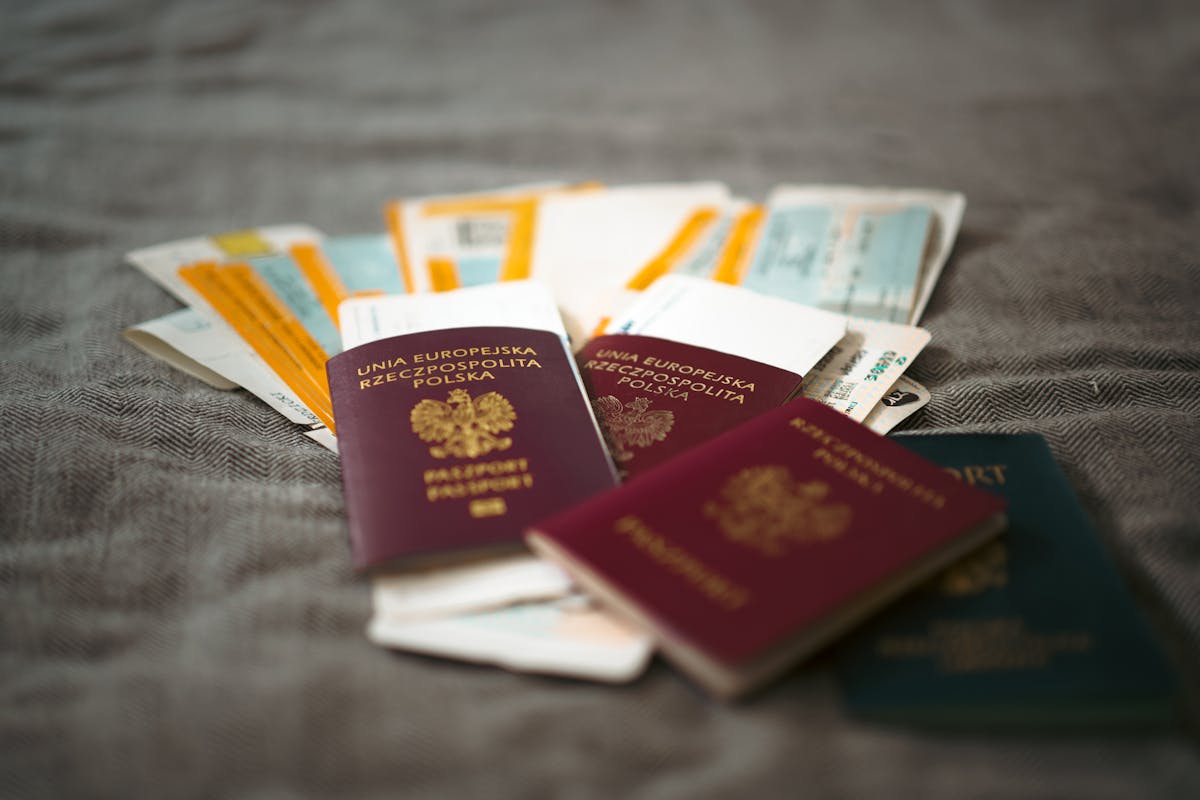
Summary: Your 2026 ESTA media review Guide
The {keyphrase} has introduced new challenges and considerations for international travelers in 2026. Moreover, understanding these changes helps you navigate the ESTA application process successfully. Furthermore, whether you’re applying for the first time or renewing your authorization, staying informed about the latest requirements is essential.
For additional information about ESTA requirements, application procedures, and travel tips, explore our comprehensive guides on ESTA requirements, application guidance, and ESTA costs. Additionally, if you have specific questions about your eligibility or circumstances, consult the official CBP website at cbp.gov.
Related ESTA and USA Travel Guides
For additional context on ESTA, the Visa Waiver Program, and practical US travel tips, explore these related guides from our library. Moreover, these resources complement the information in this article with country-specific details, process walkthroughs, and cost breakdowns.
- Monaco ESTA requirements
- Swedish ESTA information
- Slovenian ESTA requirements
- Luxembourg ESTA information
- ESTA vs US visa comparison
- Swiss ESTA requirements
- Greek ESTA guide
- Estonian ESTA information
Last updated: April 2026. Information verified against official US Department of State and DHS sources.