

ESTA 2026 Changes: New Social Media Requirements and What They Mean for Travelers
ESTA 2026 changes could significantly transform how travelers apply for US entry authorization. The U.S. Department of Homeland Security (DHS) has proposed comprehensive modifications to the Electronic System for Travel Authorization (ESTA) application process, including social media history screening, biometric photography, and enhanced data collection. This article examines the proposed changes, their implications for international travelers, and important privacy considerations. Note that these changes are currently proposals—public comment closed on February 28, 2026—and have not yet been implemented.
Overview of Proposed ESTA 2026 Changes
In early 2026, the Department of Homeland Security announced proposed modifications to the ESTA program aimed at enhancing security screening and modernizing the application process. These changes represent the most significant update to ESTA since its inception in 2008.
The DHS justified these changes by citing:
- Evolving security threats and screening methodologies
- Increased reliance on digital and biometric identification worldwide
- The need to detect potential security risks through social media analysis
- Alignment with security standards used by other countries (UK ETA, EU ETIAS)
Current Status of Proposals
It is critical to understand that these changes are NOT yet in effect. The DHS opened a public comment period from February 1-28, 2026, allowing stakeholders to submit feedback on the proposals. Implementation date and final rules have not been announced.
While approval is likely, Congress may request changes, privacy advocates may file legal challenges, and the final implementation timeline remains uncertain. Travelers should monitor official sources for updates on when (or if) these changes will take effect.
Five Major ESTA 2026 Changes Explained


1. Social Media History Requirement (5-Year Look-Back)
The most controversial proposed change requires applicants to disclose their social media accounts and history from the past 5 years. Specifically, travelers would need to:
- List all social media platform accounts used in the past 5 years
- Provide usernames across platforms including: Facebook, Twitter/X, Instagram, TikTok, YouTube, LinkedIn, Snapchat, WeChat, WhatsApp, Telegram, Reddit, and others
- Grant the DHS access to review public posts and account activity
- Explain any suspicious, sensitive, or violent content in their posting history
The DHS states this information would be used to identify individuals with connections to extremism, security threats, or immigration violations. Critics argue it represents an unprecedented intrusion into personal online activity.
2. Biometric Facial Recognition Photo Requirement
The second major change mandates a new biometric photograph requirement going beyond current standards:
- Applicants must submit a recent selfie taken during the application process, not a pre-existing photo
- The photo must meet strict biometric standards (well-lit, frontal view, clear facial features)
- The DHS would use facial recognition technology to verify the applicant’s identity against passport and other databases
- The biometric data would be retained in a central database for future screening
While the UK ETA and EU ETIAS already require biometric photos, the DHS proposal goes further by explicitly including biometric data retention for future use.
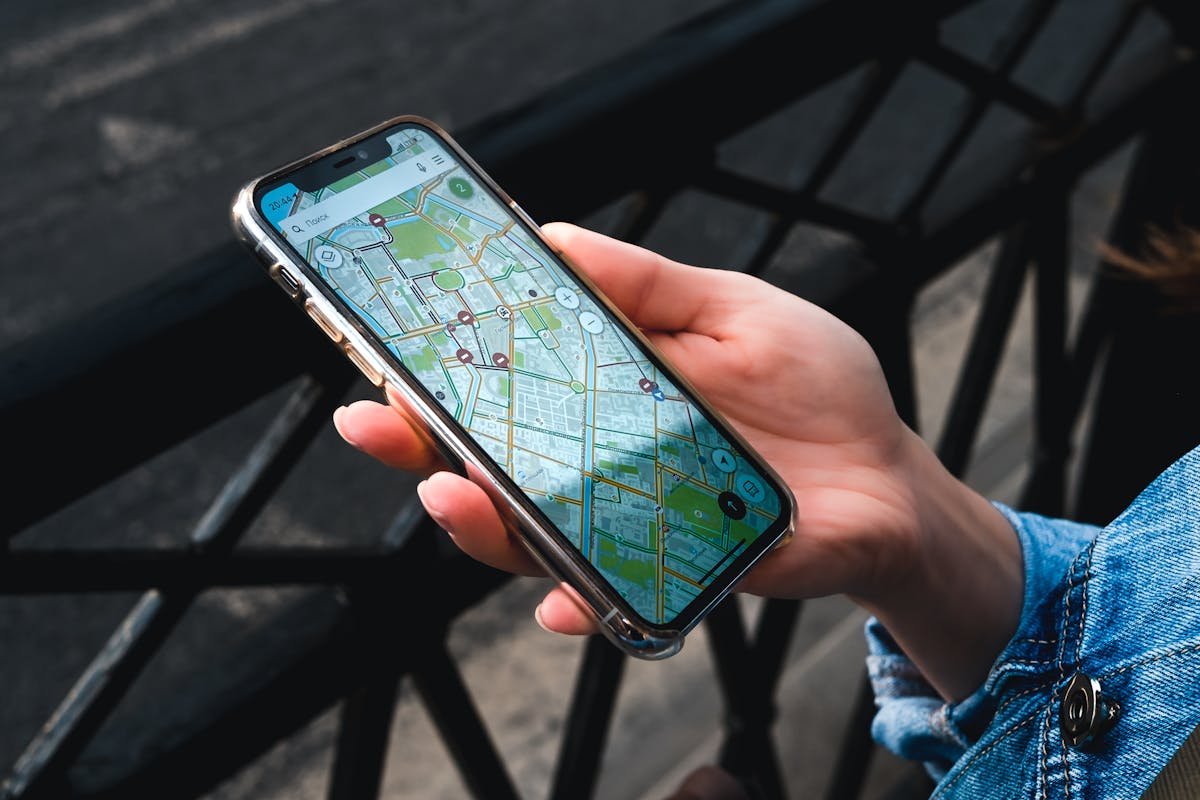
3. Mobile-First Application Process
The DHS proposes a modernized mobile application interface designed specifically for smartphones:
- ESTA applications would be processed through a dedicated mobile app (in addition to web browsers)
- The app would use smartphone cameras for biometric photo capture with built-in quality verification
- Real-time validation of document information against passport databases
- Improved user experience for international travelers using non-US devices
This change aims to streamline the application process and reduce errors from manual data entry. However, it also increases data collection through mobile tracking and device information.
4. Departure Tracking and Entry/Exit Recording
A fourth proposed change would implement automated departure tracking:
- Integration with airline reservation systems to track when ESTA-authorized travelers depart the United States
- Automatic flagging of overstays (travelers who remain longer than authorized)
- Biometric confirmation of departure (facial recognition at airport gates)
- Data sharing with CBP (Customs and Border Protection) and ICE (Immigration and Customs Enforcement)
The DHS argues this would improve tracking of visa overstays and security compliance. Critics point out that this significantly expands the scope of surveillance on international visitors.
5. Extended Family and Contact Information Requirements
The final major proposal expands data collection to include:
- Contact information for immediate and extended family members
- Names and addresses of emergency contacts
- Current and previous employers for the past 10 years
- Details about relatives living in the United States
- Information about previous travel and visa denials
The ESTA application form would expand significantly, potentially doubling the amount of personal data collected from international travelers.
Comparison: Current vs. Proposed ESTA Requirements


| Requirement | Current ESTA (2025) | Proposed ESTA (2026) |
|---|---|---|
| Social Media Disclosure | Not required | Required (5-year history) |
| Biometric Photo | Passport photo submission | Real-time selfie with facial recognition |
| Application Method | Web browser only | Mobile app or web browser |
| Departure Tracking | Manual/airline based | Automated biometric verification |
| Family Information | Spouse/dependents only | Extended family details |
| Employment History | Current employer | 10-year employment history |
| Cost | $21 | Potentially unchanged (not yet determined) |
| Processing Time | Usually instant | 1-3 days (with social media review) |
| Data Retention | 5 years | Potentially indefinite (not specified) |
The proposed changes represent a dramatic expansion of data collection and processing compared to the current streamlined ESTA system.
Privacy Implications and Concerns
Data Security and Storage
The expansion of ESTA data collection raises important questions about security:
- Biometric Data: Fingerprints and facial recognition data would be retained in centralized US databases, creating a large pool of biometric information that could be targeted by hackers
- Social Media Access: Granting DHS access to social media accounts creates privacy risks if credentials are mishandled or accounts are improperly accessed
- Data Breaches: Past breaches of US government databases demonstrate the risks of storing large amounts of personal information
Discriminatory Screening Concerns
Privacy advocates and civil rights organizations have expressed concern that social media screening could:
- Disproportionately affect travelers from certain countries or religions based on posting patterns
- Flag legitimate political speech or religious expression as security concerns
- Lead to rejections based on misunderstandings of cultural expressions or humor
- Lack transparency in how algorithms assess social media content
International Reciprocity Issues
Implementing these changes may set a precedent for other countries to impose similar requirements on US citizens. Countries like China, Russia, and others have expressed interest in expanding screening of US travelers.
Free Speech and Expression Concerns
Critics argue that the social media screening requirement could:
- Deter international travelers from traveling to the US due to privacy concerns
- Create self-censorship pressure on social media users who plan international travel
- Violate principles of freedom of expression and association
What International Travelers Need to Know Now


Current ESTA Process Remains Unchanged
Until these proposals are formally implemented with a specific date, the current ESTA process remains in effect. Travelers continue to:
- Apply online at esta.cbp.dhs.gov
- Pay $21 per application
- Receive approval usually within minutes
- Only provide basic personal and passport information
Monitoring for Implementation
Travelers should monitor these official sources for updates on the proposed ESTA changes:
- DHS official website (dhs.gov)
- ESTA official portal (esta.cbp.dhs.gov)
- U.S. State Department travel announcements
- News from international travel industry organizations
Preparing for Potential Changes
For travelers planning US trips in 2026 and beyond, it’s prudent to:
- Keep social media accounts professional and free of controversial content
- Ensure passport photos are current and meet biometric standards
- Organize employment and family contact information
- Apply for ESTA earlier than necessary to account for potential processing delays
How ESTA 2026 Changes Compare to Global Standards
The proposed US changes are partly aligned with, and partly exceed, requirements in other travel authorization systems:
UK ETA
The UK ETA requires biometric photos and extensive personal information but does not require social media disclosure. Processing takes 1-4 weeks. The UK system is stricter on biometric requirements but less invasive regarding social media.
EU ETIAS
The EU system requires biometric data and uses automated risk assessment but does not explicitly require social media account disclosure. The EU emphasizes data protection under GDPR, with strict privacy safeguards.
China, Australia, Canada
Several countries increasingly use social media screening and biometric data, but transparency and data protection standards vary significantly. Some countries retain biometric data indefinitely without clear privacy protections.
The proposed US ESTA changes would align the United States with stricter global screening standards, though with potentially broader data collection than some counterparts.
Frequently Asked Questions About ESTA 2026 Changes
Will the ESTA fee increase with the proposed changes?
The DHS has not announced any fee changes. However, the increased processing complexity may eventually require a fee increase from the current $21. Any fee changes would likely be announced during the final implementation phase.
When will the ESTA 2026 changes be implemented?
Implementation timing has not been announced. While the DHS proposed these changes in early 2026 with public comment closed February 28, 2026, there may be Congressional review, legal challenges, or administrative delays. Implementation could occur in late 2026, early 2027, or later. Check official sources for updates.
Will existing ESTA authorizations be affected by the changes?
Current ESTA authorizations that are valid will likely remain valid. However, when renewing or applying for a new ESTA, travelers would need to comply with updated requirements. This is not yet confirmed and may depend on final implementation rules.
What if I don’t want to disclose my social media accounts?
If the social media requirement is implemented and a traveler refuses to provide social media information, the ESTA application would likely be denied. Travelers would then need to apply for a B1/B2 visa through a US embassy or consulate instead, which is more expensive and time-consuming.
How will the DHS use my social media information?
According to the proposals, social media would be reviewed by automated systems and human analysts to identify potential security risks. However, specific criteria for determining “risk” have not been publicly detailed, raising transparency concerns.
Can I appeal if my ESTA is denied due to social media content?
Current ESTA regulations provide limited appeal processes. If implemented, this would need to be clarified. Travelers denied based on social media content may have grounds for legal challenge under free speech protections, but this is untested in the courts.
Will ESTA changes affect visa holders or green card holders?
No. The ESTA program applies only to visa-free travelers from eligible countries. Individuals with visas or permanent residency are not affected by ESTA changes.
Should I delete my social media accounts before applying for ESTA?
Deleting accounts is not recommended, as DHS has access to archived data through other means. Instead, if you have concerning historical posts, some travelers have made private accounts or deleted specific posts. However, this strategy carries risk if discovered during screening.
How do these changes affect US citizens or permanent residents?
These changes affect only international travelers applying for ESTA. US citizens and permanent residents do not need ESTA and are not subject to these screening requirements for US entry.
Recommendations for International Travelers in 2026

If You’re Planning a US Trip in 2026
- Apply Early: Don’t wait until the last minute. Current processing is fast, but with proposed changes, processing times may increase
- Check Official Sources: Visit esta.cbp.dhs.gov regularly for updates on changes
- Be Prepared: Gather information about current employment, family contacts, and social media accounts in case changes are implemented
- Consider Alternatives: If you’re uncomfortable with proposed privacy requirements, applying for a B1/B2 visa is an alternative
For Travel Industry Professionals
- Subscribe to DHS updates and industry newsletters for implementation announcements
- Prepare customer communication plans if significant ESTA changes occur
- Consider training staff on new requirements when implemented
Advocacy and Engagement
If the proposed changes are implemented, international travelers may have opportunities to provide feedback through official comment periods. Civil rights organizations and travel industry groups are also monitoring these proposals and may file legal challenges.
Conclusion: Stay Informed About ESTA 2026 Changes


The proposed ESTA 2026 changes represent significant modifications to US entry procedures for international travelers. While these proposals address legitimate security concerns, they also raise important privacy, civil rights, and free speech considerations.
The critical point to remember is that these changes are not yet implemented. Current ESTA procedures remain in effect. However, travelers planning US trips in 2026 and beyond should monitor official sources for updates and be prepared to provide additional information if these proposals are finalized.
The balance between national security and individual privacy remains a complex issue. These proposed changes will likely generate continued debate among policymakers, privacy advocates, international travelers, and the travel industry throughout 2026.
Stay informed: Check travel.state.gov and esta.cbp.dhs.gov regularly for official announcements about any ESTA changes and implementation timelines.