

CBP requires an electronic passport with a working biometric chip and a machine-readable zone for every ESTA approval in 2026. The requirement is well-known. What catches travelers out is the edge cases: a passport with the chip damaged in a wash, a renewal where the new book has not been issued before the trip, the six-month validity rule exceptions, and the emergency travel document workflow when a passport is lost mid-trip. This guide explains the rules CBP actually enforces at boarding.
What machine-readable means for ESTA
The Visa Waiver Program requires an electronic passport (e-passport) with a working biometric chip and a machine-readable zone. The requirement applies to every traveler over the age of one, including infants who are eligible for VWP. The biometric chip must contain the issuing country’s standardized data (photo, name, passport number, citizenship, date of birth) and must respond to the CBP scanner at the boarding gate.
A passport book that meets these requirements is identified by the small electronic-chip symbol on the front cover. Books issued before 2007 in most VWP countries do not have a chip and are not VWP-eligible.

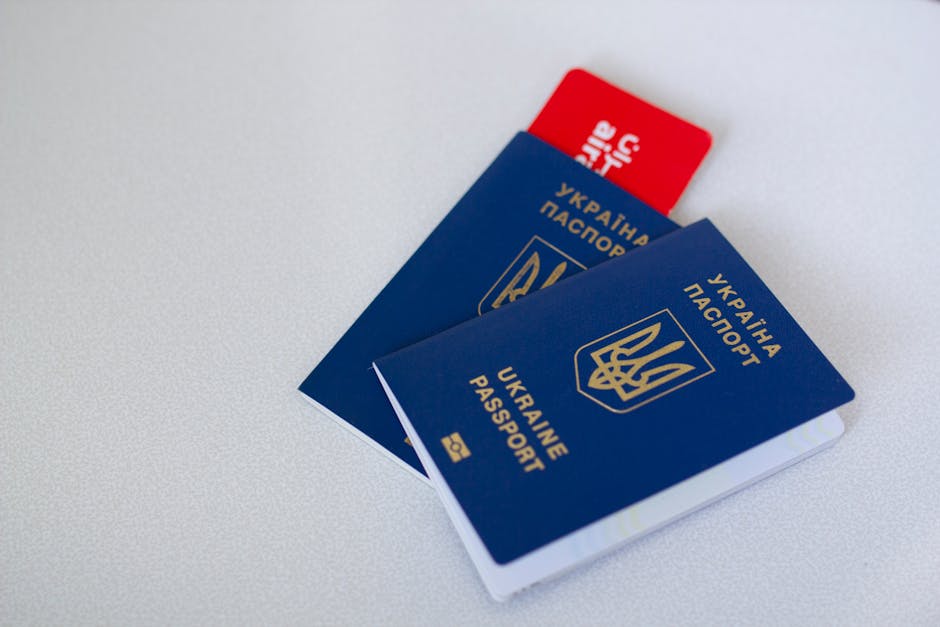
E-passport chip requirement for VWP
The e-passport chip can fail in two ways: damaged in transit (wash, bend, sustained heat) or simply old enough that the embedded antenna has degraded. CBP’s scanner reports a chip-read failure to the airline gate, and the airline holds the boarding pass until the traveler can prove their identity via another method. The fix at the gate is usually a manual passport scan and a CBP secondary check, but the process adds 30 to 90 minutes.
Best practice: have the passport’s chip checked at the issuing authority before the trip if there is any doubt. UK Post Office locations offer a free chip-read service; German Bürgeramt offices do similar.
Six-month validity rule and exemptions
The six-month validity rule is a misconception in the ESTA context. The Visa Waiver Program does not have a global six-month rule. Instead, each VWP country has an individual agreement with the United States. Most VWP countries (UK, Germany, France, Australia) have a “six-month exemption agreement,” which means the passport need only be valid for the duration of the stay, not six months beyond.

A small number of countries (Czechia, Slovakia, Estonia) do not have the exemption agreement, and travelers from those countries must hold a passport valid for at least six months from the entry date. Check the State Department’s country-by-country list before travel.
Further reading and official sources
- ESTA name mismatch fix
- ESTA after a new US passport
- TSA PreCheck and Global Entry for ESTA visitors
- CBP international visitors
- the official CBP ESTA portal
When to renew before the trip
Renewal timing during a planned trip is the most common passport-rule mistake. If your passport expires within the validity period of your ESTA, the ESTA expires with the passport, not on the original two-year date. A renewed passport requires a new ESTA — the new application costs $40 and the old ESTA is not refunded.
The rule: time your renewal so the new passport is in hand at least one week before the trip. For UK travelers in 2026, HM Passport Office is publishing a three-week target on standard renewals; build in a two-week buffer.
Damaged or worn passport CBP rules
A passport that is damaged or worn but still readable creates an edge case at the boarding gate. CBP’s airline alert lists “unreadable passports” as a reason to refuse boarding, but the threshold for “unreadable” is at the airline’s discretion. Water damage that has obliterated the photo page, a torn-out page, or a broken spine usually fails. Minor wear, a stamp or two missing, a slightly loose chip cover usually passes.

If in doubt, renew before the trip. The renewal cost is far less than the cost of a missed flight.
Emergency travel document workflow
Emergency travel documents — issued by an embassy in a foreign country when the traveler’s passport is lost or stolen mid-trip — are usually not e-passports and do not have a biometric chip. They are valid for return travel to the home country but are not VWP-eligible. A traveler who loses their passport during a US trip and is issued an emergency document must apply for a B-visa to re-enter the United States after returning home; the original ESTA is voided when the passport is reported lost.

If the trip is ongoing inside the US when the passport is lost, contact the home-country embassy in the US for a temporary travel document that can be used for the outbound flight home.
FAQ
Does my passport need to be machine-readable for ESTA?
Yes. The machine-readable zone (the two lines of capital letters at the bottom of the photo page) is required for every VWP applicant.
Do all VWP countries require six-month passport validity?
No. Most VWP countries (UK, Germany, France, Australia) have a six-month exemption agreement with the US, requiring only validity for the duration of stay.


What is an e-passport?
A passport with a biometric chip. The chip is identified by a small electronic-chip symbol on the front cover. Books issued before 2007 in most VWP countries are not e-passports.
Can I use an emergency travel document for ESTA?
Generally no. Emergency travel documents lack the biometric chip and are not VWP-eligible. You would need a B-visa to re-enter the US after returning home.
What if my passport chip fails at the gate?
The airline will hold your boarding pass until a manual CBP secondary check is completed. Allow 30 to 90 minutes for the process.
What makes a passport “machine readable” for ESTA purposes
The Department of Homeland Security and the Department of State define a machine-readable passport (MRP) as one that contains a machine-readable zone (MRZ) of two lines of 44 characters at the bottom of the biographic data page, encoded according to ICAO Document 9303 Part 4. The MRZ encodes the country, surname, given names, document number, nationality, date of birth, sex, expiry date, optional data, and a series of check digits. Without that MRZ, ESTA cannot validate the passport at submission and the airline kiosk cannot board the traveler under the Visa Waiver Program (VWP) per 8 CFR §217.2(b)(1).
Since 1 April 2016, the VWP requirement under INA §217(a)(3) goes one step further: the passport must be an electronic machine-readable passport (e-MRP) with a contactless integrated circuit chip embedded in the front cover, back cover, or biographic data page. The chip stores a digital copy of the biographic data, the holder’s photograph, and one or more biometric identifiers. The international biometric symbol (a rectangle with a circle inside) on the cover signals that the chip is present. ESTA’s online questionnaire asks for the chip-issued date and rejects applications submitted on a non-electronic passport even if the MRZ is intact.
How CBP verifies the chip at the U.S. border
At the primary inspection booth, the CBP officer places the data page on the document reader. The reader scans the MRZ optically and simultaneously reads the chip wirelessly through the embedded antenna. The reader then performs three cryptographic checks defined in ICAO Doc 9303 Part 11: Passive Authentication (verifies that the data on the chip was signed by the issuing country’s Document Signer Certificate), Active Authentication (proves that the chip is genuine and not cloned), and Basic Access Control (encrypts the chip-to-reader channel using the MRZ as the key). If any of those checks fail, the officer escalates to a secondary inspection where a deferred-inspection officer re-runs the read with a back-up reader and consults the State Department’s Public Key Directory (PKD) for revocation status.
When a passport stops being valid for ESTA mid-trip
A passport must be valid for the entire planned stay in the United States plus the six-month rule from the country-specific list published under 9 FAM 403.9-4. Several VWP countries are exempt from the six-month rule under bilateral six-month-club agreements (the United Kingdom and most EU member states), so the passport need only be valid for the duration of stay. If the passport expires while you are inside the United States, your admission stamp remains valid until the I-94 expiry date, but you cannot board a return flight on an expired document; the airline will refuse boarding under 8 CFR §231.1(a) APIS rules. Renew at the nearest consulate of your home country before the date of departure.
Frequently asked questions about ESTA and biometric passports
Is the chip required for citizens of every VWP country?
Yes. Since 1 April 2016, the e-MRP requirement under INA §217(a)(3)(B) applies to all VWP nationals regardless of issuing country. There is no exception for older “blue book” passports.
Can I damage the chip and still travel?
If the chip is damaged the airline kiosk may still let you board because the MRZ remains readable, but the CBP officer will conduct a secondary inspection that can add 30–90 minutes. Apply for a replacement passport before travel.
Does the ESTA portal check the chip during application?
No. The ESTA portal validates the MRZ data you type in and cross-checks the passport number against the issuing country’s lost-and-stolen list submitted to Interpol. The chip check happens at the airport.
Are emergency travel documents accepted under ESTA?
No. Emergency or temporary passports without an MRZ and chip are not accepted under the VWP. Travelers in that situation need to apply for a B1/B2 visa at a U.S. consulate before flying.