


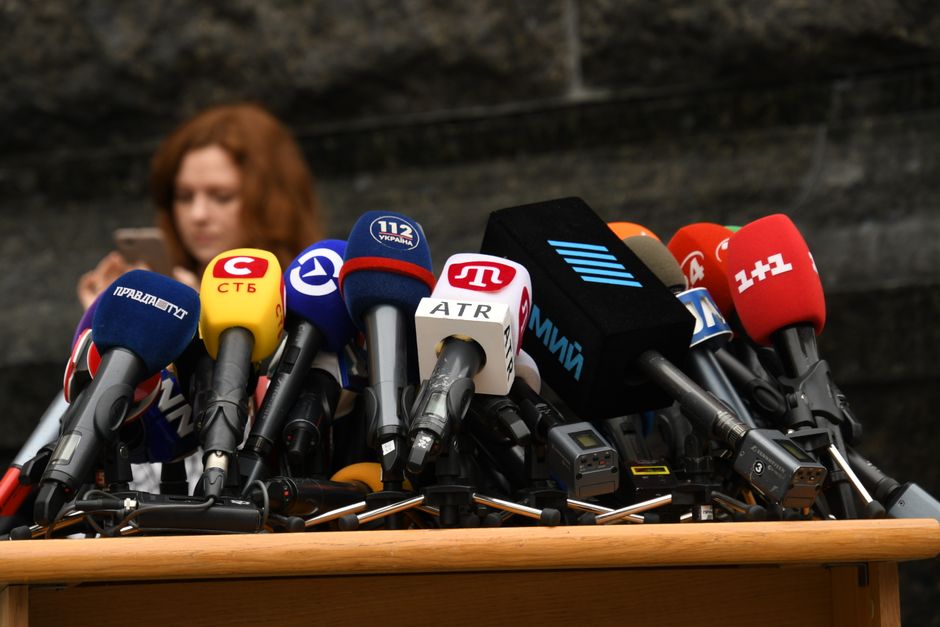
ESTA for journalists is one of the trickiest calls in US travel, because paid media work almost never fits the Visa Waiver Program. A holiday snap is fine. A filmed interview for a foreign outlet is not. The ESTA fee is about $40 and the permit lasts 2 years, yet neither buys you the right to report.
TL;DR: Personal travel runs fine on an ESTA ($40, valid 2 years, up to 90 days per entry). Working press coverage, filming, or interviews for a foreign employer usually need an I (media) visa instead. Guess wrong and CBP can deny entry and log a future bar.
| Quick Facts | Details |
|---|---|
| ESTA fee | About $40 per person ($40 since 30 September 2025, $40.27 in FY2026; adjusted yearly for inflation, so check esta.cbp.dhs.gov) |
| ESTA validity | 2 years, or until your passport expires |
| Max stay per entry | 90 days under the Visa Waiver Program |
| Where to apply | esta.cbp.dhs.gov (official CBP site) |
| Media work | Usually needs an I (media) visa, not ESTA |
| Apply before travel | At least 72 hours ahead |
The line between a tourist with a nice camera and a working reporter matters more than most travellers expect. If you are still weighing the permit itself, our ESTA vs US visa breakdown sets the wider scene before we zoom into press cases.

What counts as media or journalistic activity?
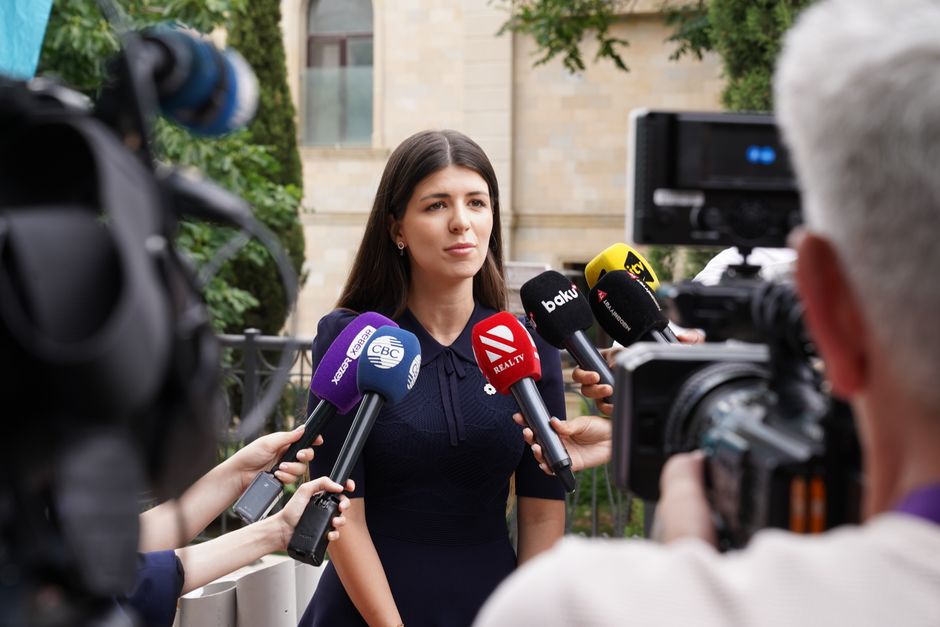
The US treats media work as any information-gathering for a foreign outlet: reporting, filming, recording, or interviewing tied to a news product, per the Department of State employment visa categories as of 2026. A camera in your bag proves nothing. The purpose behind the trip does. If your travel produces content for an employer or client abroad, you are likely in press territory.
Think about intent. A retired teacher photographing Yosemite for a personal blog is a tourist. A staff videographer filming that same park for a broadcaster back home is not. The State Department employment visa page lists the I category precisely for representatives of foreign press, radio, film, and print media.
Scope matters too. Editing, producing, and even fixers arranging shoots can fall under media activity. The other visa categories page spells out where these roles sit outside the visitor and waiver tracks.
Tourism versus paid reporting: where ESTA for journalists breaks down
ESTA for journalists works only when the trip is genuinely personal; the moment you report, film, or interview for a foreign employer, the Visa Waiver Program stops covering you, a long-standing rule that still applies in 2026. The $40 permit is built for tourism and short business visits, not for producing news.
Here is the split in plain terms. A German editor flying Frankfurt to Orlando for a theme-park holiday can travel on an ESTA. If that same editor lands to cover a hurricane for her paper, she needs an I visa. Same person, same passport, different purpose.
| Activity | ESTA / VWP | I (media) visa |
|---|---|---|
| Sightseeing, personal photos | Allowed | Not needed |
| Attending a conference as a delegate | Allowed (B-1 style) | Not needed |
| Covering that conference for a paper | Not allowed | Required |
| Paid filming for a foreign broadcaster | Not allowed | Required |
| Freelance reporting for an overseas client | Not allowed | Usually required |
The Visa Waiver Program overview sets out the tourism and short-business scope. Note the gap: it does not stretch to news production. Our business trip and conference guide shows what short business visits can and cannot include.
Freelancers, documentary crews, and the influencer gray area
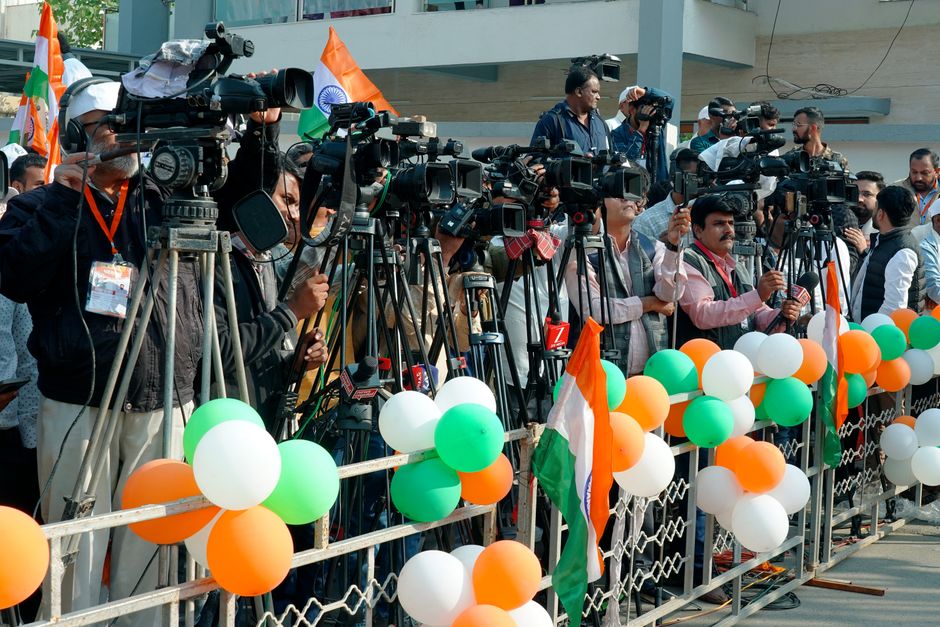
Freelancers reporting for a foreign outlet generally need an I visa even without a single employer, and full documentary crews almost always do, according to State Department guidance carried into 2026. The absence of a payslip does not turn press work into tourism.
Documentary teams are the clearest case. If a five-person crew lands in Newark to shoot a feature for a European channel, every working member typically needs the media visa. Equipment, permits, and scheduled shoots all signal production, not sightseeing.
Influencers and vloggers sit in a genuine gray zone. A lifestyle creator filming casual clips for their own channel may look like a tourist, yet monetised, sponsored, or commissioned content edges toward work. When a brand pays for the footage, the State Department visa FAQ is the right place to check before you book. If your case leans commercial, our what’s allowed for business travellers page helps you draw the line.
Pro tip: If you would still make the trip with zero footage, zero interviews, and zero deliverables, it is probably tourism. If the trip only exists to produce media, plan for the I visa.
Prefer not to wrestle with the eligibility question alone? We can review your travel purpose and point you to the correct route before you commit.
Attending versus covering: the conference trap
Attending a US conference as a delegate can sit within ESTA rules, but covering it as working press for a foreign outlet crosses into I visa territory, a distinction that still matters in 2026. The badge you wear at the door signals which side you are on.
Picture a tech reporter from Milan. If he attends a Las Vegas expo purely to learn and network, a short business visit may fit. If he files daily stories, records interviews on the show floor, and sends them to his editor, that is media work. The activity, not the venue, decides.
This trap catches careful people. Many assume a press pass is just easier access. In reality it can be the exact evidence that the trip is journalistic. The B-1/B-2 visitor visa page clarifies what short business visits actually cover, and it is narrower than most expect. For the ESTA angle on events, see our meeting and conference guide.
What happens if you misuse ESTA for journalists
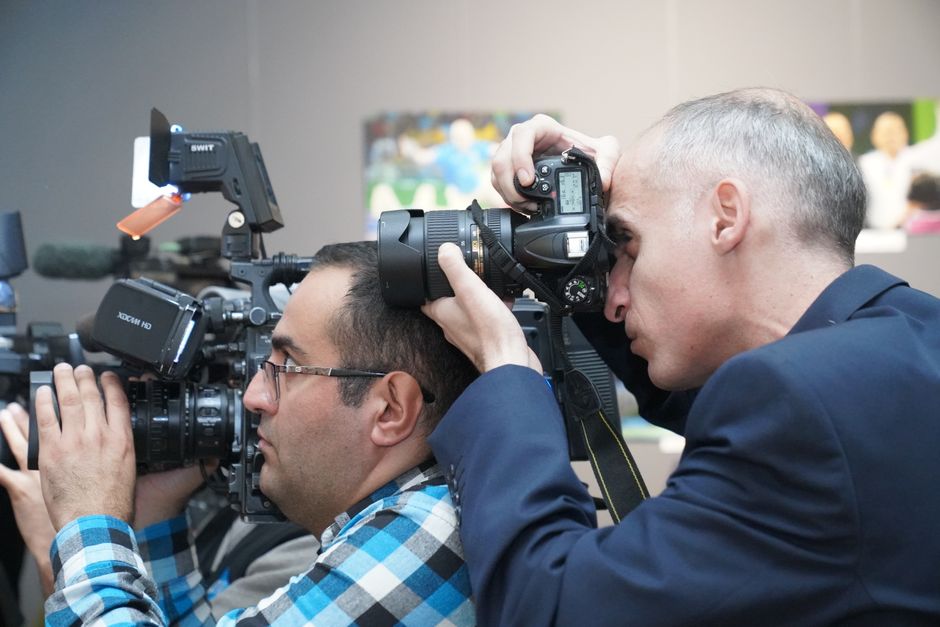
Using an ESTA for press work you should not do risks refused entry at the border, a cancelled permit, and a possible bar on future waiver travel, outcomes CBP officers can impose at the border. The consequences outlast the trip.
A refused entry is not a quiet turnaround. It is logged. That record can surface every time you apply for a future ESTA or visa, and it can push you off the Visa Waiver Program entirely, forcing you into full visa interviews for years. Our ESTA rejection reasons guide walks through how these flags build up.
Consider a London freelancer who lands at Newark to interview a startup founder, telling the officer she is on holiday. If secondary inspection uncovers scheduled interviews and a client brief, she can be sent home and blocked from the waiver route. Recovery usually means the B-1/B-2 or I visa track, covered in our post-rejection playbook. Honesty at the ESTA stage saves years of friction.
| Misuse scenario | Likely consequence (2026) |
|---|---|
| Filming a paid segment on a tourist ESTA | Denied entry, permit revoked |
| Misstating trip purpose to a CBP Officer | Future visa flags, possible bar |
| Repeat borderline press trips | Removal from VWP eligibility |
We are an independent assistance service, not a government agency; you can also apply directly at the official ESTA website.
How to decide ESTA or the I media visa route
Deciding between the two comes down to purpose, employer, and deliverables; when any of those point to news production for a foreign outlet, choose the I visa, following the State Department process in force in 2026. Work through it in order before you book flights.
- Define the purpose. Ask whether the trip exists to produce media. Pure holiday or personal content usually stays on the $40 ESTA; paid reporting does not.
- Check the employer and deliverables. If a foreign outlet pays you, commissions the work, or expects filed content, treat it as press activity needing the I visa.
- Confirm the category. Review the US visas hub to match your role to the I media visa, then check general entry rules on usa.gov.
- Apply the right way. For tourism, file at esta.cbp.dhs.gov at least 72 hours before travel. For media work, book a consular appointment and complete the I visa application.
Timing matters. The I visa runs through a US embassy or consulate, so it takes weeks, not the minutes an ESTA can take. Start early. If your case is genuinely personal, our first-time traveller guide, requirements page, and cost breakdown keep the ESTA path simple.
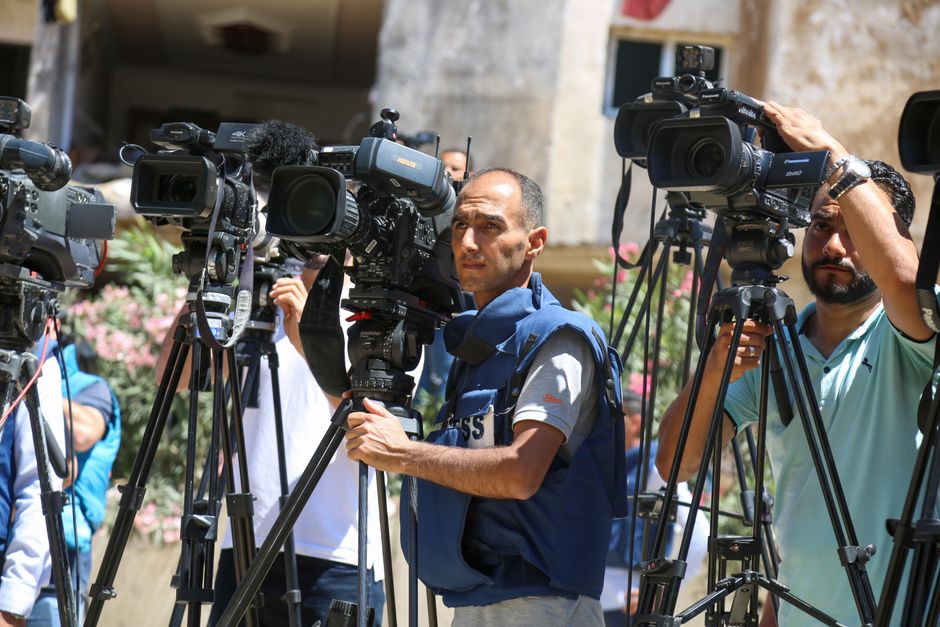
Applying for the I (media) visa route
The I visa is a nonimmigrant category for foreign media representatives, applied for at a US consulate with proof of your outlet, assignment, and role, under State Department rules current for 2026. There is no online-only shortcut like the ESTA. This is the point where ESTA for journalists gives way to a full consular process.

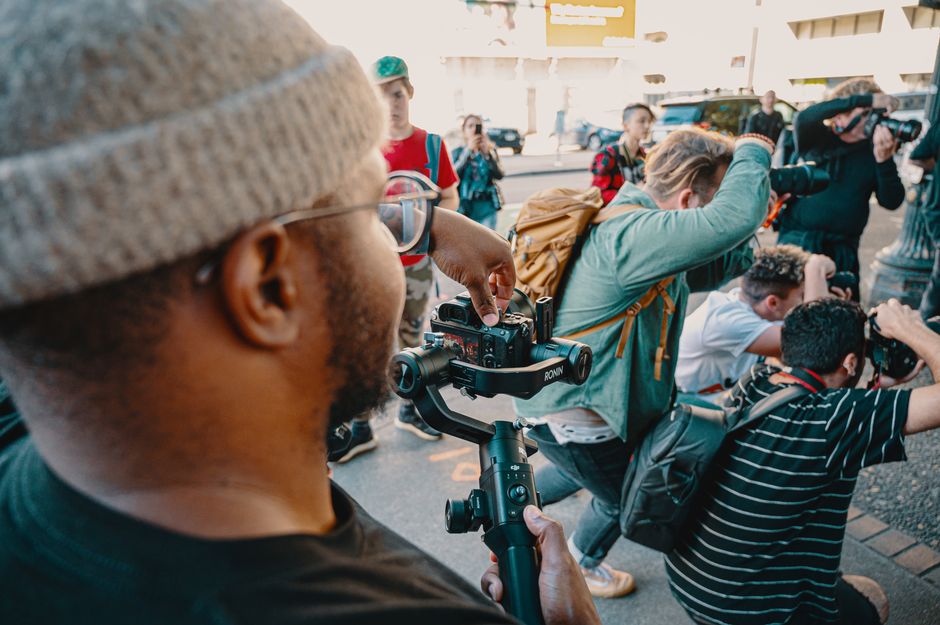
You will typically complete the DS-160 form, pay the visa fee, and attend an interview. Bring a letter from your outlet describing the assignment, your press credentials, and evidence you will return home. A Tokyo photojournalist covering a US election, for instance, would carry an assignment letter and editor contact details to the interview.
Because processing varies by post and season, apply well ahead. For validity questions on the ESTA side, see our 2-year validity guide, and for the entry record itself our I-94 record page. General passport help sits on usa.gov passports. When your personal travel and paid work overlap on one trip, sort the paperwork before you fly rather than at the gate.
Still unsure which lane fits your assignment? Tell us the purpose of your trip and we can check your ESTA eligibility and flag when the media visa is the safer choice.
Frequently Asked Questions
Can I use an ESTA for journalists doing paid reporting?
No. Paid reporting, filming, or interviews for a foreign outlet fall outside the Visa Waiver Program and usually need an I (media) visa. The $40 ESTA covers tourism and short business, not news production.
Is personal travel on an ESTA fine for a working journalist?
Yes. If a journalist visits purely for a holiday, with no assignment or deliverables, the ESTA works like any tourist trip: $40, valid 2 years, up to 90 days per entry.
Do freelancers need an I visa?
Usually. Freelancers reporting for a foreign outlet generally need the I media visa, even without a single employer, because the activity is journalistic work rather than tourism under 2026 State Department guidance.
What about vloggers and influencers?
It depends. Casual personal clips can look like tourism, but sponsored, commissioned, or monetised content edges toward work. When a brand pays for the footage, check with a consulate before travelling.
Can I attend a US conference on an ESTA?
Often yes, as a delegate under short business rules. Covering that same conference as working press for a foreign outlet changes the picture and typically requires an I media visa instead.
What happens if I misuse an ESTA for media work?
CBP can refuse entry, cancel your permit, and flag future travel. Repeated or serious cases can remove you from the Visa Waiver Program, forcing full visa interviews for years afterward.
How long does an I media visa take?
Longer than an ESTA. The I visa runs through a US consulate with a DS-160 form and interview, so plan for weeks. Apply as early as your assignment allows.
Where do I apply for each option?
Tourism ESTAs go through esta.cbp.dhs.gov, ideally 72 hours before travel. Media visas are filed at a US embassy or consulate. Never mix the two routes for the same purpose.
About the author: Megan Ellis is a US travel and ESTA specialist at USESTAvisa.com who has guided Visa Waiver Program travellers since 2018. She has spent years untangling the ESTA for journalists question so press travellers reach the border with the right permit in hand.
Last updated: 2026-07-08 — verified against official US government guidance.