



Few things unsettle a parent more than a child’s travel authorization being denied just before a trip. An ESTA children refused message can feel alarming, but it is usually fixable once you understand the cause. This 2026 guide explains why a child’s ESTA may be refused, what it means for the trip, the most common reasons, and exactly what to do next so your family still reaches the United States. The reassuring part comes down to one fact: each application stands alone. A denial for one child leaves the parents and siblings untouched, so the problem is almost always isolated rather than a trip-ending disaster.
What does an ESTA children refused result mean?
A refused result means the child’s application was denied, so they receive no authorization and cannot board, even though the $40 charge still applies for processing the request. So this is not a delay you can travel on. You must correct and reapply, or pursue a visa for that child. Parents and siblings, meanwhile, may still be approved. Our denied ESTA guide walks through the immediate steps after a refusal.
Why might a child’s ESTA be refused?
A turned-down application usually stems from a data error, a mismatch with the passport, restricted-country travel recorded for the family, or, rarely, an eligibility issue — not anything about the child’s age. Most of these are correctable. A simple typo in a long, hyphenated name is a frequent culprit. Pin down the exact reason first. Our common rejection reasons guide lists each trigger so you can address it.
| Refusal cause | Typical fix |
|---|---|
| Name or data error | Correct and reapply |
| Passport mismatch | Re-check passport, reapply |
| Non-chip passport | Obtain biometric passport |
| Restricted-country travel | Apply for a visa |
Data errors and name mismatches
Most refused cases trace back to avoidable mistakes, such as a mistyped passport number, a wrong date of birth, or a name that does not match the document exactly. Check every field against the passport before paying. Long or hyphenated names trip up many parents. Slow down on each entry. Our name mismatch fix guide explains how to correct such errors with a fresh application.
Does a non-chip passport cause refusal?
Yes, a refusal often results from a passport without an electronic chip, because the Visa Waiver Program requires a biometric document for every traveler, including children and infants. Look for the chip symbol before applying. An older child’s booklet may need replacing. Infants, too, need their own biometric passport. Our newborn passport timeline helps parents obtain a compliant document in time.


Is the fee refunded after a refusal?
No, a denial brings no refund, because the $40 charge pays for processing the request rather than guaranteeing approval, exactly as it does for adults. Accuracy before paying protects your money. A corrected reapplication is often successful, so fixing the cause — not chasing a refund — is the priority. Our official ESTA fee guide explains the non-refundable charge in detail.
Can you reapply after a child is refused?
Yes, when a child is turned down you can reapply if the cause was a correctable error, although you must pay the $40 again and wait for a fresh decision. If the child is genuinely ineligible, though, a second try will fail too. Confirm the true cause first. A corrected submission usually succeeds within minutes. Our rejection reasons guide helps you decide between reapplying and switching to a visa.


When does a child need a visa instead?
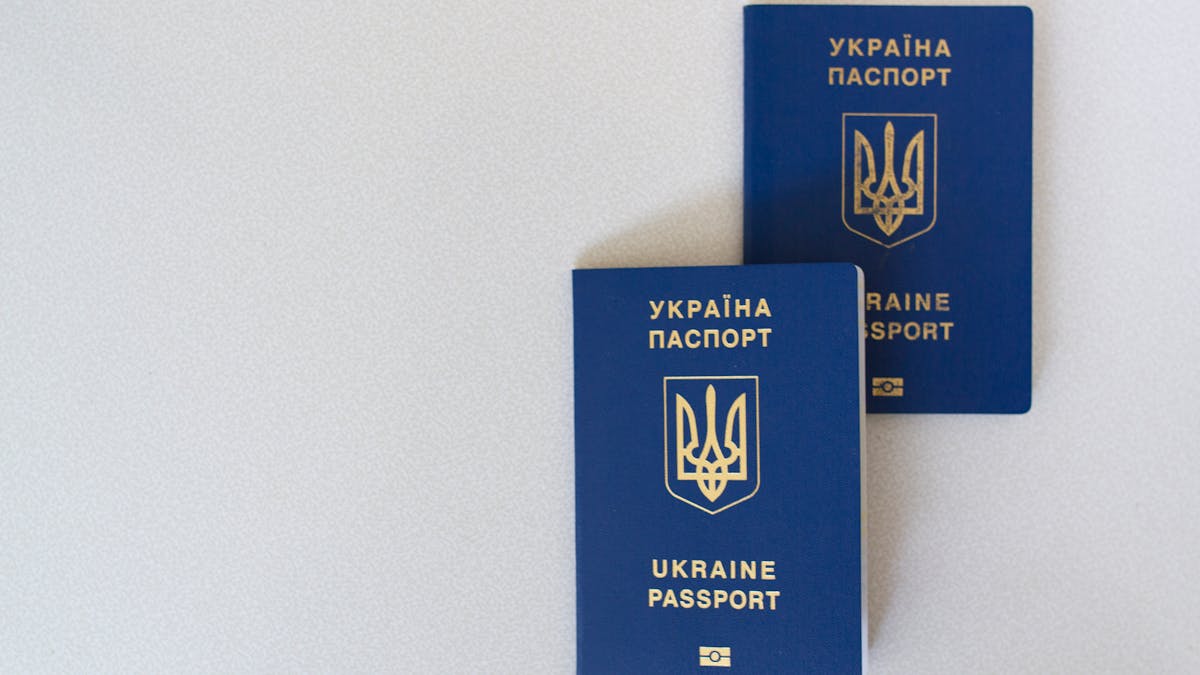
A denial becomes a visa matter when the child is genuinely ineligible — for example after travel to a restricted country, or when a stay exceeds 90 days — which calls for a B-2 visa instead. These situations rule out the program. A visa means an embassy appointment and more paperwork. Plan ahead if that route is unavoidable. Our ESTA versus B1/B2 visa guide explains when the visa route is the only option.
What to do right after a refusal
The moment a denial lands, review the application against the passport, spot any error, correct it, and reapply — or arrange a visa if the child is ineligible. Never travel without a valid authorization for the child. Act early; visa appointments take weeks. The approvals held by parents and siblings stay intact regardless. Our minor children guide covers the documents a child needs alongside the authorization.
How to avoid a child’s refusal
To prevent a refusal, apply early through the official portal, confirm each passport is biometric and valid, and enter every detail exactly as printed. Applying at least 72 hours before travel leaves time to fix any problem. Never leave a submission to the last minute, especially when several children go in together. Your single biggest safeguard is simple: enough time to correct an error before the flight. Our family data requirements guide lists every field, and the application guide highlights the fields parents get wrong.

After a successful reapplication
Once a corrected application replaces the earlier denial, the child receives a normal two-year, multiple-entry authorization — exactly the same as any approved traveler under the program. The previous refusal no longer touches the trip. The child can travel freely and re-enter the United States for two full years. The denial simply disappears once a valid approval is in place. Our validity guide explains the two-year window, and the airport security guide covers the border.
A real-world example: a correctable refusal
Consider a family whose youngest child is refused over a single transposed passport digit, while both parents and an older sibling are approved without issue. The parent reviews the entry, spots the wrong digit, submits a fresh application with the correct number, pays the $40 again, and gets approval within minutes. The whole family then travels as planned. The first fee is gone, which is exactly why careful checking up front saves money. The lesson: most children’s refusals are minor, fixable errors rather than genuine eligibility problems. Our families and children overview walks through applying for each child correctly.
Staying calm and acting quickly
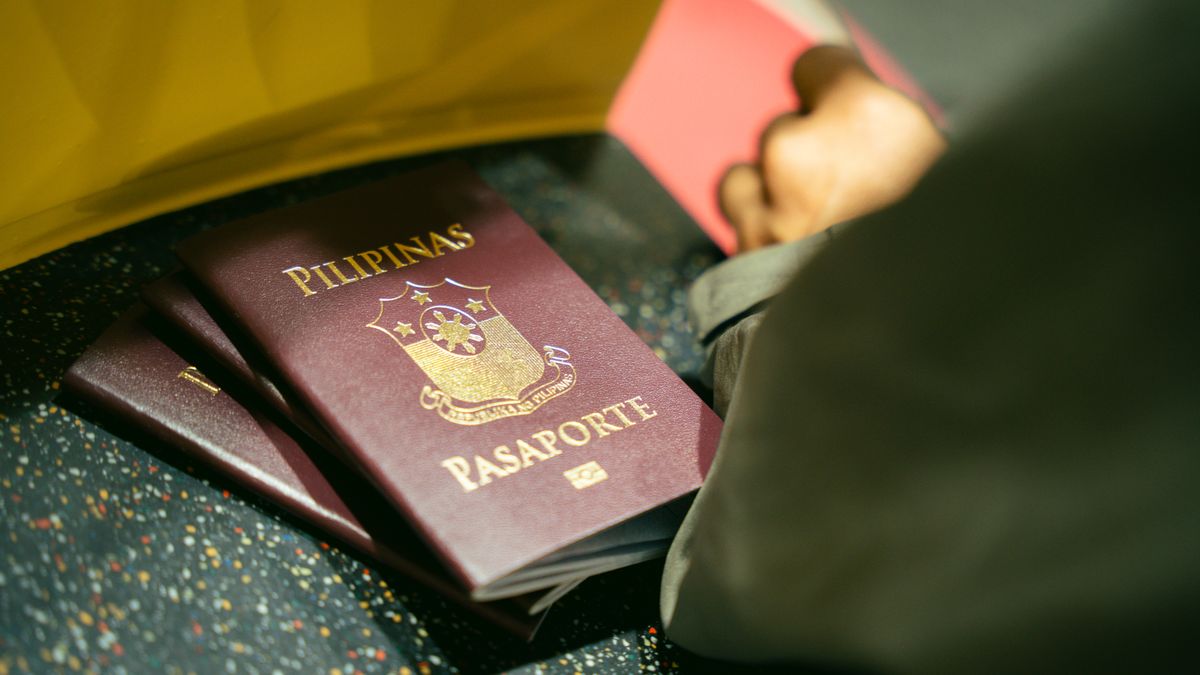
The most important response to a refusal is to stay calm and act quickly, because most denials are correctable and the authorizations held by everyone else remain valid. Panic only breeds rushed, duplicate applications that charge the fee twice. Work methodically: check the passport details, identify the cause, and respond to it. A measured approach clears the vast majority of cases well before departure. With the 72-hour buffer in place, there is usually ample time to correct an error or start a visa application. Our denied ESTA guide provides a clear, step-by-step response for worried parents.
Frequently asked questions about ESTA children refused
Why was my child’s ESTA refused?
Most refusals result from a data error, a name or passport mismatch, a non-chip passport, or restricted-country travel; genuine ineligibility for a child is relatively rare.
Can I reapply after my child’s ESTA is refused?
Yes, if the cause was a correctable error you can reapply and pay the fee again; if the child is legally ineligible, you must apply for a B-2 visa instead.
Is the fee refunded if my child is refused?
No, the 40 USD fee is non-refundable after a refusal, because it pays for processing the request rather than guaranteeing approval, exactly as for adults.
Does a refusal affect the rest of the family?
No, each application is individual, so one child’s refusal does not affect the approved authorizations of parents or siblings travelling together.
Can a non-chip passport cause my child’s refusal?
Yes, the Visa Waiver Program requires a biometric passport with an electronic chip for every child, so a non-chip passport leads to a refusal until it is replaced.
When does my child need a visa instead of an ESTA?
A child needs a B-2 visa when genuinely ineligible, for example after restricted-country travel or for stays over 90 days, study, or other non-tourism purposes.
How can I avoid my child’s ESTA being refused?
Apply early through the official portal, confirm each child’s passport is biometric and valid, and enter every detail exactly as printed to avoid the most common errors that lead to a refusal.
Sources: U.S. Customs and Border Protection — Official ESTA information; Official ESTA application portal (CBP/DHS); U.S. Department of State — Visa Waiver Program; Department of Homeland Security — VWP.
Last updated: 5 June 2026