
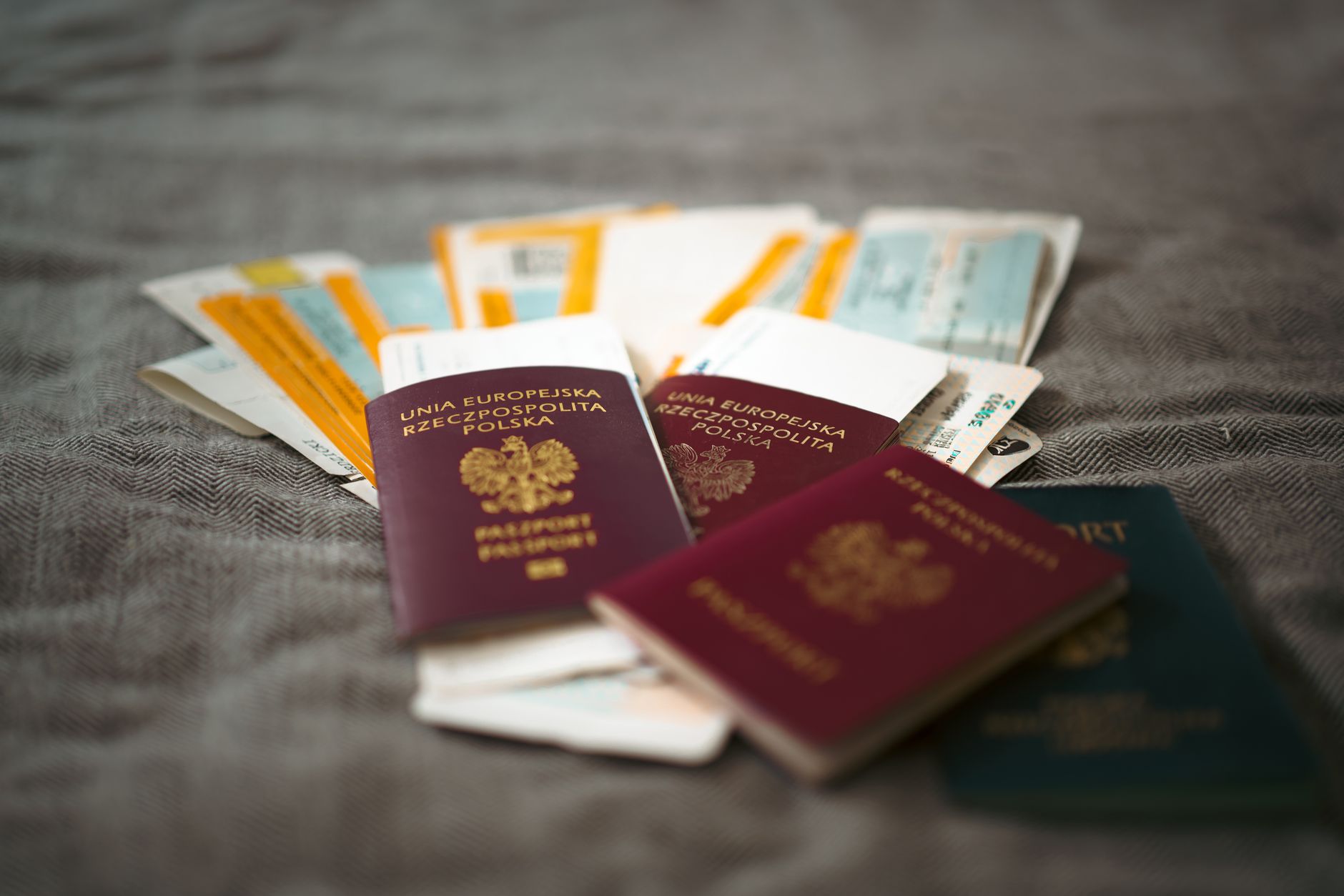
If you already hold a current US visa, you do not need an ESTA. You travel on the visa for the purpose it was issued. The ESTA and a visa are two separate doors into the United States, and you only ever use one for a given trip. Below you will find why the visa replaces the authorization, the few cases where you would still apply, and how to pick the right document.
TL;DR
- A current US visa replaces the ESTA — travel on the visa, not an authorization.
- The ESTA exists only for visa-free travel under the VWP.
- You cannot use both for one entry; the visa takes priority when you hold it.
- You would need an ESTA only if your visa has expired or does not fit the trip.
- Wondering whether you need an ESTA with a US visa? For a valid one, no.
| Quick Facts | Detail |
|---|---|
| Valid visa held? | No ESTA needed — use the visa |
| ESTA is for | Visa-free VWP travel only |
| Visa run out? | VWP citizens may apply for an ESTA |
| Use both at once? | No — one document per entry |
| ESTA fee (2026) | $40 |
New to how these systems relate? Our ESTA versus US visa comparison and the wider ESTA requirements guide set the scene.
Do you need an ESTA if you have a US visa?
No. A valid US visa already authorizes your travel, so you show it at the border and skip the ESTA entirely, exactly as CBP instructs Visa Waiver and visa holders. The visa was issued for a specific purpose, and you enter under it.
Think of the ESTA as the visa-free lane and a visa as the stamped-in-passport lane. You choose one, not both. CBP is explicit that people holding a live visa travel on it and never file an authorization, as its VWP and ESTA FAQ spells out. Curious about the wider eligibility rules? Read who needs an ESTA in 2026.

Why a visa and an ESTA do not mix
A visa and an ESTA serve different legal routes: the ESTA is a light-touch authorization for short visa-free visits, while a visa is a formal permission stamped in your passport after an interview — so holding the visa makes the authorization unnecessary. Layering both would be redundant and is not how the system works.
The two also differ in weight. An authorization is approved online within hours and lasts two years; a visa follows a full application, a fee, and usually an interview, and can run for a decade. When you already carry the stronger document, the lighter one adds nothing. Compare their mechanics in our ESTA versus B1/B2 explainer, and the two-year rules in our validity guide.
Pro tip: Check your visa’s expiry date before every trip. A visa that lapses between visits flips you back to needing an authorization, if your nationality still qualifies for visa-free entry.
Which visa types let you skip the ESTA
Any valid US visa in the right category lets you skip the ESTA — a B1/B2 visitor visa, an F-1 student visa, an H-1B work visa, or a J-1 exchange visa all authorize entry on their own, provided you travel for the purpose each was granted. The visa in your passport is your entry document.
| Visa | Purpose | ESTA needed? |
|---|---|---|
| B1/B2 | Business or tourism | No |
| F-1 | Study | No |
| H-1B | Skilled work | No |
| J-1 | Exchange visitor | No |
Take a German engineer on an H-1B visa flying to San Jose for work. Germany is in the VWP, so she could use an authorization for tourism — but for this job she travels on her H-1B, because the visa matches her purpose. The official visitor categories sit on the State Department visitor visa page.

When you would still need an ESTA
An ESTA becomes necessary again in two situations: your US visa has run out, or the visa does not cover your trip’s purpose and you are a citizen of a VWP country making a short visit instead. In both cases the visa route is closed, and the visa-free lane reopens.
- Expired visa. If the visa has lapsed and you qualify for visa-free entry, request an authorization.
- Wrong purpose. A student visa does not cover a pure tourist trip years later; a short holiday may run on an authorization instead.
- No visa at all. A visa-free citizen who never held a visa uses the authorization from the start.
Each of these assumes your passport is from a Visa Waiver country. If it is not, an expired visa means a fresh visa, not an authorization — check the split in our ESTA versus visa guide. To apply when the authorization is the right route, our application guide covers every field.
Not sure which document your trip calls for? You can enter on your visa or lodge an authorization yourself, or ask our team to check your visa’s validity and purpose against your plans first. We are an independent assistance service, not a government agency, so we point you to the correct route rather than issue any visa.
VWP citizens who also hold a US visa
A Visa Waiver citizen who also holds a valid US visa can travel on either document, but the wiser choice is the visa when the trip matches its purpose, since it usually allows longer stays and wider activities than a 90-day authorization. Holding both is common and perfectly fine.
Say a British consultant has both an ESTA and a valid B1 visa. For a quick two-day meeting she might use the authorization; for a longer contract she travels on the visa. The key is to enter under one document and be consistent about the purpose. If you carry two passports as well, our two-passport guide untangles which to present, and green-card holders should read our permanent residents guide.

Costs and practicalities
Cost rarely decides this: if you already hold a valid visa there is nothing more to pay, while a new authorization costs $40.27 and a fresh visa starts at $185 in application fees (a separate visa integrity fee may also apply) — so travelers with a current visa simply use it and spend nothing extra. The math only matters when a visa has expired.
The ESTA fee rose to $40 on 30 September 2025, up from $21, and from 1 January 2026 is $40.27; an authorization is valid for up to two years or until the passport expires, per the CBP ESTA page. A visa costs far more but lasts far longer. When both are valid, you have already paid for the visa, so there is no reason to buy an authorization on top. Check current pricing on our ESTA cost page and how many trips each allows in our multiple-entry guide.

Before you book, glance at your passport: is your visa still valid, and does it fit the reason for this trip? If yes, you are set and can travel on it. If the visa has expired and your passport belongs to a Visa Waiver country, switch to an authorization and apply well ahead. A two-minute check now prevents a scramble at the airport.
Bottom line
A US visa that is still valid is your entry document, so you enter on it for its purpose and skip the authorization completely. The ESTA only comes back into play if the visa expires or stops matching the trip and you qualify for the visa-free route.
Confirm your route with our ESTA requirements guide, and if you do need to apply, walk through it with our application guide or verify an existing one via our status-check guide. Official rules stay on the CBP Visa Waiver Program page.
Frequently asked questions
Do I need an ESTA if I already have a US visa?
No. A valid visa authorizes your entry, so you enter on it and do not apply for an ESTA. The authorization is only for visa-free travel under the VWP.
Can I use both an ESTA and a visa?
Not for the same entry. You enter under one document, so a current visa that fits your trip is the one you use, and the ESTA is unnecessary.
My US visa expired — do I now need an ESTA?
With a passport from a Visa Waiver country and a short visit, yes, request an ESTA. If your country is not in the program, you need a new visa instead.
Does a student or work visa remove the need for an ESTA?
Yes. An F-1, H-1B, J-1, or similar valid visa authorizes entry on its own. You enter on that visa for its purpose and do not need a separate authorization.
I have a visa but want a quick holiday — which do I use?
If your visa covers tourism, such as a B2, use it. If it does not and your passport qualifies for the Visa Waiver Program, a short holiday can run on an ESTA instead.
Is an ESTA the same as a visa?
No. An ESTA is a light online authorization for short visa-free visits and is not a visa. It cannot replace a visa where US law requires one for your purpose.
Do green-card holders need an ESTA or a visa?
Neither. Lawful permanent residents re-enter the US on their green card, not an ESTA or a visa. The green card is their travel and residence document.