The proposed ESTA social media requirements have been one of the biggest talking points for US-bound travelers in 2026. In late 2025, the US government proposed requiring Visa Waiver Program travelers to provide social media identifiers as part of the ESTA application. Here’s what we know as of March 2026 and how it may affect your next trip to the USA.
The US Embassy in France confirmed in early 2026 that the proposed changes are still under review and have NOT taken effect yet. Current ESTA requirements remain in place. However, travelers should stay informed about potential changes.
Current Status of ESTA Social Media Requirements (March 2026)
| Aspect | Status (March 2026) |
|---|---|
| Social media identifiers on ESTA | Proposed — NOT yet required |
| Implementation date | No earlier than mid-2026 (if approved) |
| Current ESTA form | No social media questions |
| Visa applications (DS-160) | Social media already optional since 2019 |
What Was Proposed?
In December 2025, the US Department of Homeland Security published a Federal Register notice proposing to revise the ESTA application to include:
- Social media platform identifiers (usernames/handles)
- Additional family member information
- Employment history details
This proposal drew significant attention from privacy advocates, the travel industry, and international media, with concerns about its impact on tourism.
How This Might Affect Travelers

- Tip 1: As of March 2026, NO changes have been implemented. Apply for ESTA as normal using the current form.
- Tip 2: The existing DS-160 visa form has included an optional social media question since 2019 — the proposed ESTA change would extend this to VWP travelers.
- Tip 3: If implemented, refusal to provide social media information could affect your ESTA application, though final rules haven’t been set.
- Tip 4: Review your social media profiles before any US travel — even without the requirement, CBP officers can ask about social media at the border. Visit our guide on common ESTA refusal reasons for more information.
- Tip 5: Industry experts from CNN reported that the social media proposal could reduce US tourism — watch for updates on potential modifications.
Understanding US Immigration Social Media Screening
The concept of social media screening for immigration purposes is not entirely new. Since 2019, the US Department of State has required visa applicants to provide social media usernames as part of the DS-160 visa application form. This requirement applies to most nonimmigrant visa categories and collects information about accounts on platforms including Facebook, Instagram, Twitter/X, LinkedIn, YouTube, and many others.
The rationale behind social media screening is national security. US Customs and Border Protection (CBP) and other agencies use social media information as one of many tools to identify potential security threats, verify the identity of travelers, and confirm the stated purpose of travel. The information is cross-referenced with other intelligence databases to flag any concerning patterns or associations.
For ESTA applicants specifically, the Visa Waiver Program has historically relied on automated screening through databases rather than social media review. The discussion around extending social media requirements to ESTA reflects the broader trend toward more comprehensive digital vetting of international travelers entering the United States.
It is important to understand that even without a formal social media requirement on the ESTA form, CBP officers at US ports of entry already have the authority to ask travelers about their social media presence. While travelers are not legally required to provide passwords, refusing to answer questions about social media accounts can raise suspicion and potentially lead to additional screening or denied entry.
How Social Media Screening Works in Practice
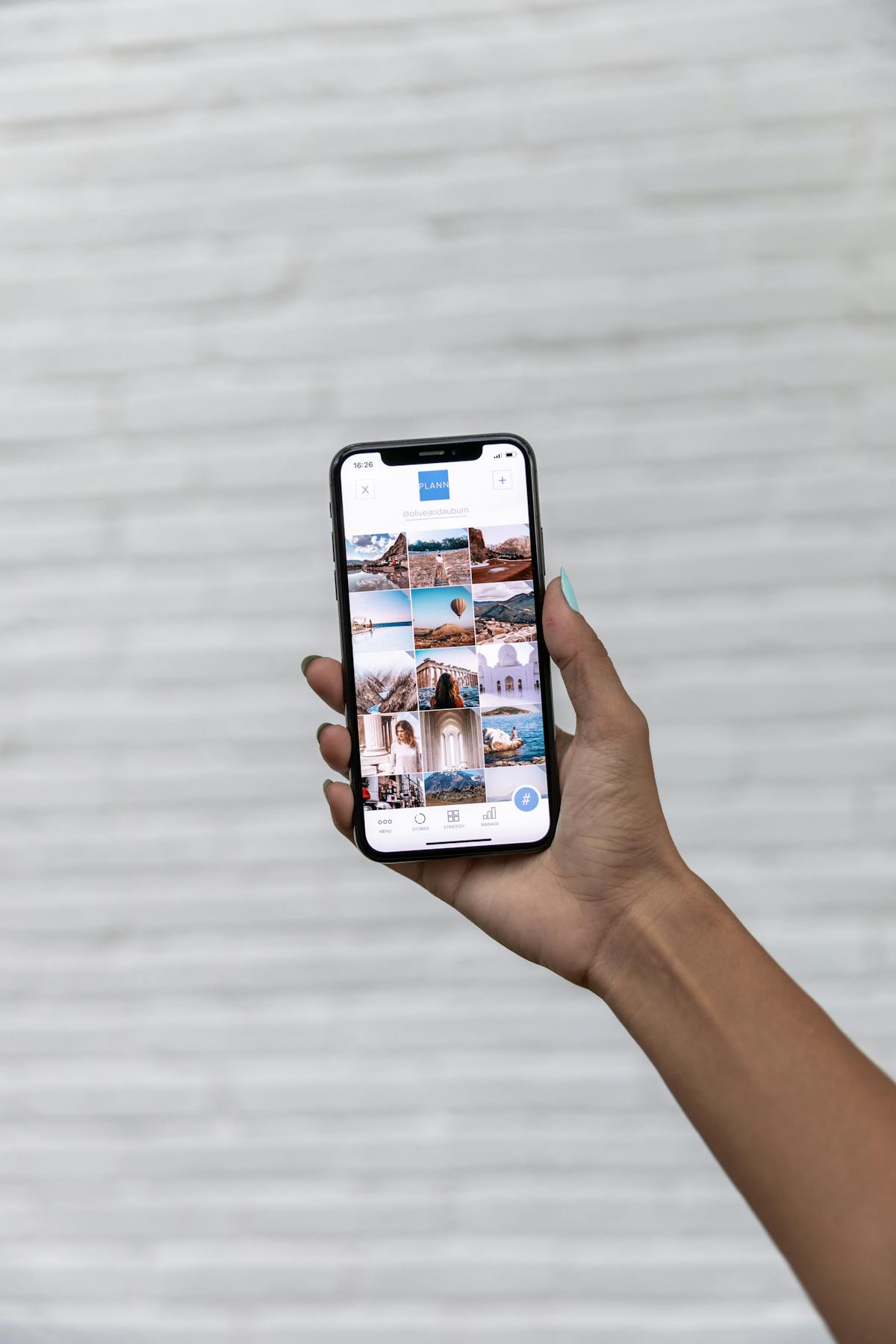
When social media information is collected as part of an immigration application, the review process involves both automated and manual components. Automated systems scan for keywords, associations with known security threats, and patterns that may indicate fraudulent applications. Manual review is typically reserved for cases flagged by automated screening.
The platforms currently listed on the DS-160 visa application form include major social networks such as Facebook, Instagram, Twitter/X, LinkedIn, Snapchat, YouTube, Reddit, Tumblr, and Pinterest. The list also includes regional platforms popular in specific countries, such as VK (Russia), Weibo (China), and others. Applicants are asked to provide their usernames but not their passwords.
Privacy advocates have raised concerns about the scope and effectiveness of social media screening. Critics argue that the vast amount of data generated makes meaningful review difficult and that the process may disproportionately affect travelers from certain regions or with certain political views. Supporters counter that social media provides valuable open-source intelligence that has helped identify genuine security threats.
For travelers concerned about social media screening, the best advice is straightforward: maintain your online presence as you normally would and do not attempt to delete accounts or posts before applying. Sudden changes to social media profiles can itself be flagged as suspicious behavior. If you have nothing to hide, the screening process should not present any obstacles to your travel authorization.
Preparing for Potential Social Media Requirements on ESTA

While social media disclosure is not currently required on the ESTA application, travelers who want to be prepared for potential future changes can take several proactive steps. Being organized about your digital presence will make any future application process smoother and less stressful.
First, make a list of all social media accounts you currently use or have used in the past five years. Include the platform name and your username for each account. This information is typically what immigration forms request, so having it readily available saves time and reduces the risk of errors.
Second, review your social media profiles for any content that could be misinterpreted or taken out of context. While having political opinions or engaging in online debates is perfectly normal, posts that could appear threatening or that discuss illegal activities may attract unwanted attention during the screening process.
Third, ensure your social media profiles are consistent with the information provided on your travel application. If your ESTA application states that you are visiting the US for tourism but your social media posts discuss job interviews in New York, this inconsistency could cause problems at the border.
Finally, remember that privacy settings on social media platforms do not prevent government agencies from accessing your posts through legal channels. While your posts may not be visible to the general public, immigration authorities can request access to social media data through established legal processes when security concerns arise.
Social Media and ESTA: What Other Countries Are Doing
The United States is not alone in exploring social media screening for travel authorization. Several other countries and regions have implemented or are considering similar measures as part of their border security strategies. Understanding this global trend helps put the US approach in context.
The European Union’s upcoming European Travel Information and Authorization System (ETIAS) has also discussed the possibility of including social media information in its screening process. Australia’s electronic travel authorization system conducts automated background checks that may include publicly available online information. Canada’s eTA system similarly uses data analytics as part of its risk assessment process.
The trend toward digital screening reflects the reality that social media has become an integral part of modern life and provides valuable information about travelers’ backgrounds and intentions. As technology evolves and artificial intelligence becomes more sophisticated, the role of social media in immigration screening is likely to grow rather than diminish.
For frequent international travelers, maintaining a clean and consistent online presence is increasingly becoming as important as keeping your passport up to date. While social media screening should not discourage legitimate travel, being aware of how your digital footprint may be evaluated by immigration authorities worldwide is simply good practice in the modern travel landscape.
Frequently Asked Questions: ESTA Social Media 2026
Do I need to provide social media accounts for ESTA in 2026?
No, not as of March 2026. The proposal to require social media identifiers on ESTA applications is still under review. Current ESTA applications do not ask for social media information.
When will the social media requirement take effect?
The earliest possible implementation is mid-2026, but this depends on the public comment period and final rulemaking process. It may be delayed further or modified.
Which social media platforms would be included?
The proposal referenced major platforms including Facebook, Instagram, X (Twitter), LinkedIn, TikTok, and others. If implemented, travelers would be asked to list their usernames on platforms they use.
Can my ESTA be denied for my social media content?
Currently, social media is not part of the ESTA process. However, CBP officers already have the authority to ask about social media at the US border. Content deemed threatening or inconsistent with travel purposes could potentially affect admission.
Should I delete my social media before applying for ESTA?
No, deleting social media is not necessary or recommended. If the requirement is implemented, providing false information or hiding accounts could be more problematic than having normal social media activity.
Does this affect my current ESTA?
No. Existing approved ESTAs remain valid regardless of any future changes. New requirements would only apply to new applications submitted after the rules take effect.
Where can I find official updates on ESTA changes?
Monitor the official CBP ESTA website and the Federal Register for the latest updates on proposed rule changes.
Last updated: March 2026. Status verified against US Embassy and Federal Register sources.


